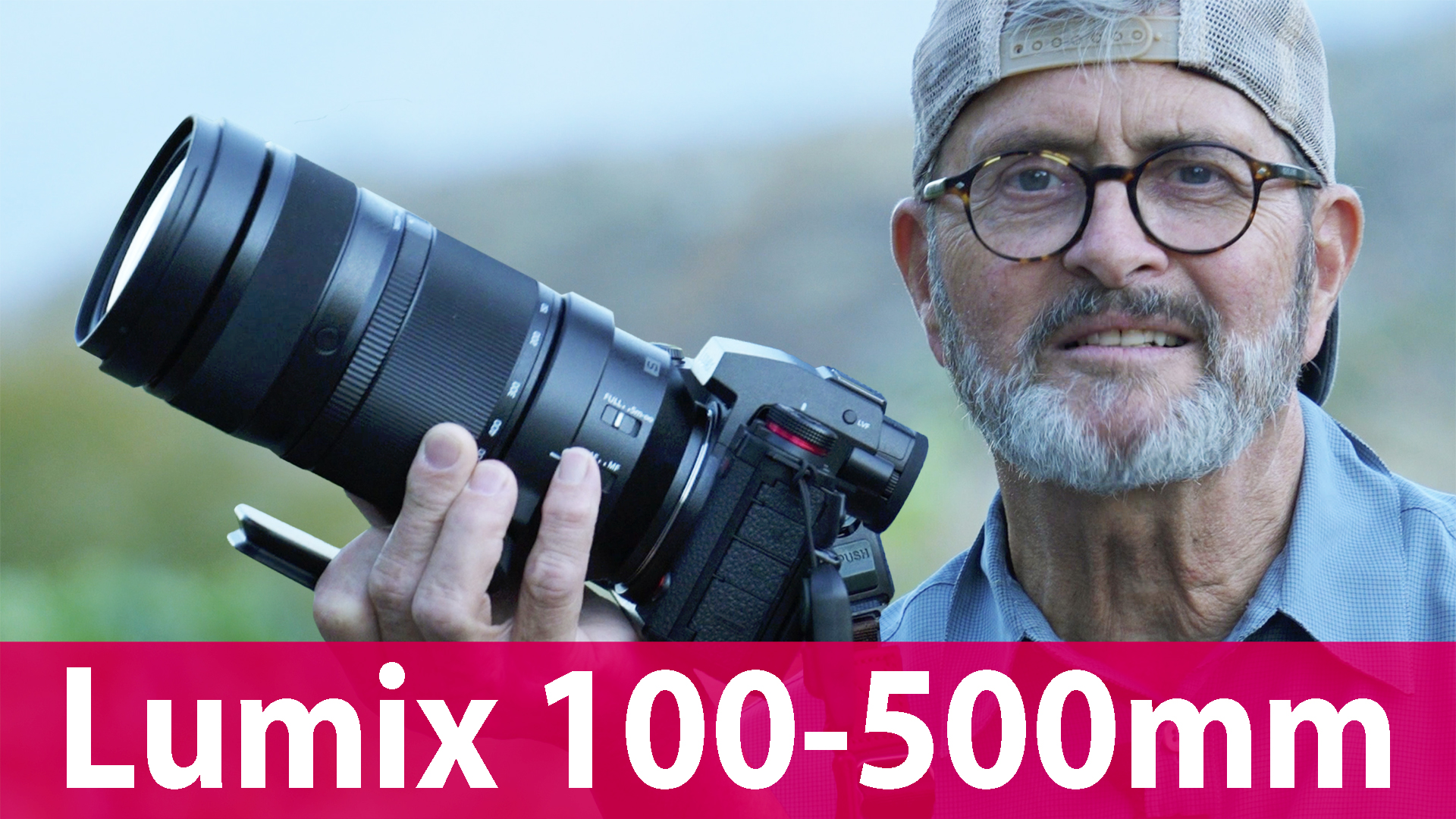
I know you’re going to be interested in this. It’s the longest zoom that Lumix has ever made. A 100-500mm f/5-7.1 telephoto lens. Super compact! Let’s take a look at it.
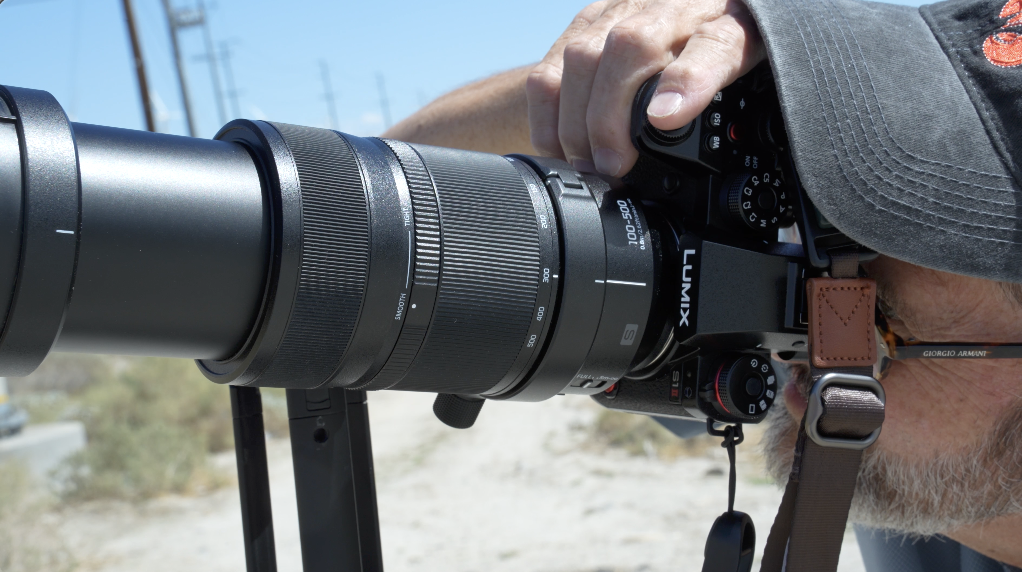
So, let’s talk about the ergonomics of this camera and the lens. The S1 II is a an incredible camera. 24 megapixel sensor. 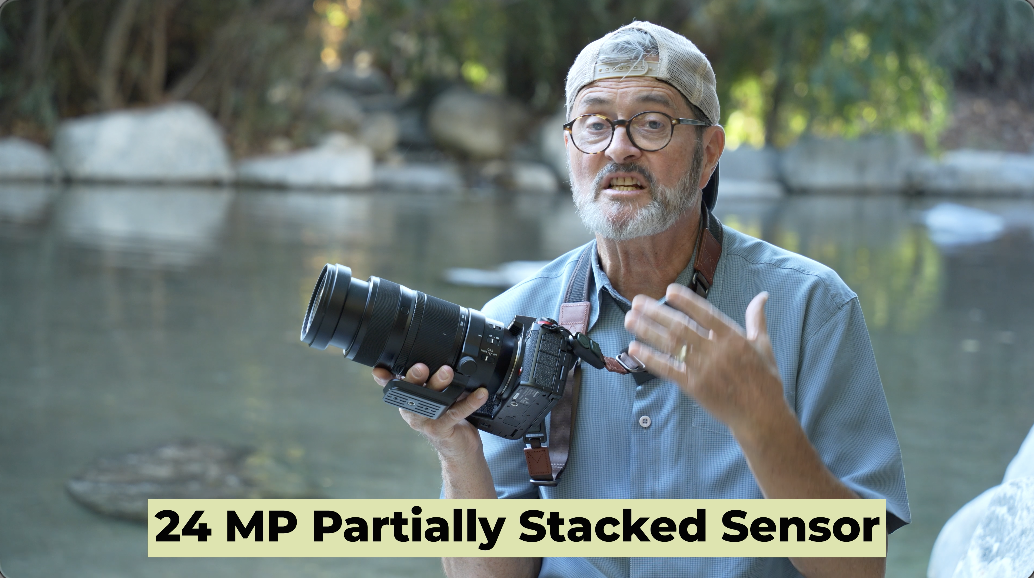
It’s a partially stacked sensor, so it’s going to give you quick readouts when you’re doing video, which is going to really solve some of the jello kind of rolling shutter issues. It gives you so many codecs. It’s just incredible. As a still, as a videographer, I love this camera. I wish it was a little bigger than 24 megapixels, but that’s a different camera. That’s a different story. 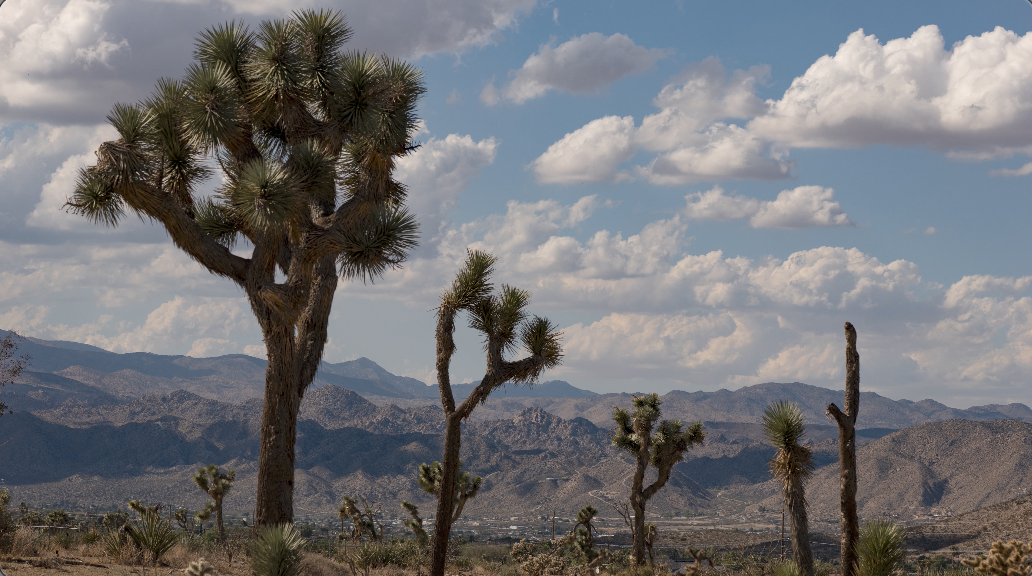
But it is 24 megapixels, which gives you a beautiful image. Always have loved Panasonic’s color. I just love the way this camera is set up as far as the buttons and dials are all right here. 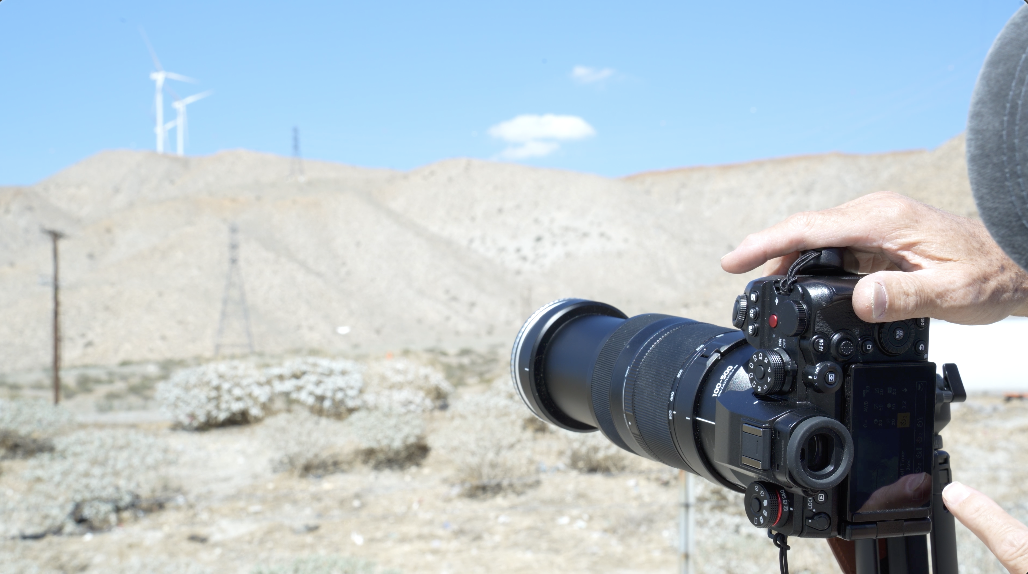
I can get to them very quickly.I’m not having to search through menus to make things happen. I don’t have to hit the Q button hardly ever. It even gives you five different options, C options. I set C1 up to be able to shoot animals.
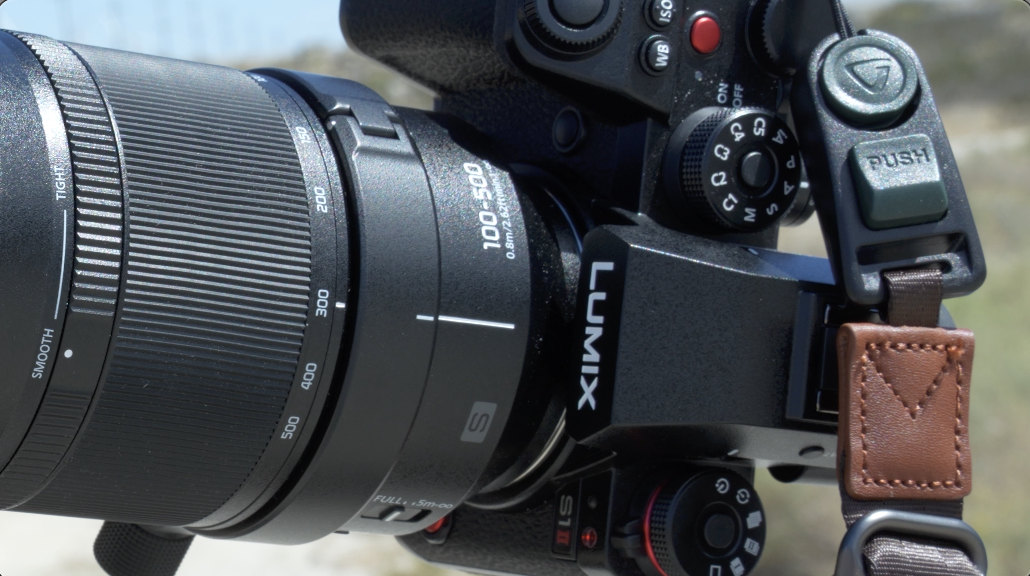
Of course, shooting a 100-500mm lens, this is the way I do it. I set auto ISO, manual 3200, and then I put my aperture like a 2.8 or whatever is the widest open one. This, in this case is 5.6. So there’s a quick look at how I set up that C1 for me. So I can just switch it. I can just quickly switch to that and go. But that’s the camera. There’s really a lot of great things we can say about this camera and we will in the future.
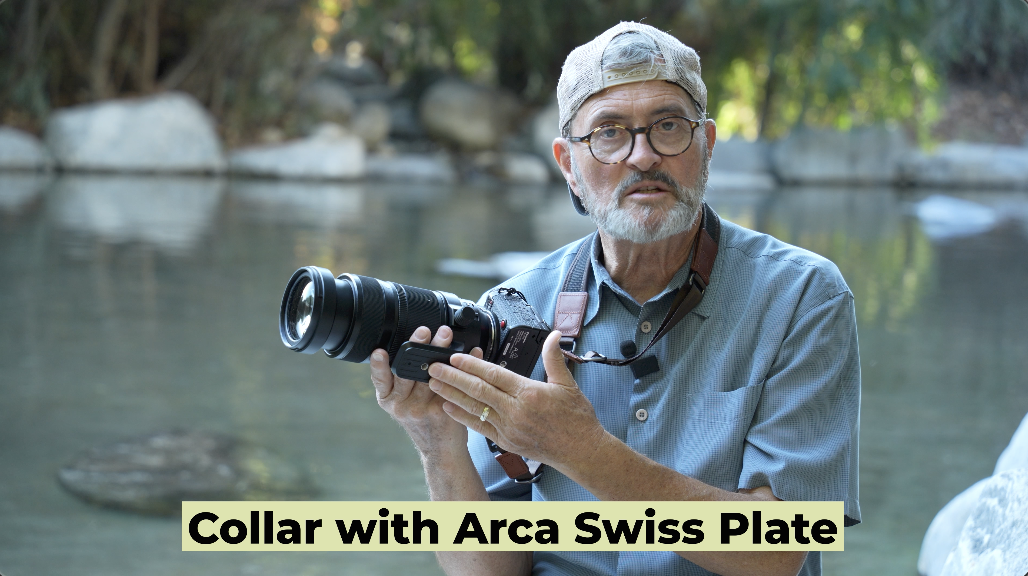
But now for the lens, there’s several things going on here on the lens. We’ve got a collar with an Arca-Swiss plate on the bottom of it. So you can put this right onto the tripod, which I love for a lens of this size, even though it is very small and compact. I think that’s really a necessity.
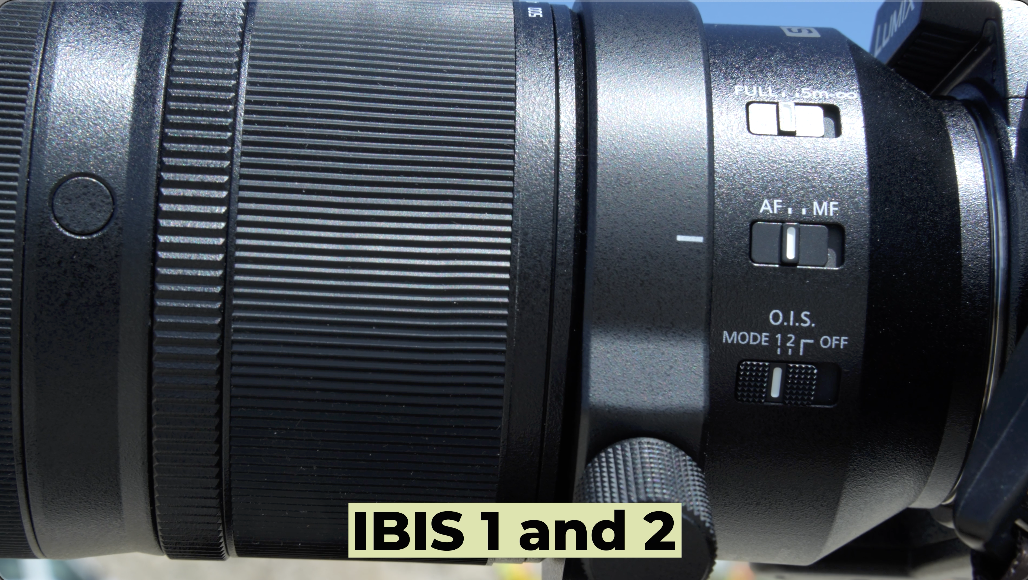
We have our IBIS on the bottom. IBIS, got IBIS 1, which is really if you’re hand holding, IBIS 2 if you’re going to be panning and moving. And then you can turn it off if you want.
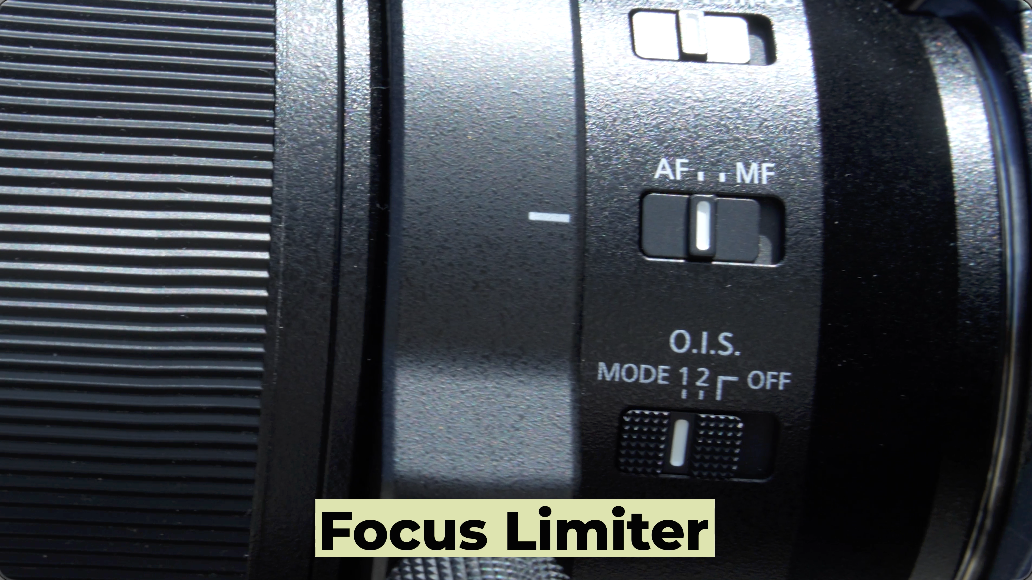
We’ve got autofocus, manual focus, which is great. We also have a focus limiter. So, if we’re going to have full range going and it focuses very close. So, if you have it on full range, it’s trying to search that entire focus. And if you want to focus faster, you’ll limit that focus. Especially if you’re shooting animals, birds, and things that are a ways away from you, you definitely want to limit that focus to the 5 meters to infinity, and that’s going to make it so that things will focus quicker and you’ll be able to get your shot faster. But if you’re doing things that are real close, you’re going to want to have that go to the full. If you’re sitting there, you can’t get that to focus, then it’s probably not on full. You’ve got it set to the 5 meters to infinity.
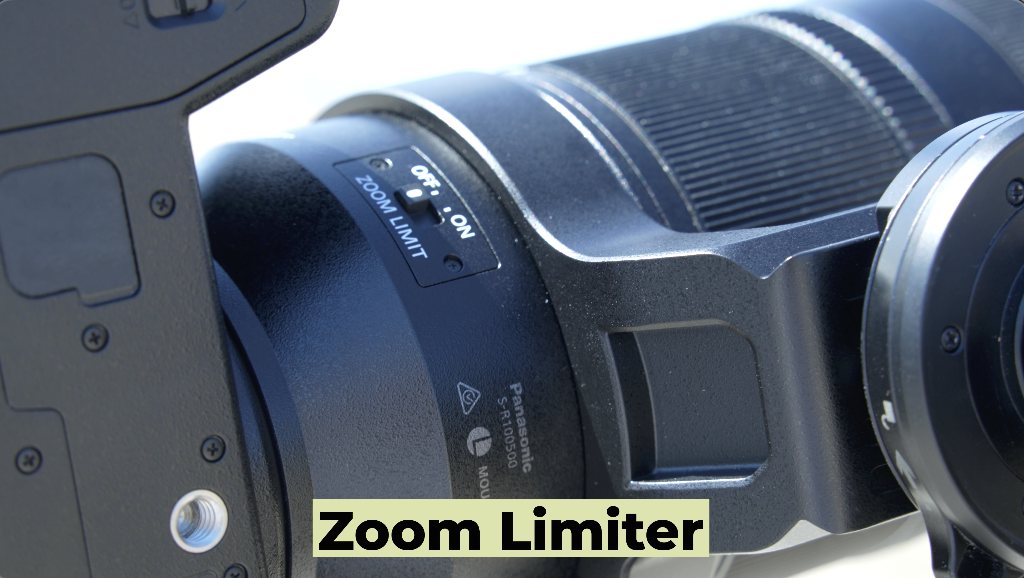
We also have on the bottom here, it’s a zoom limiter. If I turn the zoom limiter on, it’s not going to let me go past 150mm on the lens. Once I hit that, it clicks. It’s going to stay right there. Now, it’s safe for me to put my teleconverter in. Although, you can put it in without doing that. It’s going to push the elements forward and it won’t let the elements go back anyway. But that sets it up so that this can have a teleconverter put in the back. Now, we’re with a 2x we’re at 300, you know, to 1,000. So, that’s a nice feature there to be able to set that up. So you can put the teleconverter in.
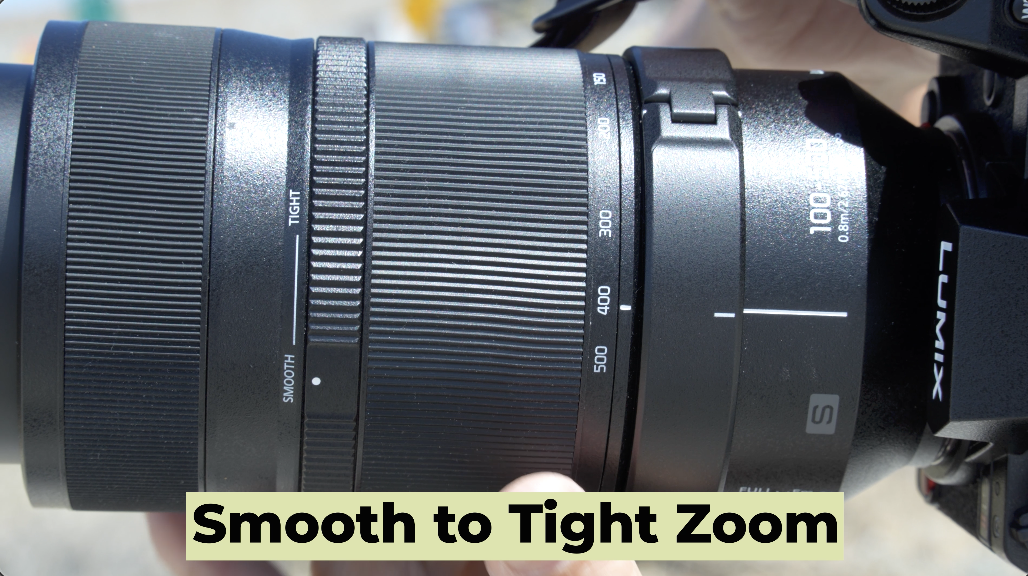
We also have a zoom smooth to tight, which the concept of this was really interesting to me because sometimes I do want the zoom to be more tight if I’m wanting to make a video move and I want it to just really be smooth and take a little while or sometimes I want to be able to snap it fast so I can follow an animal or something be a little quicker. So I do like that option. 
The problem I had with it is every time I would zoom, I’m catching it with my thumb or catching it underneath with my finger and I’m changing it a lot. So, unfortunately, I wish there was a way to lock that, but that is what it is. It gives us the option and I’m just going to have to learn how to use this. But because the plate is there, my fingers get pushed forward and it hits that zoom button, and that zoom button, it changes a lot of times when I’m, you know, in the zoom smooth or the tight is changing a lot of times when I’m trying to zoom the lens. So, that’s the only disadvantage of that. But I do love the fact that we have that. 
But you can take this collar off if you want to just handhold this. I mean, this I’ve gotten used to holding this, but it’s not ideal in your hand. If your hand was on the zoom, it would make this a little more turnkey. 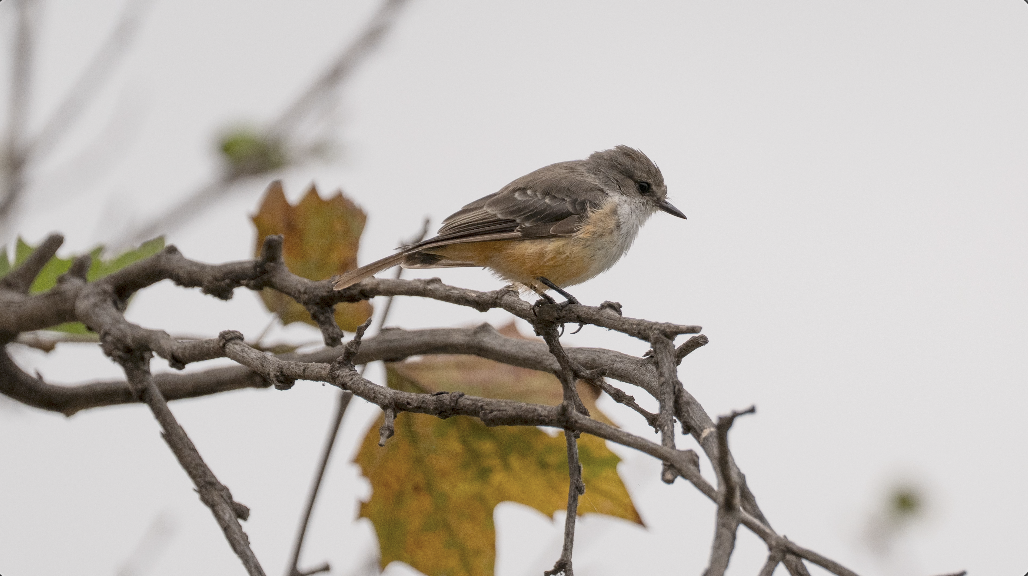
If you’re not going to be on a tripod and you’re just going to be walking around with it, birding or something, I would take that collar off. And you can take it off. It’s got a little knob on the side here. You can loosen this, take the collar off and you can remove it and then you don’t have that problem. You get right on the zoom.
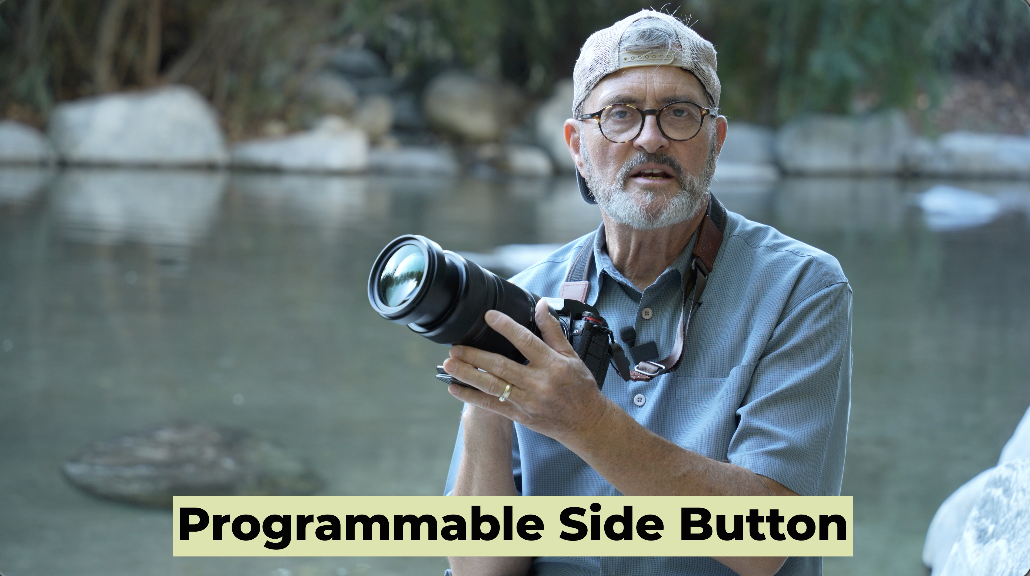
We also have the ability to program. We have a button to program here on the side. So, we have the ability to get in and to make changes to the lens to give that a function. So, it’s really set up as this is a weathertight, weather resistant lens. It’s made so you can get it out in the elements and use it. 
This is a high-end lens that’s made to be able to do animals, birds, any kinds of landscapes. 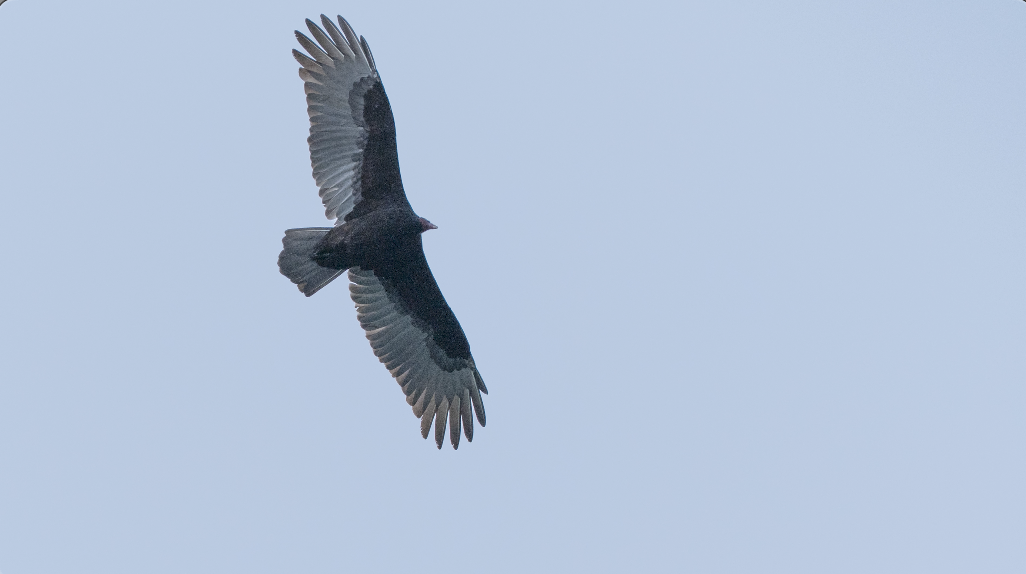
If you want to stack landscapes, it just looks beautiful on a long lens.
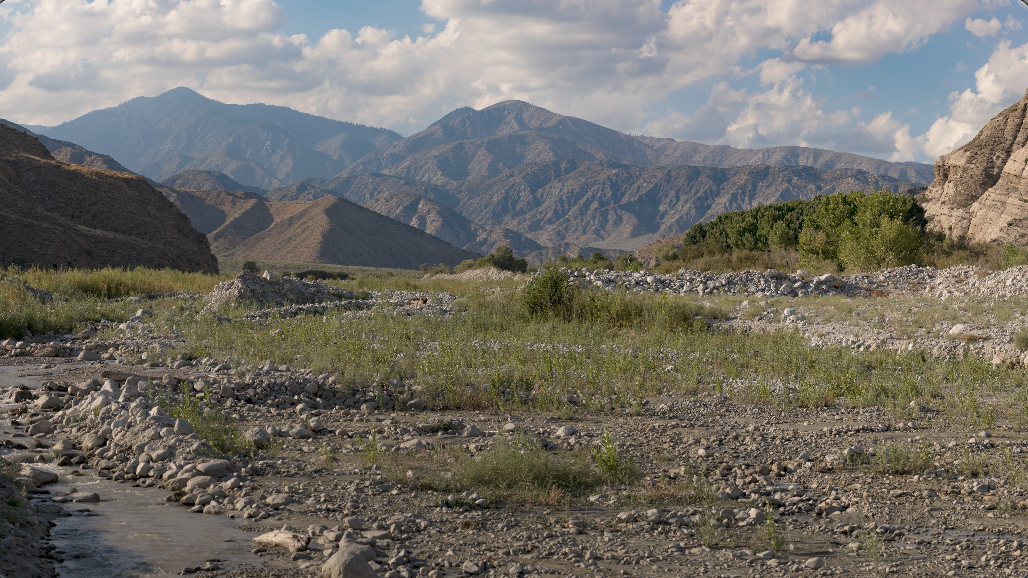
We got a lot of these with the Joshua trees we shot out here today.
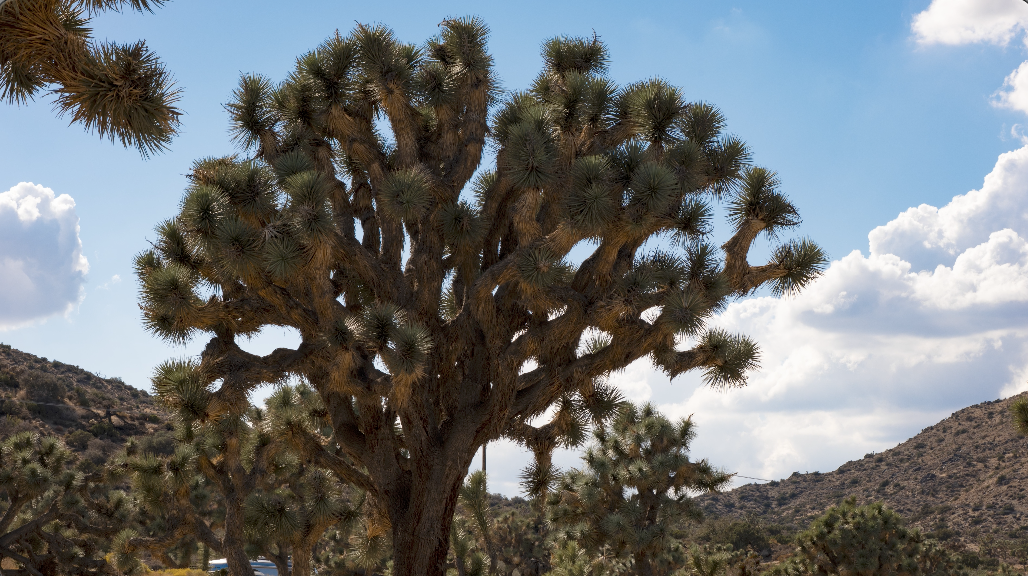
So, it’s a lens that is small enough, light enough, and ergonomically made to be able to carry with you. So, it’s a great professional high-end lens.
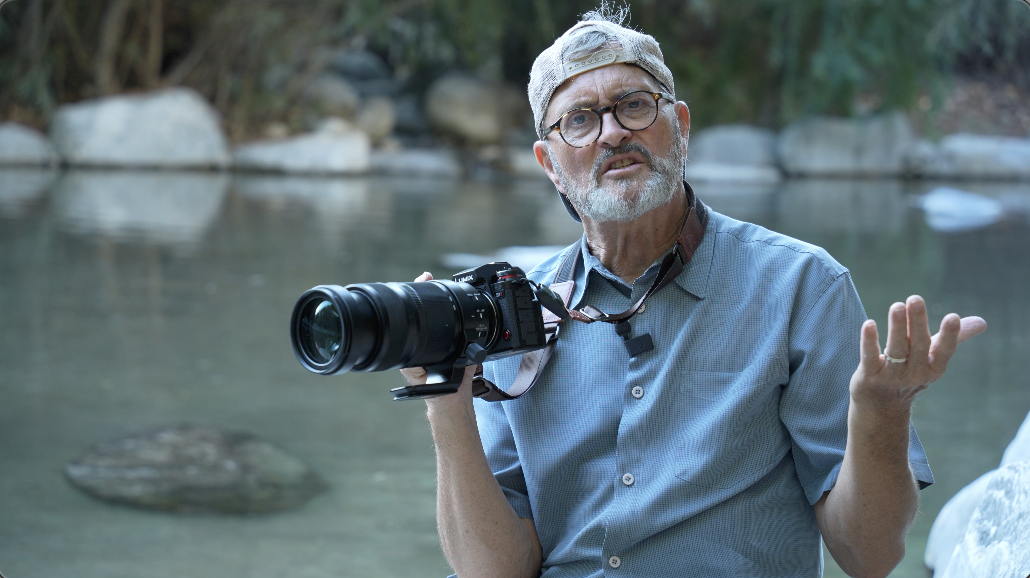
The L-mount lenses, there’s so many L-mount lenses. It’s surprising to most people how many there are. And that system is growing all of the time adding new lenses. This is the longest zoom they have ever developed, but they have so many lenses now that it competes with Canon. It competes with a lot of the other manufacturers out there. So, let’s take a look at some of these landscapes where we stacked that background.
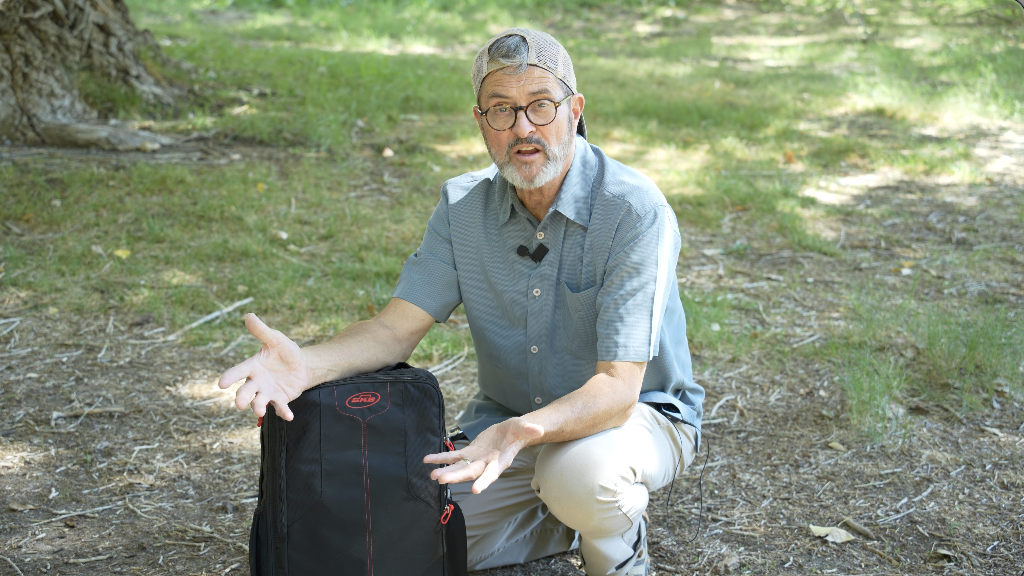
So when I travel, I really want a longer lens, a wildlife lens. I take it with me everywhere I go. When I fly, I want a long lens. A 100-500mm is absolutely perfect. And this 100-500mm from Lumix is ideal because of the form factor. It is very small, very compact. It’s not much bigger than a 70-200mm. I’ve got room for my Heipi tripod. I got batteries and cards and things and I got slots in here so I can carry a 24-70mm, a 16-35mm. I’ve got all the lenses. That’s the trinity I carry. It’s just easy to work off from that. Sometimes I’ll take a 50mm or a an 85mm depending on what I’m doing, but it all fits in one bag. 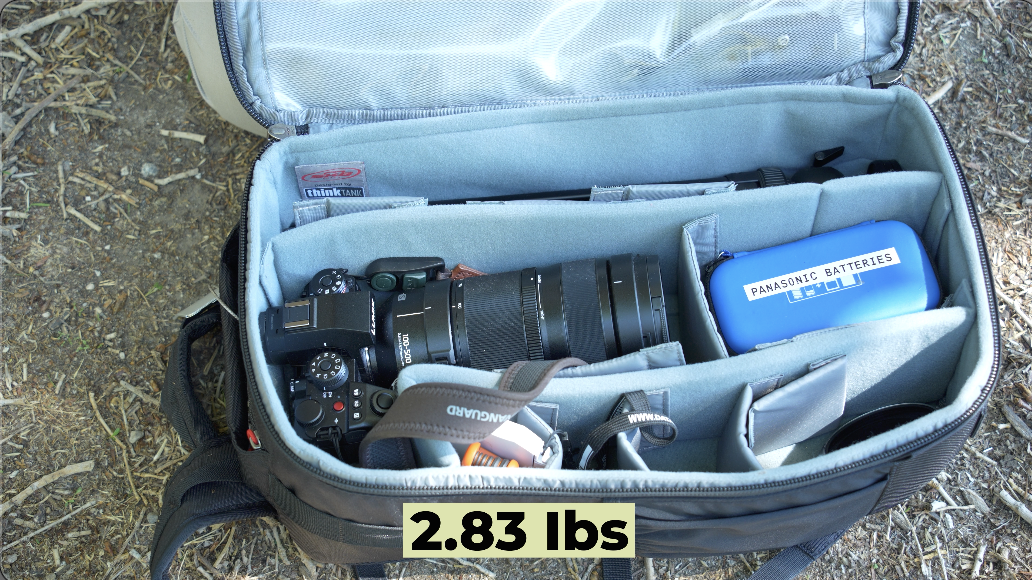
And partly because this is so light. It’s 2.83 lbs or 1285 g. It’s only 7.72 inches long or 196.1mm. 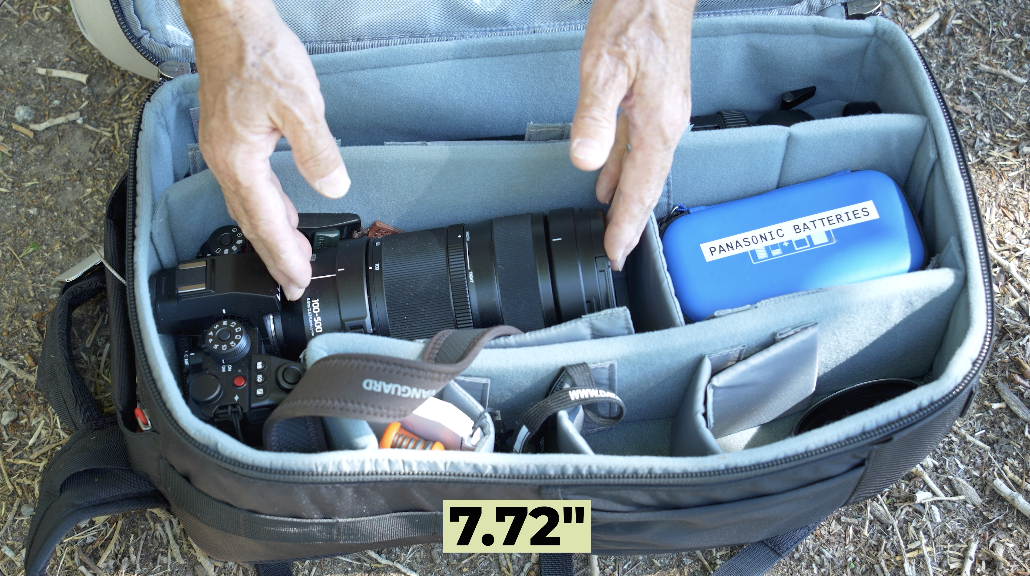
And it’s just very lightweight. You can’t get Sigma’s 600 mm lens in here. It’s more the length of a 400mm lens. And it really gives you the extra reach and just is a better option than a 400mm like 100-400mm. So, I think it’s the perfect travel companion because of size and weight and it becomes the high end of my trinity when I travel. So, there’s my lens choice and it all goes in my SKB backpack. Off we go.
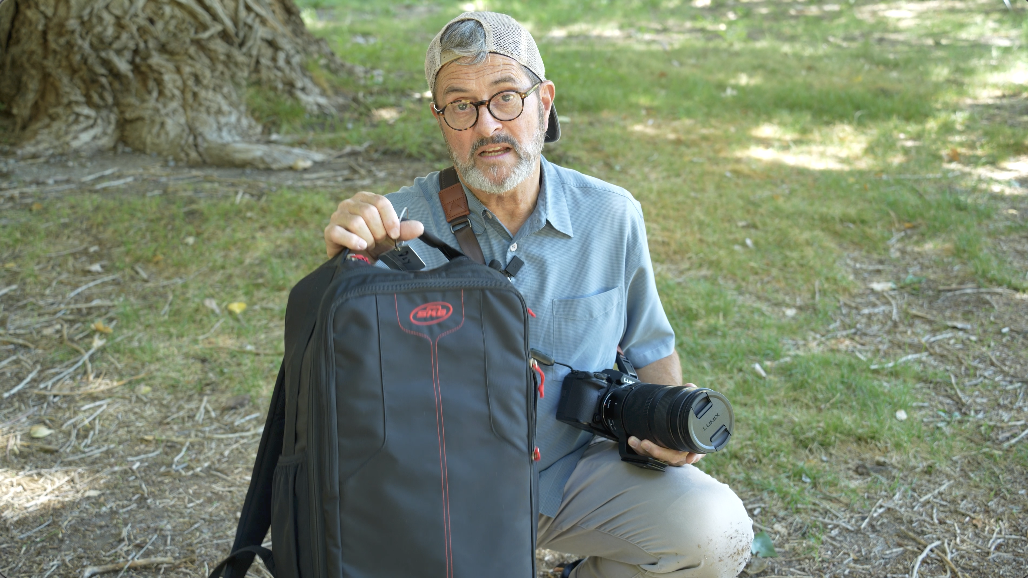
One of the compromises you have when you have a zoom that becomes this small is you can’t use teleconverters with it because the teleconverters have got an element that has to extend out. 
So most manufacturers are going to put some kind of a housing on here, push this lens a little longer to accommodate a teleconverter. 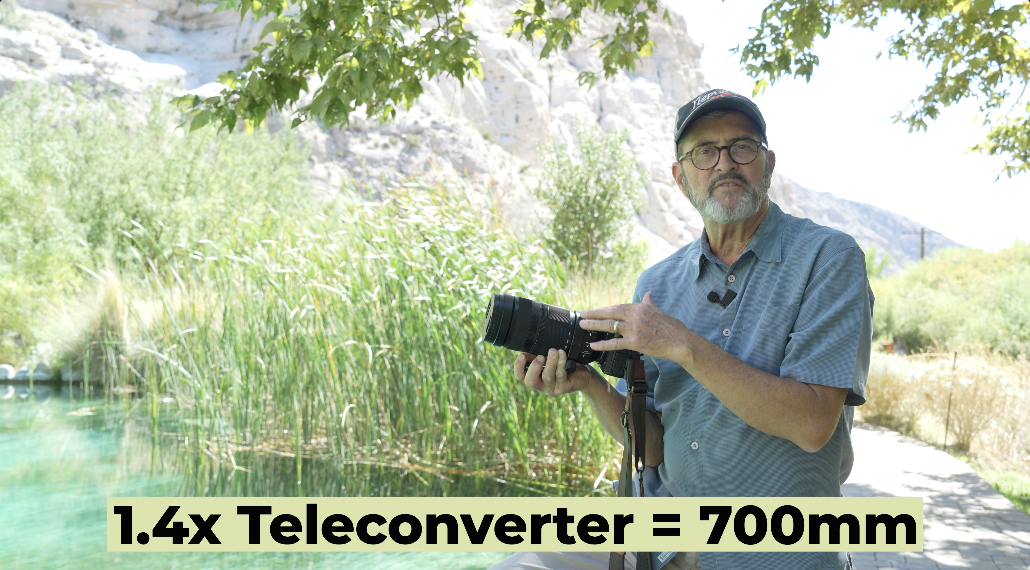
But what this lens is made to do is you can put a 1.4x which will give you 700mm or a 2.0x that’s going to give you two times which is 1,000mm. 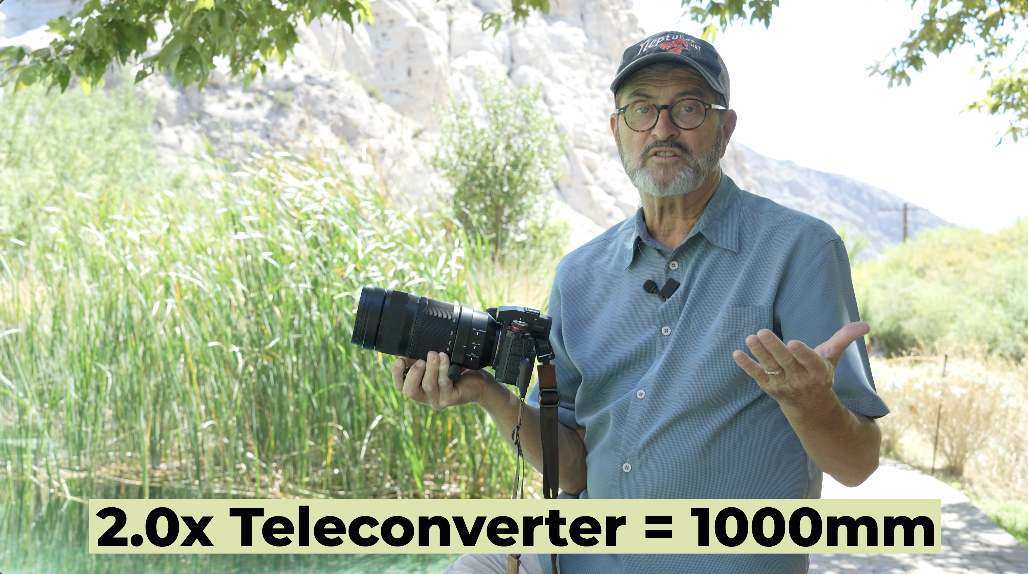
And when you put those teleconverters on the element goes up inside of the lens. It pushes the elements of the lens up. It makes it so you can’t zoom out past 150mm anymore. 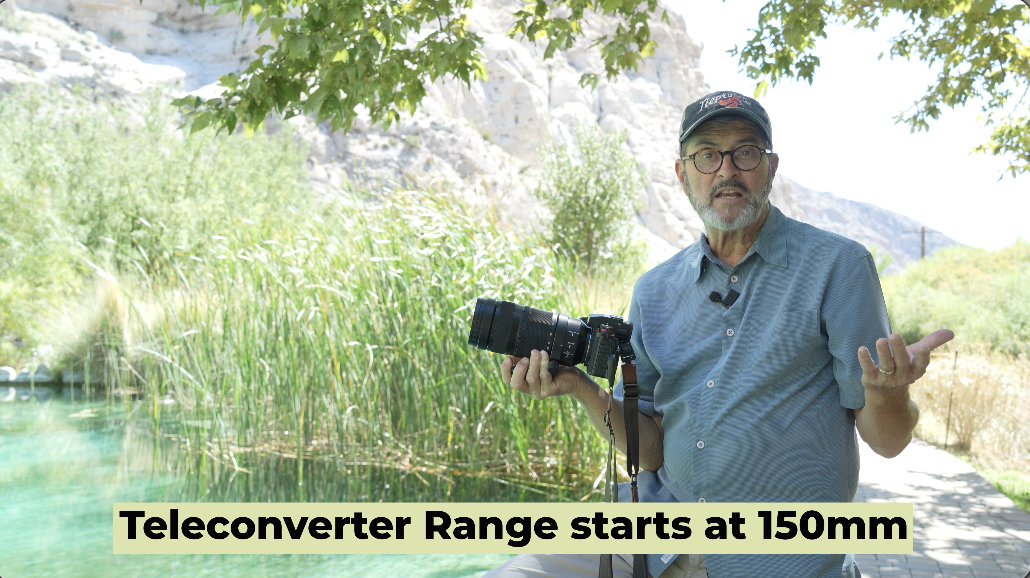
You can’t go all the way to 100mm. But that’s why you put a teleconverter on because you’re trying to get out further. So it doesn’t matter that you can’t get to 100mm. It pushes out to 150mm. And now you’re going to get a longer range with it. And it allows you to have a teleconverter and it can be compact and small and lightweight to go in your bag. So that’s how you can get a teleconverter to work with this lens and overcome that issue of needing the space.
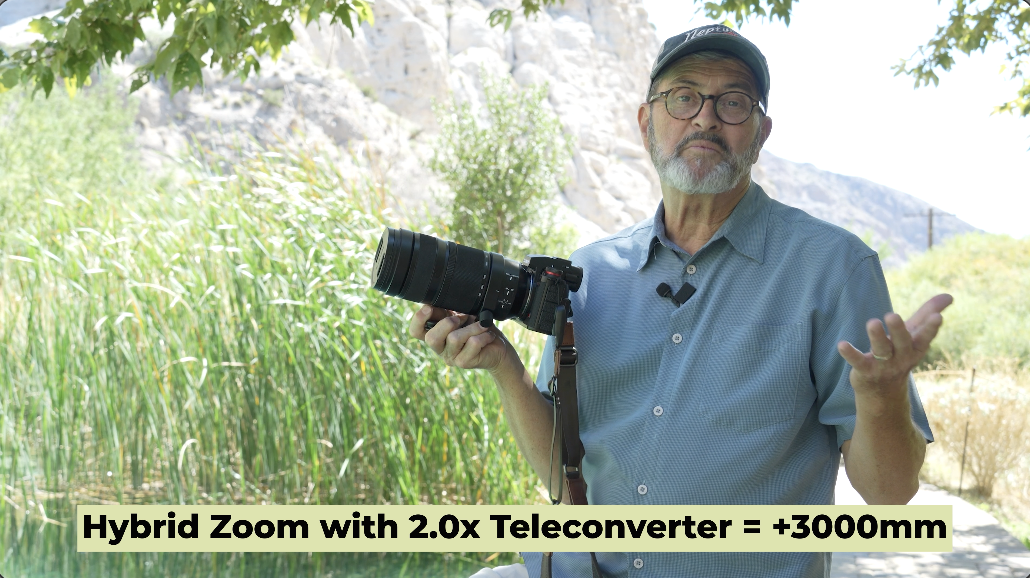
If you combine this with hybrid zoom, that’s the optical, combine optical and your crop zoom. I mean, you can get this thing up over 3,000mm. You can get some crazy images over 3,000mm with this. So that’s an interesting thing to look at. You also don’t lose your aperture. I mean, you lose an aperture with a 2.0x. You lose two stops. 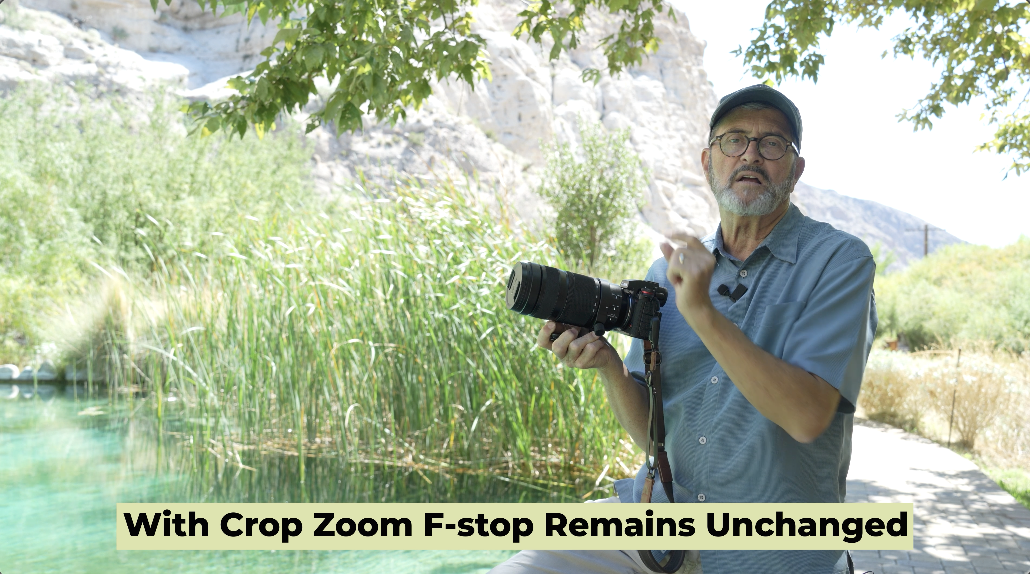
But that hybrid zoom or the crop zoom does not because it crops into the middle of the frame and so you don’t lose an additional stop with that when you zoom that additional distance over 3,000mm. So, it’s an interesting setup the way they’ve put that element into the back of the lens and makes it so it’s still small and compact, but you can do a 2.0x converter on it.
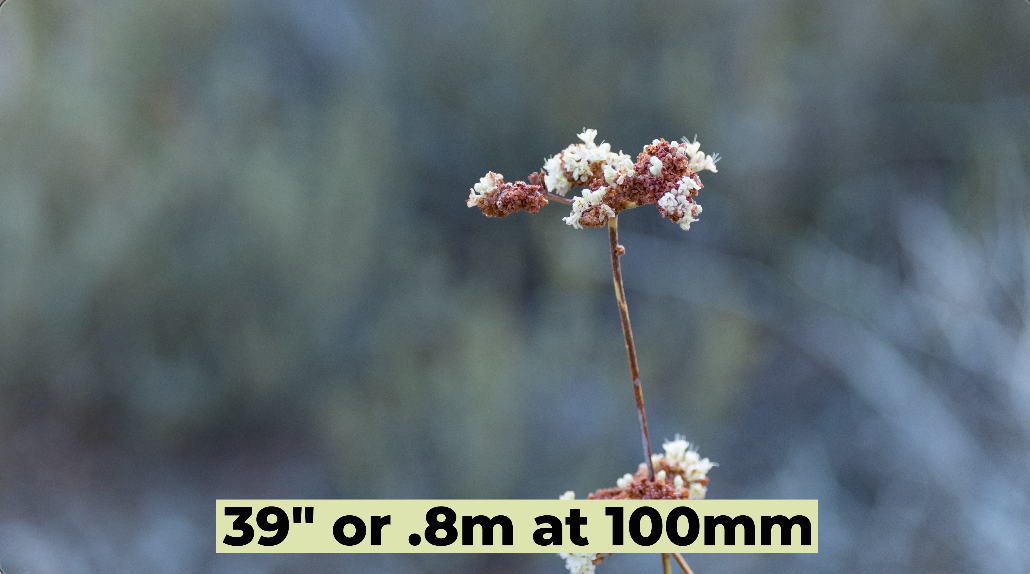
So the close focusing distance at 100 millimeters is about 39 inches or .8 meters. And then you see the size of the little kind of seed pod that I’m photographing. 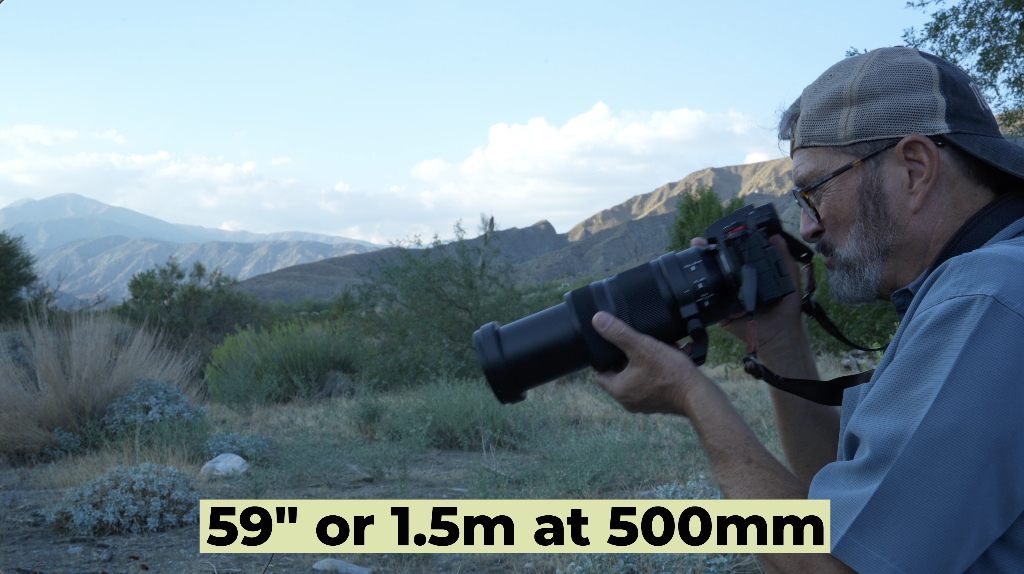
But when you go to 500 millimeters, it’s more like 1.5 meters.
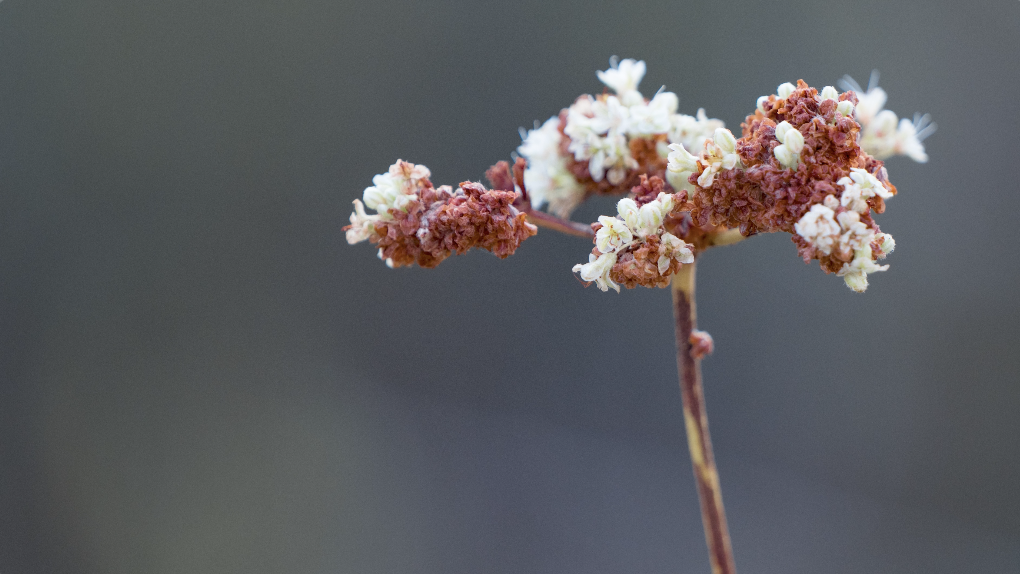
So, it’s way back in here, but look how much larger our subject matter is. It fills the frame. And so, you can take a look at those two. That’s 100mm, I’m closer, but it’s not as big. There’s 500mm, and I’m further back, but it’s much larger.
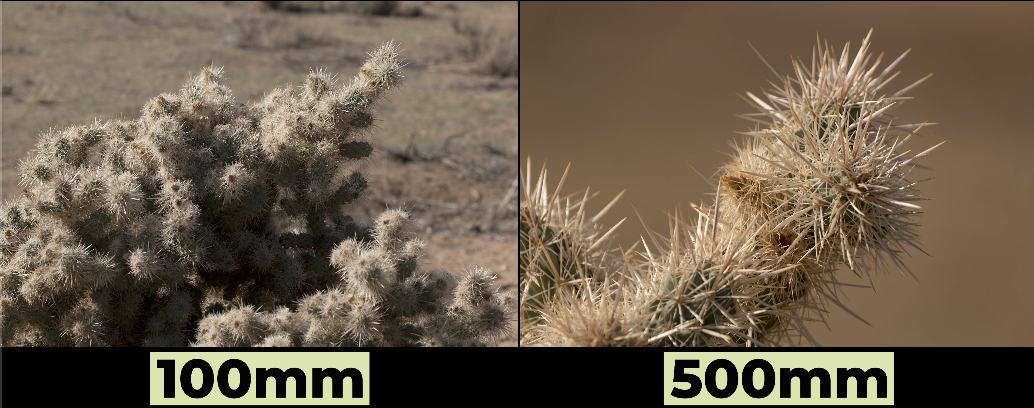
So, it’s a good respectable close focusing distance, which allows you to shoot some types of insects, you know, flying things like dragon flies and those kinds of things. It really gives you that closer focus ability when you’re out in nature like this. There’s a lot of things that fall into that category. So, there’s a look at that close focusing distance. 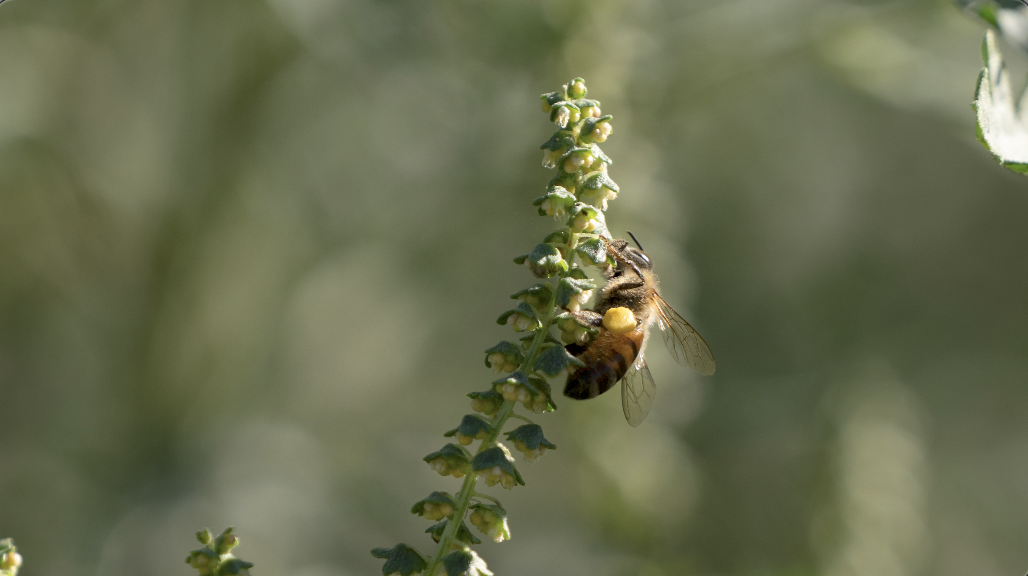
500mm is going to give you the closer look. And it really helps because if you’re shooting an insect or something, you’re not, you know, pushing this right into the face of the insect. 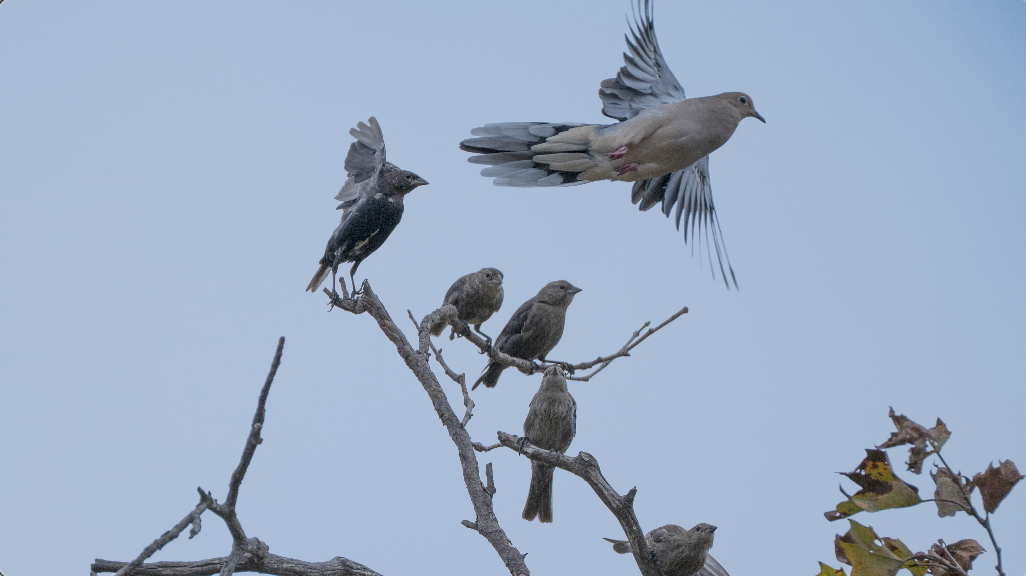
You can get back and that allows you to give you a larger image and not have to be right up on top of it. And that helps not scare it away. So, there’s a look at the close focusing distance.
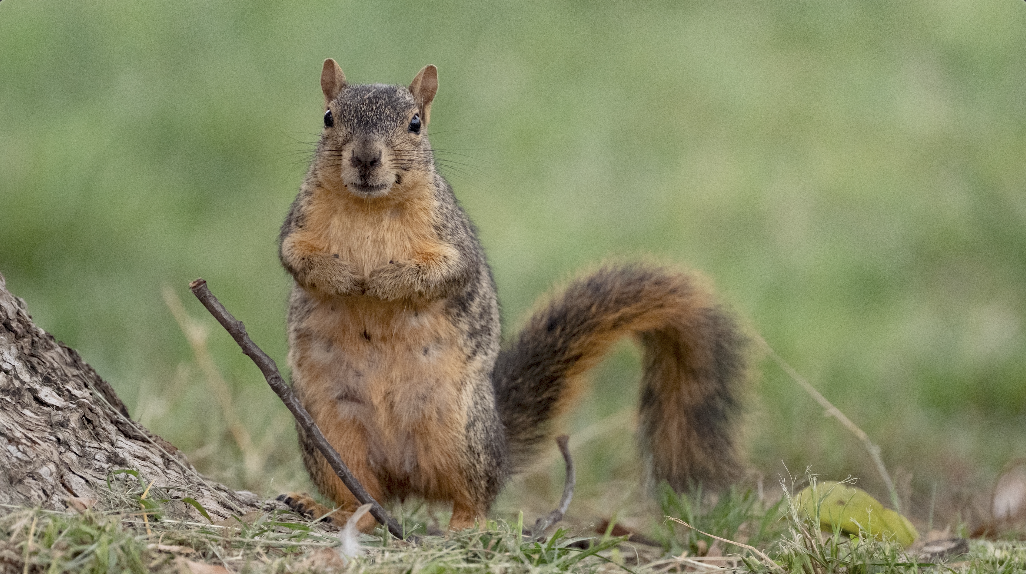
So for video, some of the strengths of this camera are first off, stabilization. It’s probably the best platform I have ever used and I’ve used all of them when it comes to stabilization. 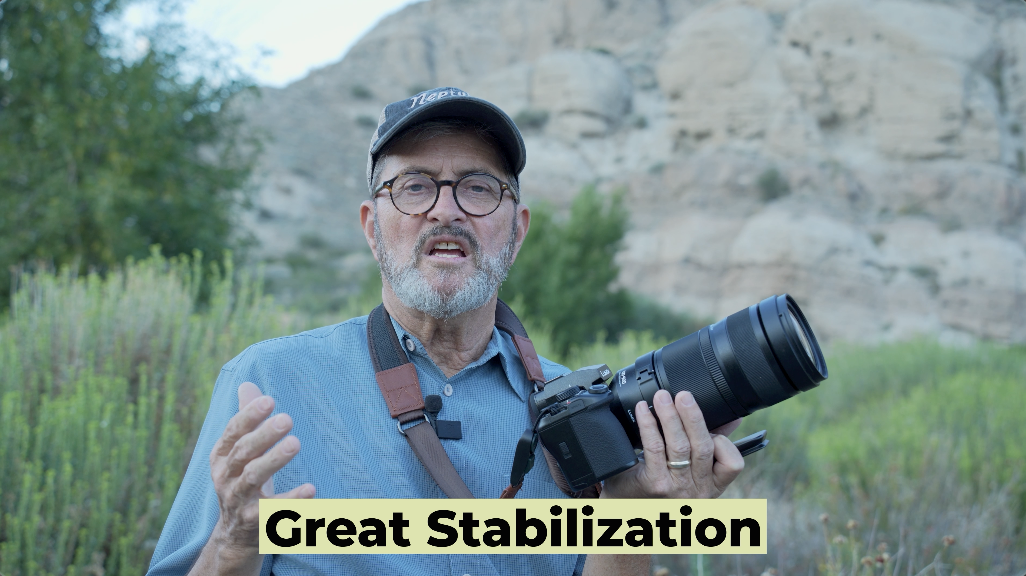
It is smooth. It is beautiful. It is really unquestionably professional level when it comes to autofocus in video mode. I mean this lens has got dual-phase linear motors. 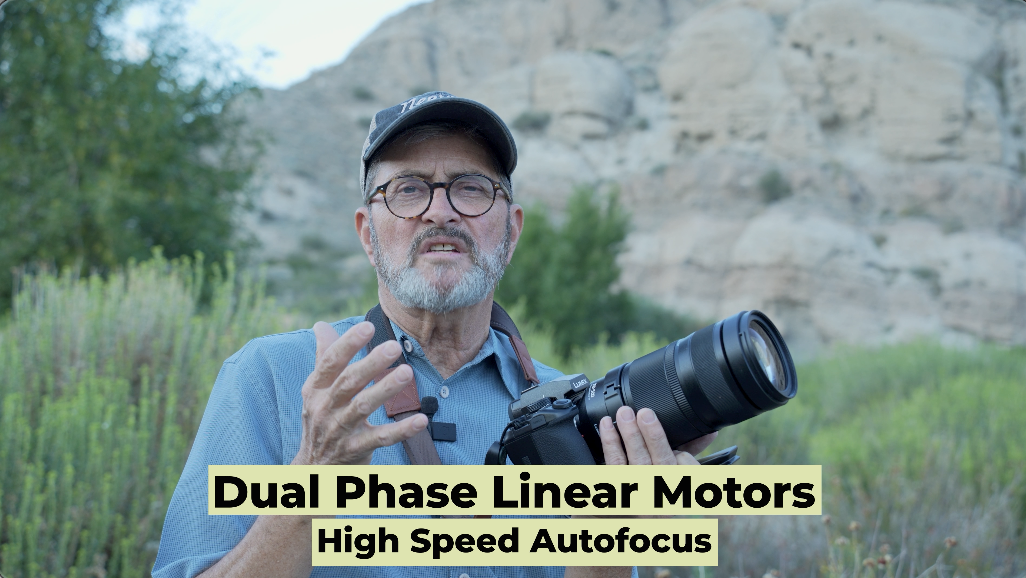
It’s got high speed, high precision autofocus, so it’s quiet. It really gives you a quiet, smooth look as it looks at the person and follows them. I found that it was really right on and did an excellent job in video mode.
So we tested the autofocus in stills mode. As I walk towards the camera, these frames are in focus. It’s with me every single step of the way. 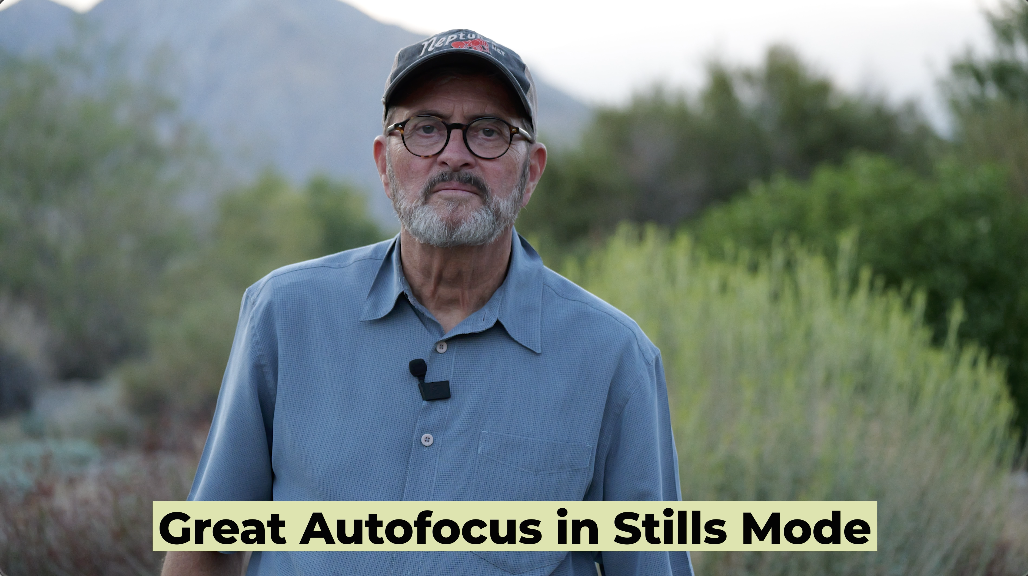
Does an excellent job. I think that as far as that goes, they’ve really moved far ahead. Panasonic’s moved so far forward and it just gives you a really sticky autofocus. It’s right on the eye. It goes from human to eye. It just works really well. But I think the autofocus both in videos and in stills is very good.

So, I mentioned earlier that it’s got a collar here that you can take off. Also, it allows you to spin into a vertical or a horizontal very quickly. Or one thing I have done in the past is I’ll just throw this off to my right because I’m left-handed. And I’ll just now, I can use this and I can work the zoom and everything much easier. And this collar is off to the side. And then if I want to get it on a tripod, I can just flip it back into place. I don’t have to leave it in the bag or take it off and try to find it later. I just keep it on the camera, roll it over to the side, and then I can hand hold, it sits right underneath the lens. It works out great. So, that’s just a little tip when I’m using a lens that has a collar on it.
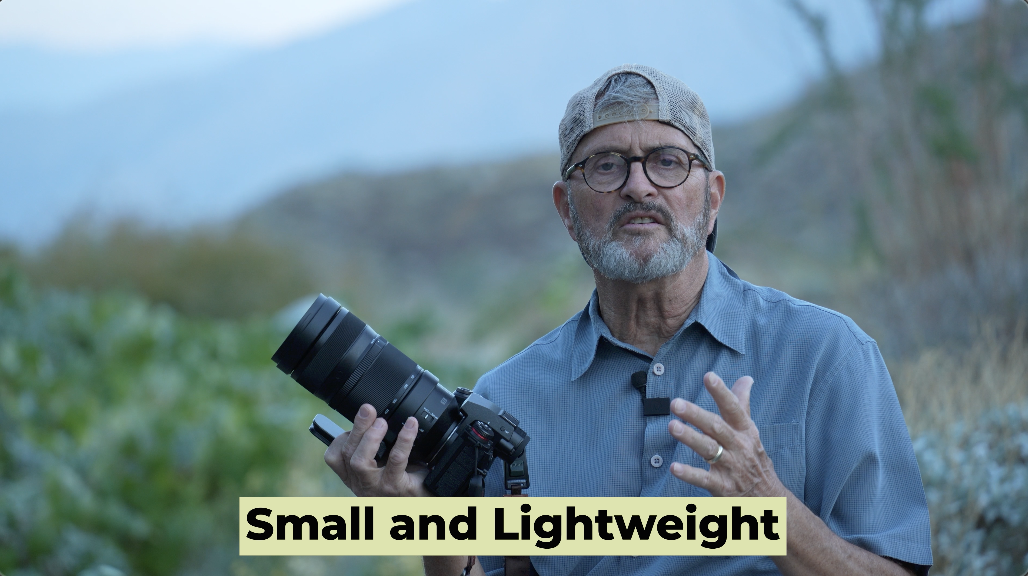
So, let me wrap this up. This lens works for me for a couple of reasons. Number one is the small form factor. It’s lightweight. It’s small. It allows me to put it into my carry-on if I’m traveling and takes up about the same space as a 70-200mm, slightly larger than that, but that still works for me as a third lens to carry when I’m traveling. 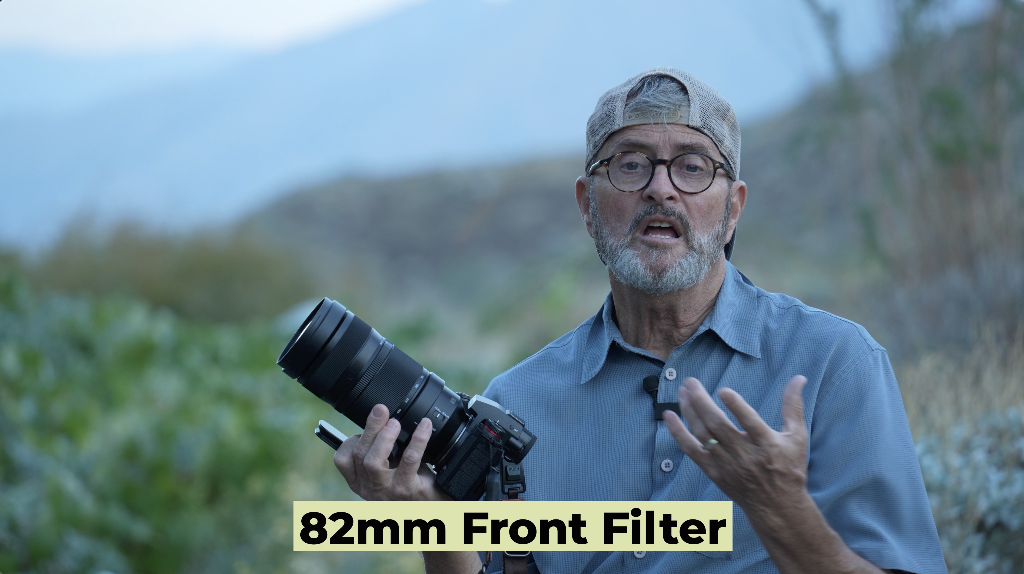
It also has an 82 millimeter filter on the front which all of my filters are 82mm. I buy 82 and then I step them down for any lens that I purchase. So this starts at that 82mm so I can use all my NDs. I can use everything I purchased already. That makes this just a turnkey kind of operation.
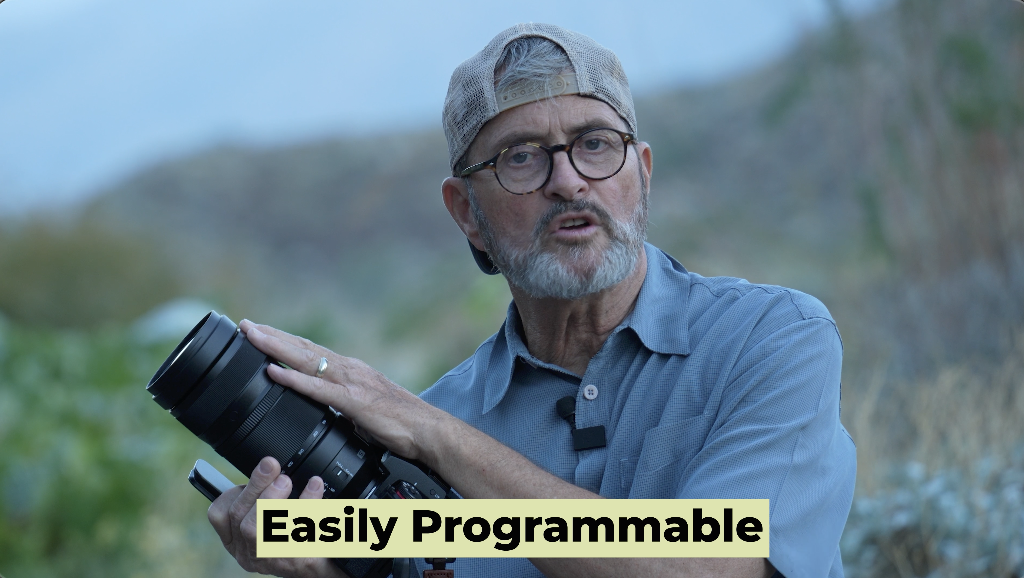
So the programmability of this lens also makes it so I can change the focus ring whether it’s going to focus one direction or the other. I’ve got buttons here to be able to give them different features. Just the autofocus. The motors are fast.
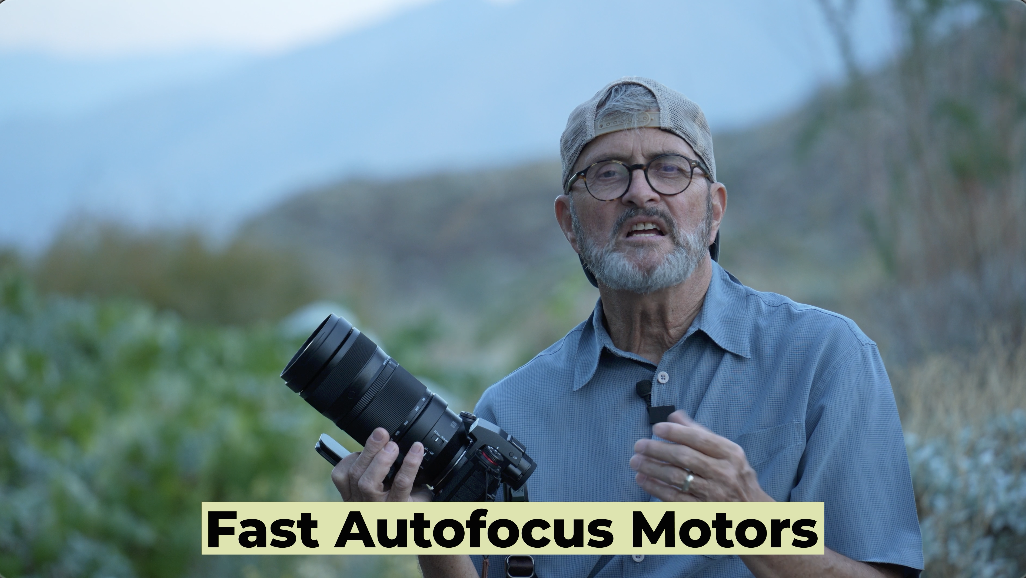
It’s doing a great job sticking on the subject matter. So, I feel like this really is for Lumix, a lens that was needed. 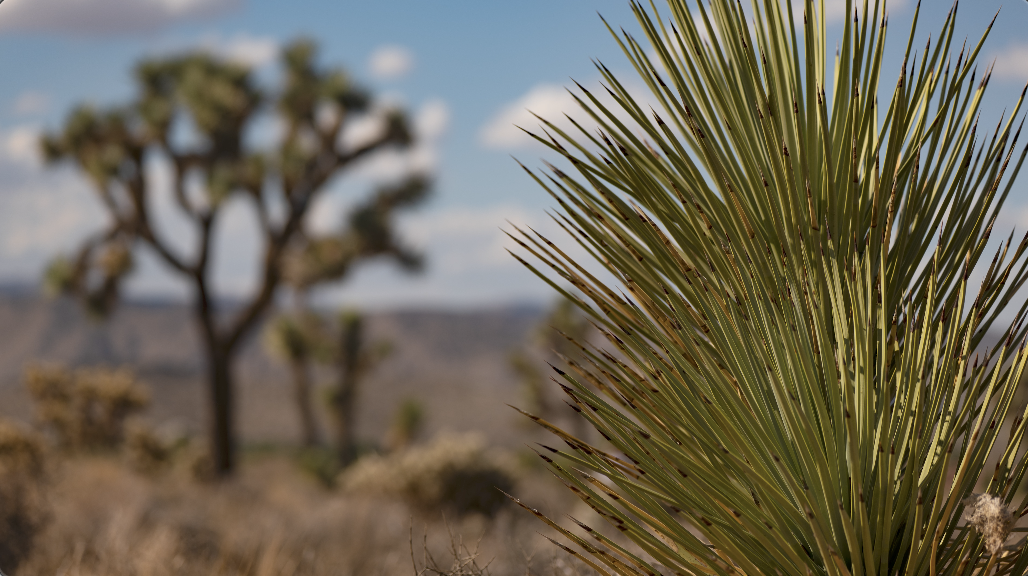
You need a professional high-end telephoto for that sports, for landscape, for any kind of especially birding and wildlife. 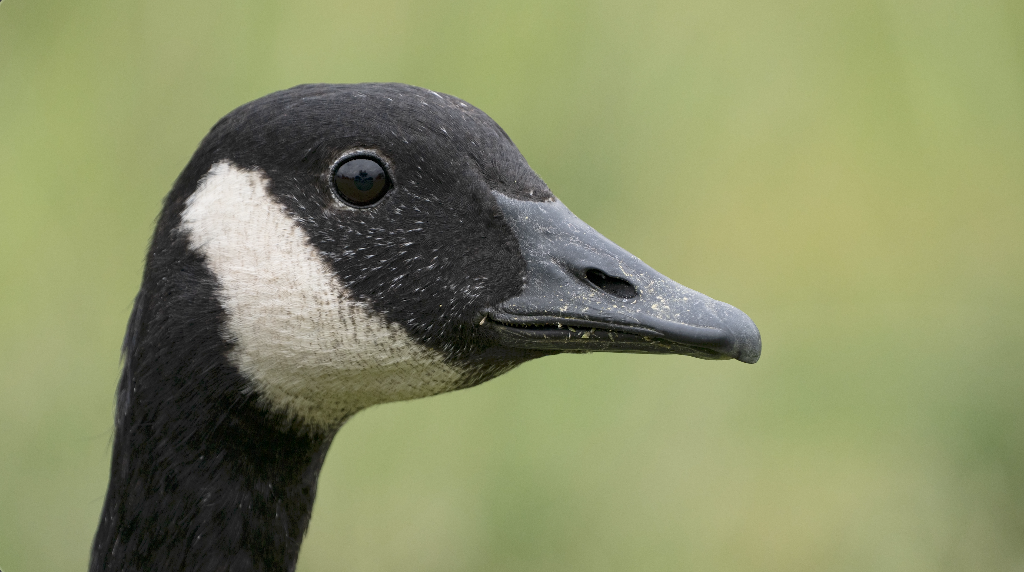
This really becomes the lens to choose. So, I think it’s going to be great fun to have and be able to shoot. So, I look forward to doing more things with it in the future. You keep those cameras rollin’ and keep on clickin’!
