Finally, an Affordable 12-20mm f/2.8 Zoom for Full-Frame Nikon and Sony!
Morgan
(If you want to watch the video go to The Slanted Lens on YouTube!)
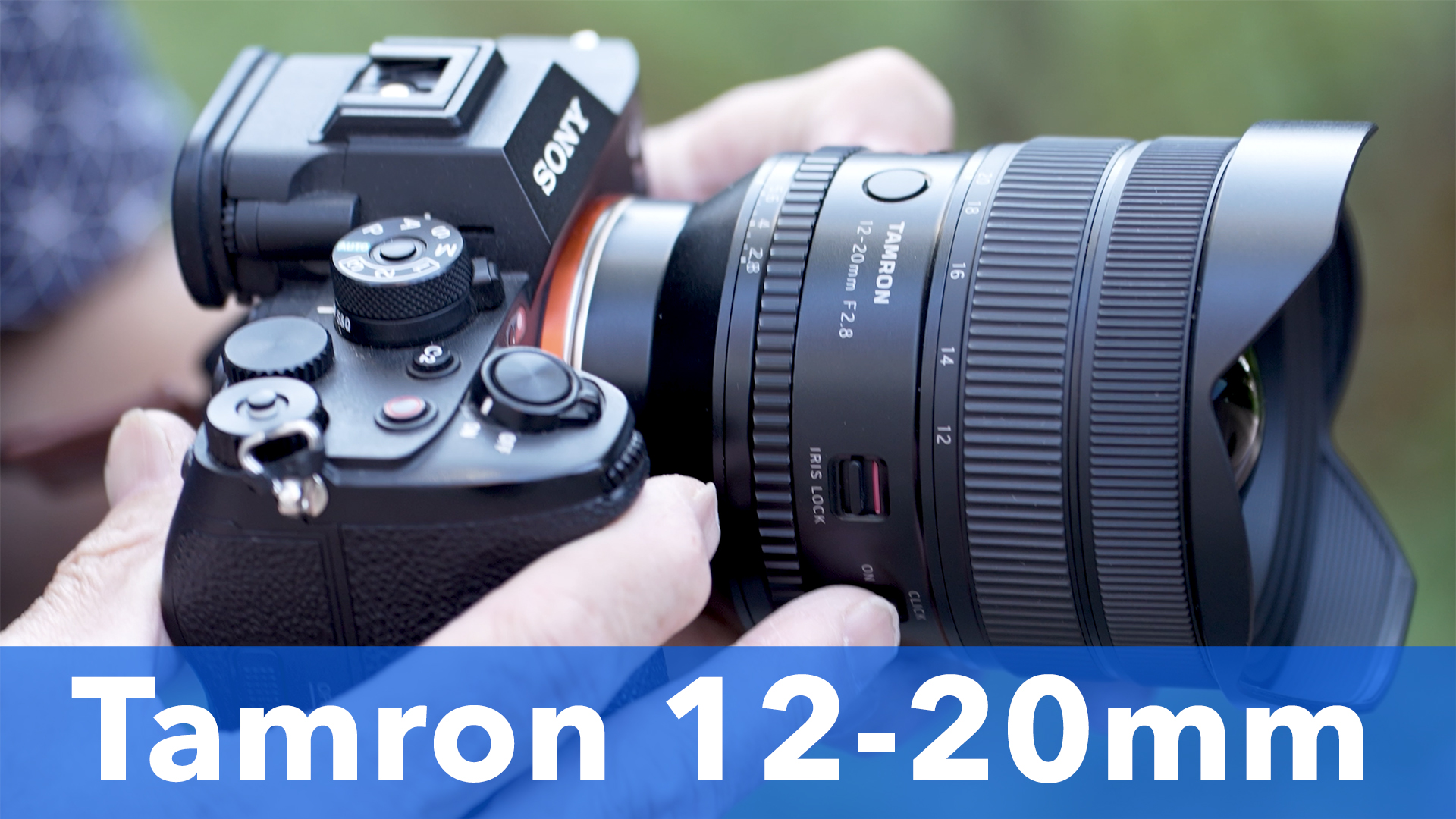
Hey, I’ve got the new Tamron 12-20mm f/2.8 lens. This is not your grandma’s Tamron lens. This is a high-end professional lens. It starts to feel and look very much like a cine lens. It’s a lens that delivers on so many levels because of all the features that it has. So, let’s look at those features. Let’s look at some images. Let’s get started and shoot with that 12-20mm f/2.8 lens, not your grandma’s Tamron lens.
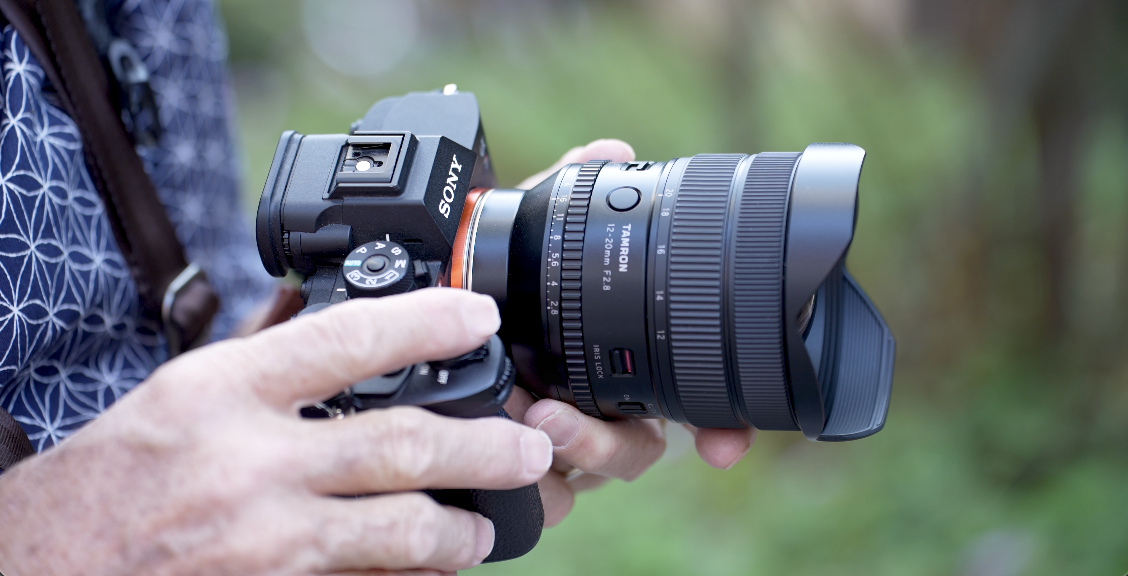
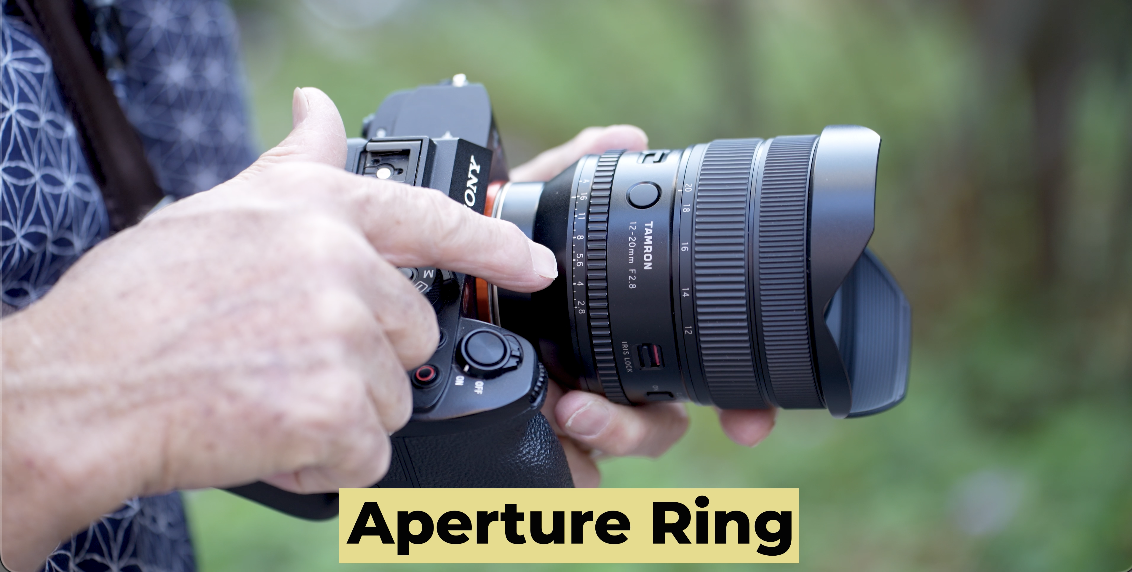
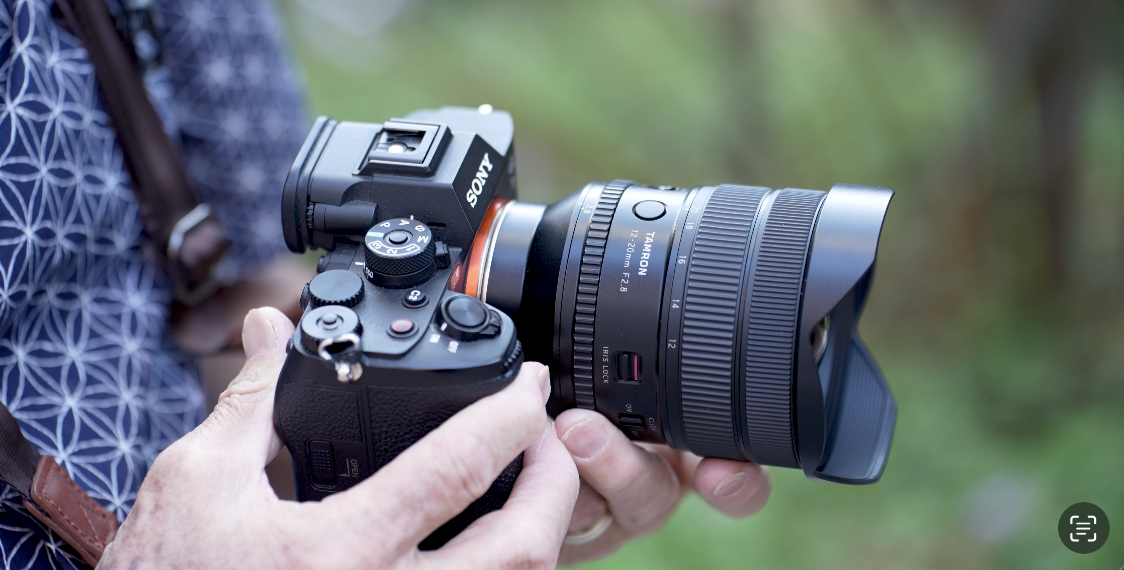
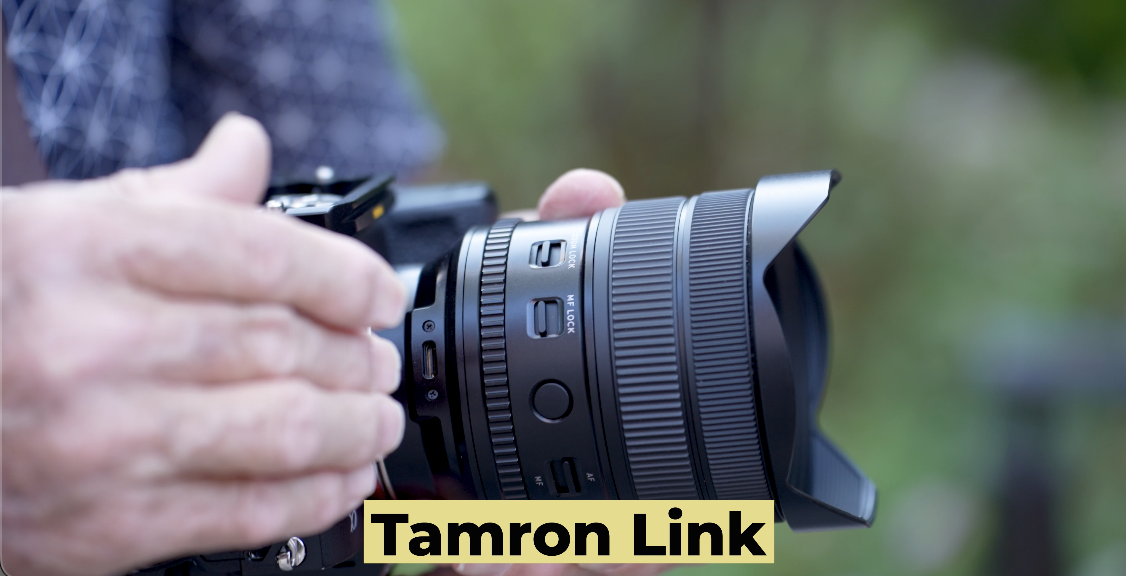
So, let’s take a look at this lens. It’s very different than a lot of the lenses Tamron has done in the past, which are very minimalist. Some of them don’t have any buttons on them at all. It’s all done internally in the menus. This is all done on the lens. We start off with an aperture ring. The aperture ring will go to an A which will turn it into internally and allows you to control it from inside the camera the aperture if you want to do that. But there is a lock to make it so you can’t go to that A accidentally. You can de-click this if you want to exposure ramp if you’re going to move from inside to outside. It’s much easier if it’s de-clicked. Or you can turn it on and have the clicks, which I like the clicks. It allows me to tell where I’m at on the aperture a little easier. So, it’s got that beautiful aperture ring. The beautiful aperture ring’s got pretty good size teeth on it, which you could almost run this off a motor. Might be dicey, I don’t know. I haven’t tried it, but that’s certainly an option there that might work. We then have our, like I say, iris lock de-clicking.
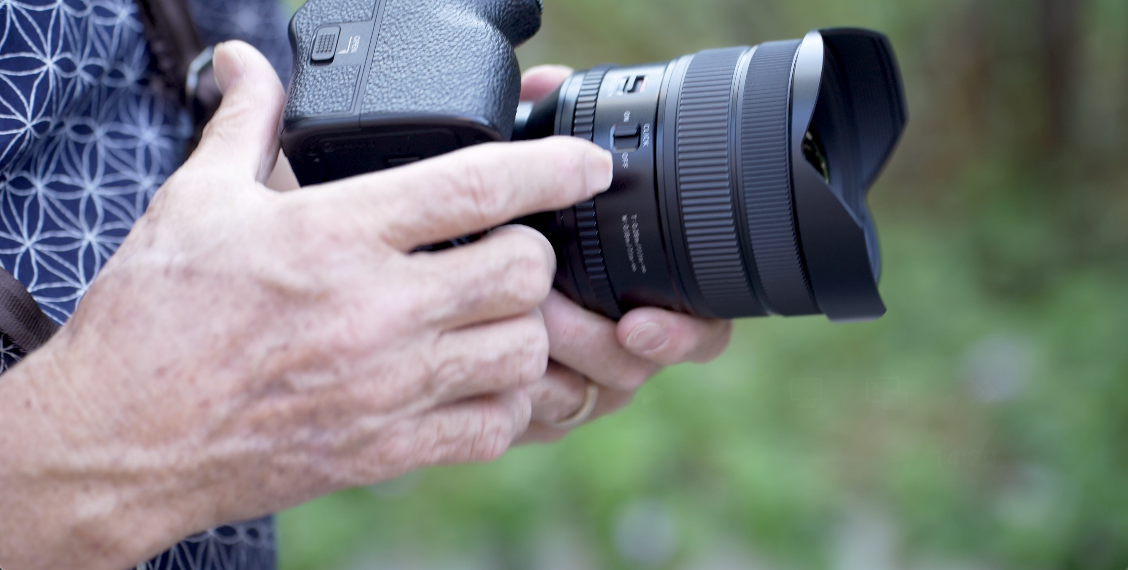
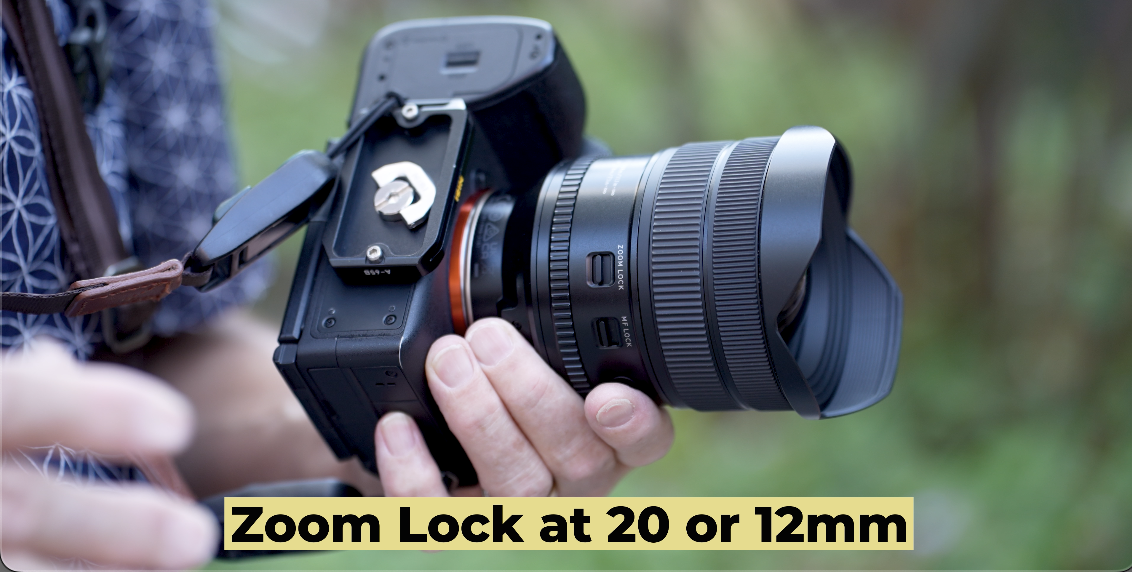
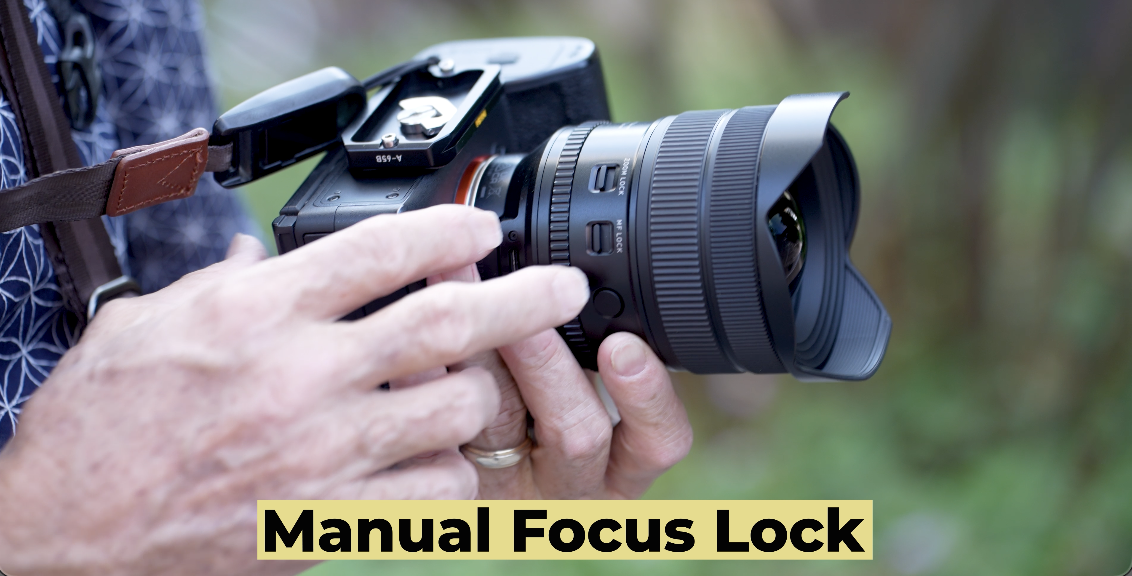
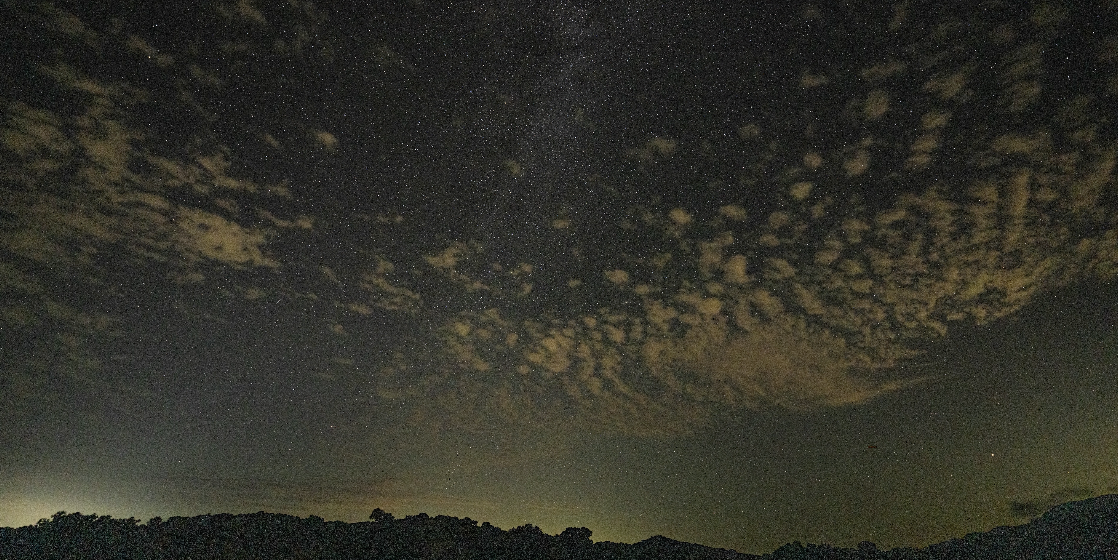
We come around here, we have a zoom lock. It will only either lock at 20mm or 12mm. So, it doesn’t lock anywhere in the zooming range. It just locks at 20mm or 12mm so that it won’t creep. I’m not sure how valuable that is. I mean, generally speaking, I guess you could lock it if you’re doing any kind of astrophotography and that would be helpful. That’s the other one that comes next is the manual focus lock. I think this is extremely useful. I’ve shot a lot of astrophotography and I’m always searching to find where infinity is on the lens. And then once you find that, I either draw a Sharpie mark or I mean all kinds of ways to be able to determine where that’s at. This allows you to just simply lock it at that infinity point and now it’s locked off. You can use it on your, you know, your gimbal. You can use it on any kind of a setup and you don’t have to worry about it falling out of focus. So that’s super helpful.
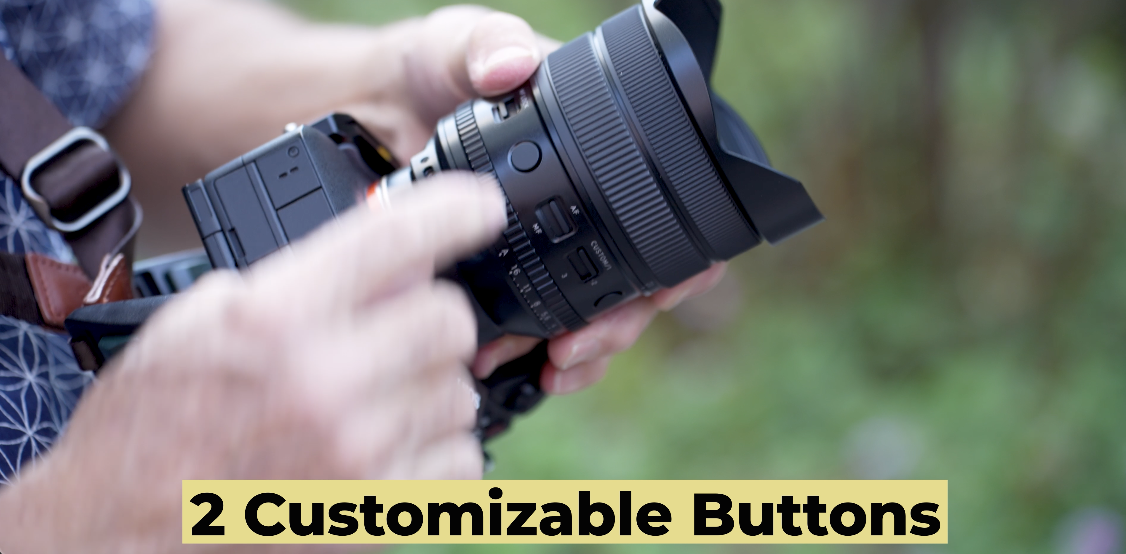
Then of course two buttons that allow you to customize. So all of our controls are pretty much on the lens. The downside of something like that is that there’s a lot of things you can turn on or off here that might start to affect what you’re doing and you may not know exactly what is on and off. So, you have to really be careful with a lens like this. Be deliberate with it to make sure that you set up your settings and you look at them. Don’t just start shooting. Look at them. Make sure everything is where it’s supposed to be. Then you can start to shoot because something’s accidentally gotten bumped or set on the wrong setting. It can really cause a problems when you’re trying to shoot. I did it the other day. I’m thinking, why won’t this thing focus? And I had locked the manual focus. It was locked and so it didn’t allow me to change it. So sometimes if you’re in a hurry, those kinds of things can catch you off guard a little bit.
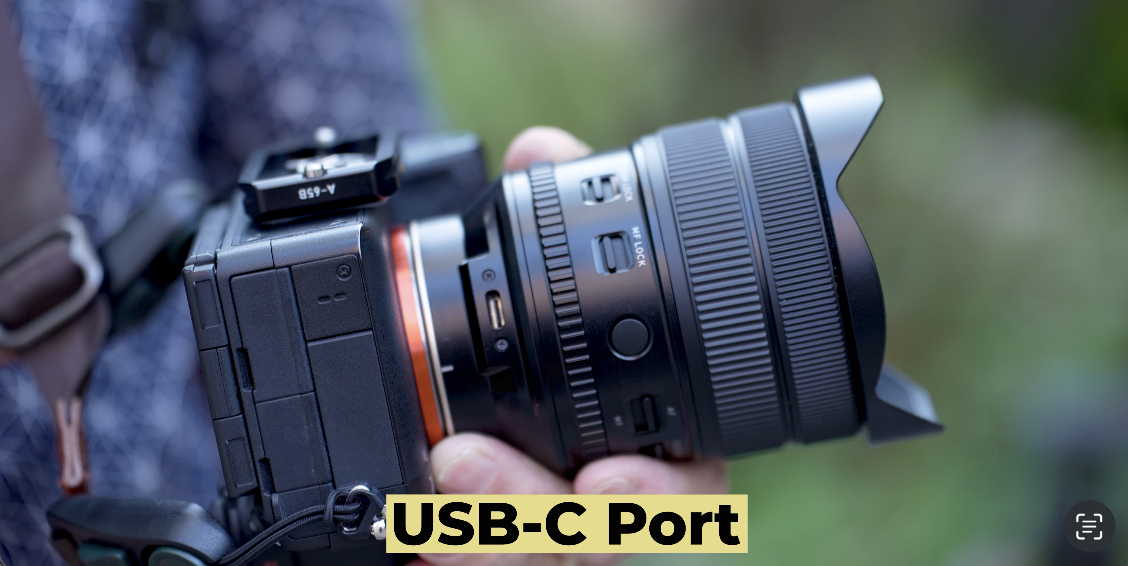
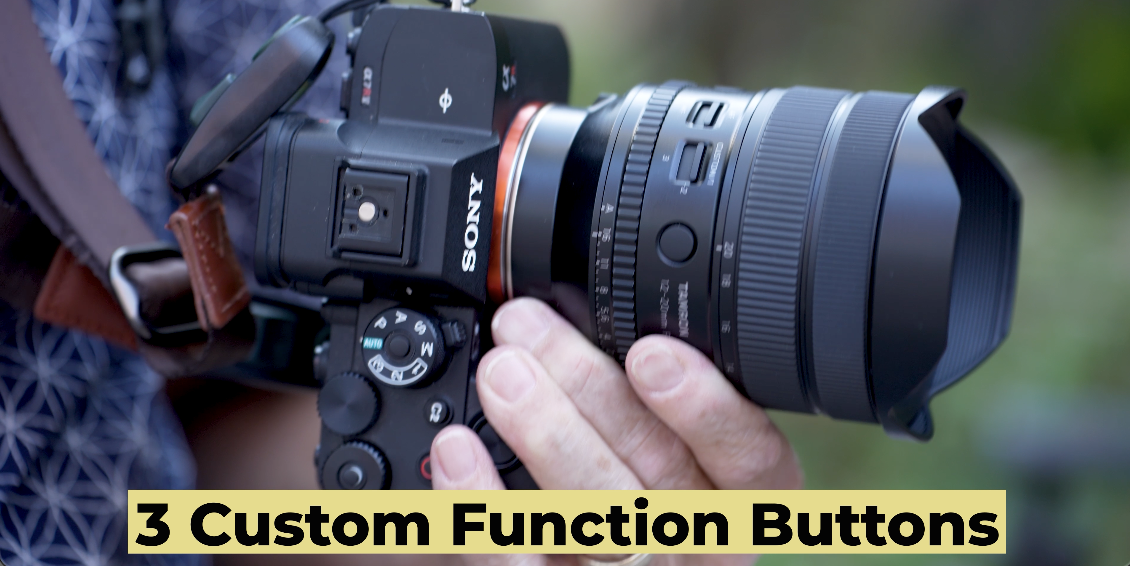
The lens also has a USB-C port, which means you can plug it directly into your computer, which allows you to customize a lot of these buttons. So like the three custom functions, you can change those functions in the app in your computer. Or you have Tamron Link, which is basically a little card, little USB-C device that plugs in here. It allows you now to use the app and not have to be at your computer and you can make all those changes. So, if you’re shooting video and you want to change focus points to be able to pull focus, you can set all that other stuff up with the app using that Tamron link. So, that’s a great way to be able to keep the the firmware updated or to be able to use this for more video applications where you’re pulling focus. Finding focal focus points becomes more of a video application as well. So, there’s a look at all the buttons and controls on the lens.
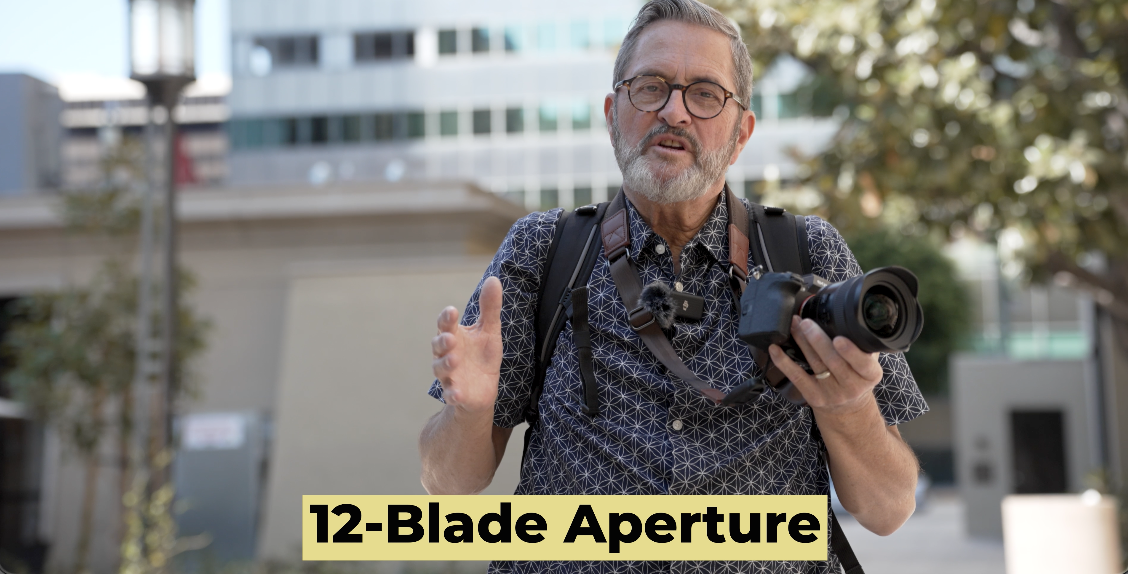
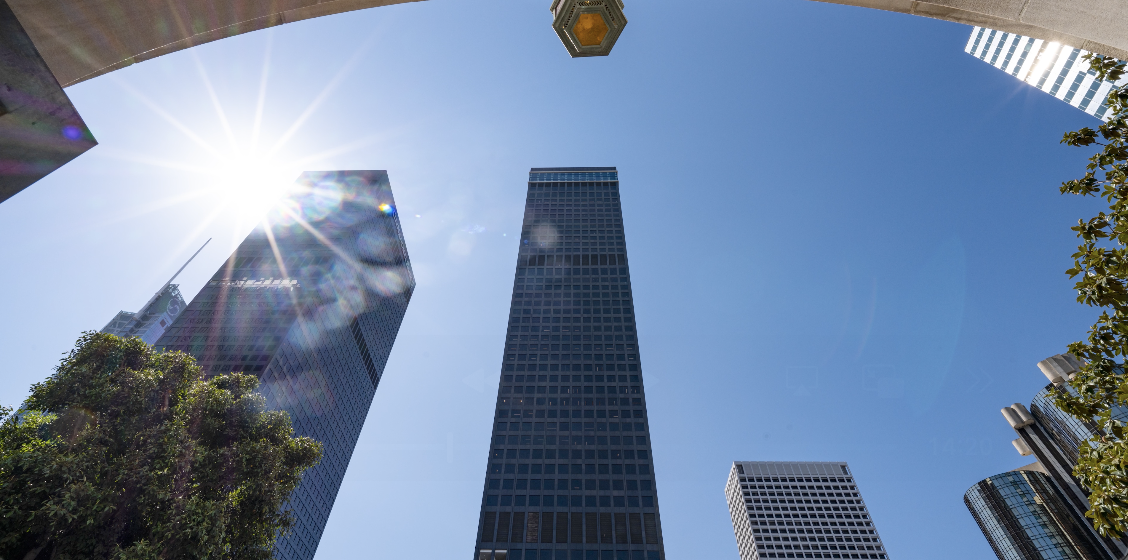
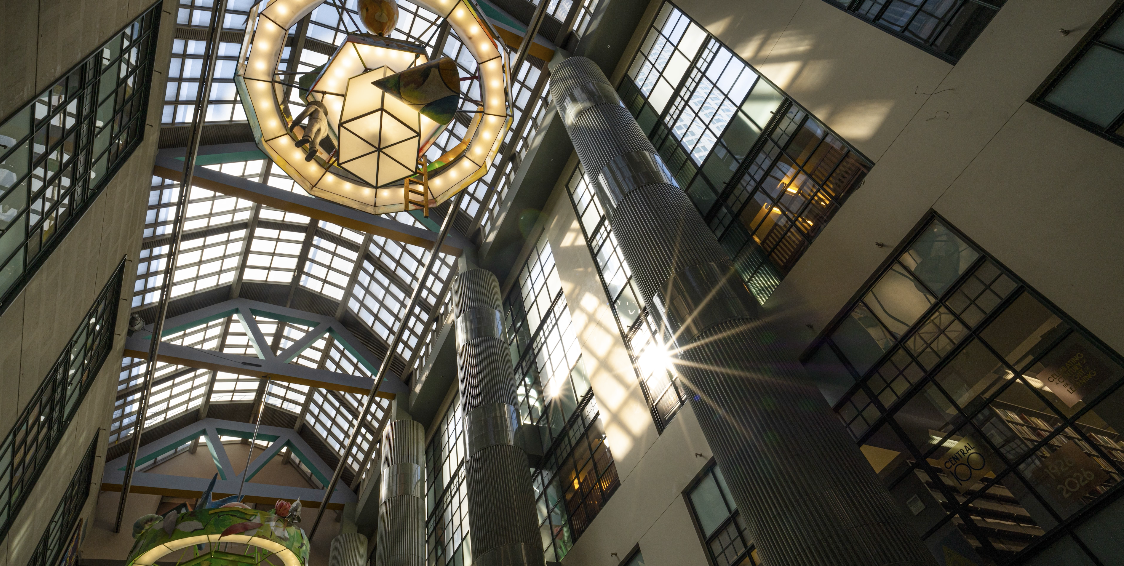
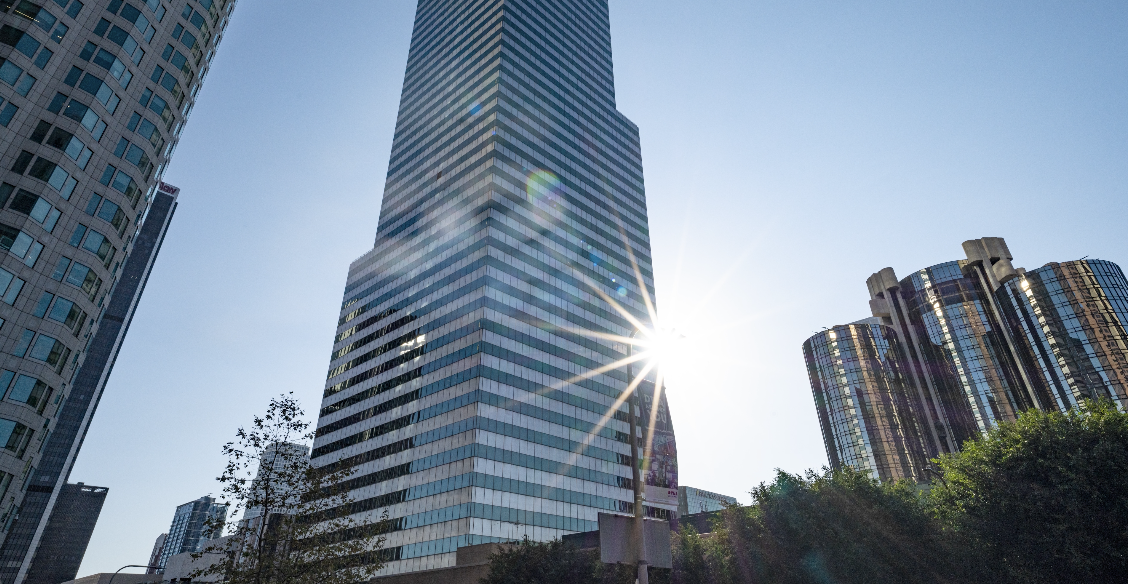
So, this lens has a 12 blade aperture. When you’re shooting any kind of landscape, I love to shoot into the sun as that sun’s coming up. I did a Thor’s hammer down in Bryce and you want that star. So, you got to shoot at f/11 or f/16. So, here’s some images just looking outside the library up at the sun. You see that aperture? The Sony has a nine and the Sigma has 11. I just shot some starburst outside. It has a lot of points because it has a 12 blade aperture. Some people may like less, some may like more. I’m not so sure that it really becomes a matter of a deal breaker on whether you buy a lens or not, whether it’s 9, 11, or 12. But I think the construction when you have more blades, it’s just a tighter aperture. It’s going to change the look of the bokeh for sure. It’s going to have a different look. We’ll take a look at that. Don’t get a lot of bokeh with a 12-20mm, but we’ll just see what that looks like. So, here’s some of those images with that 12 blade aperture. Just see how it makes that star look. It looks really cool.
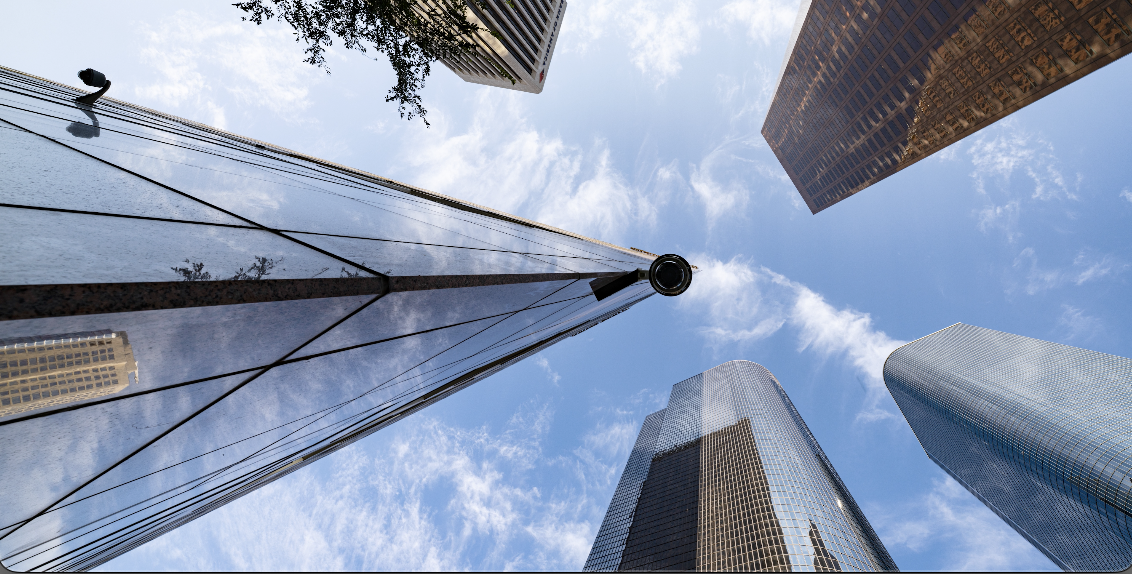
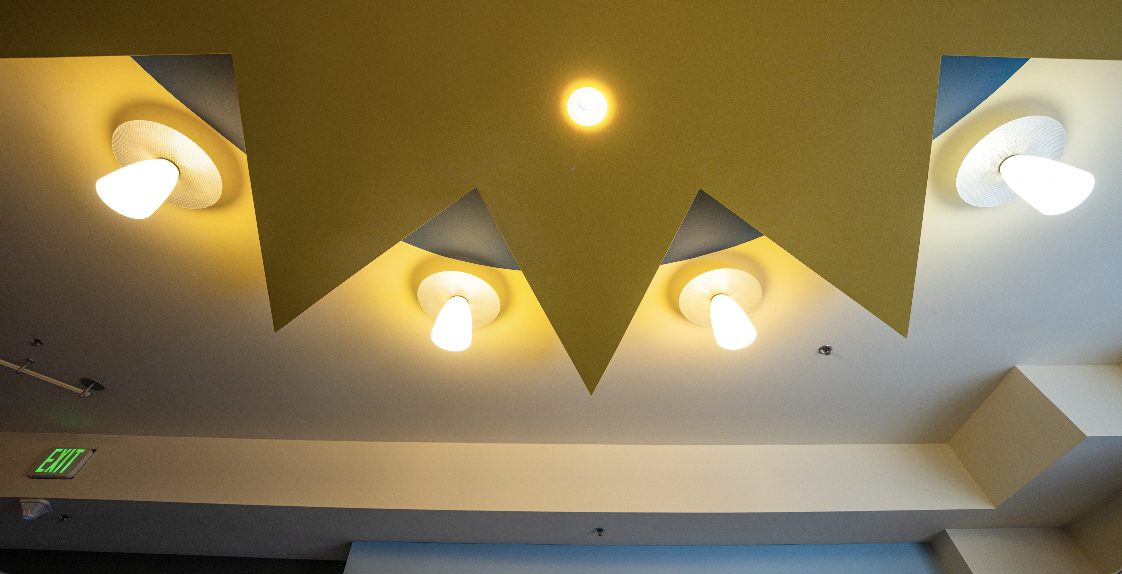
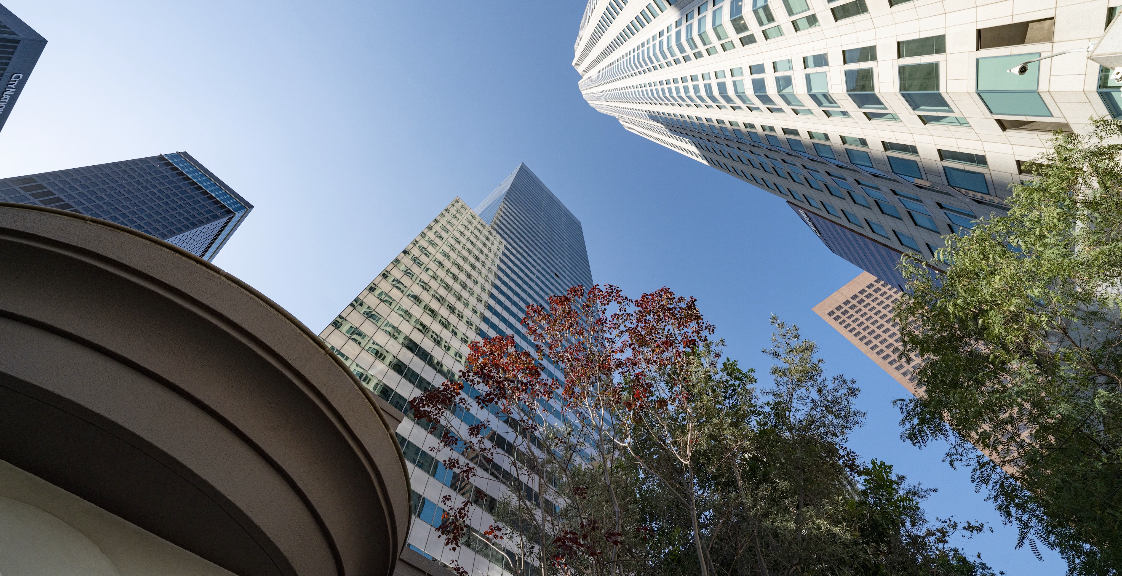
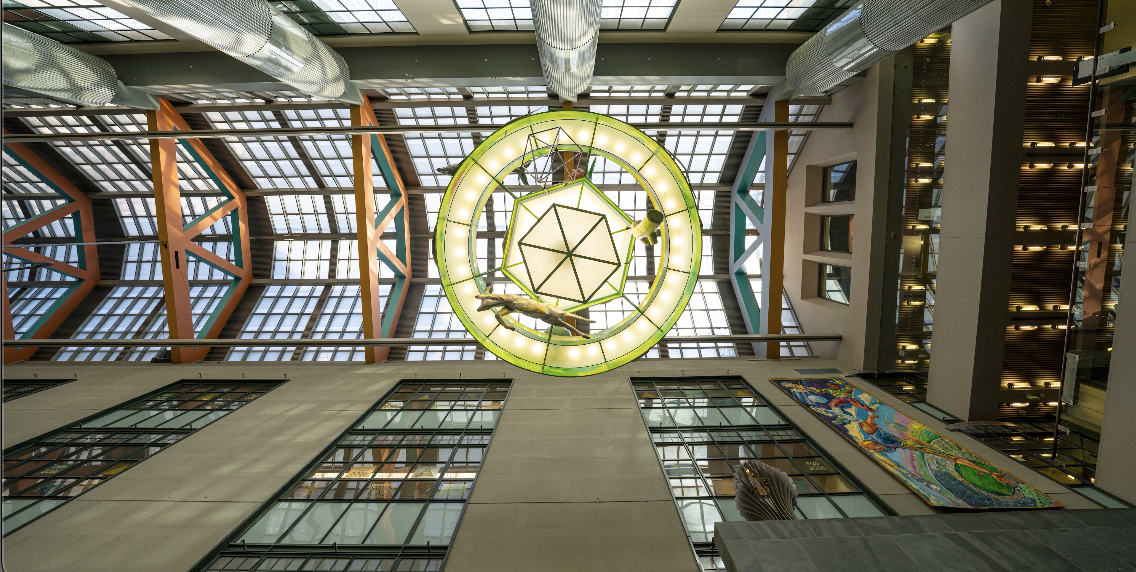
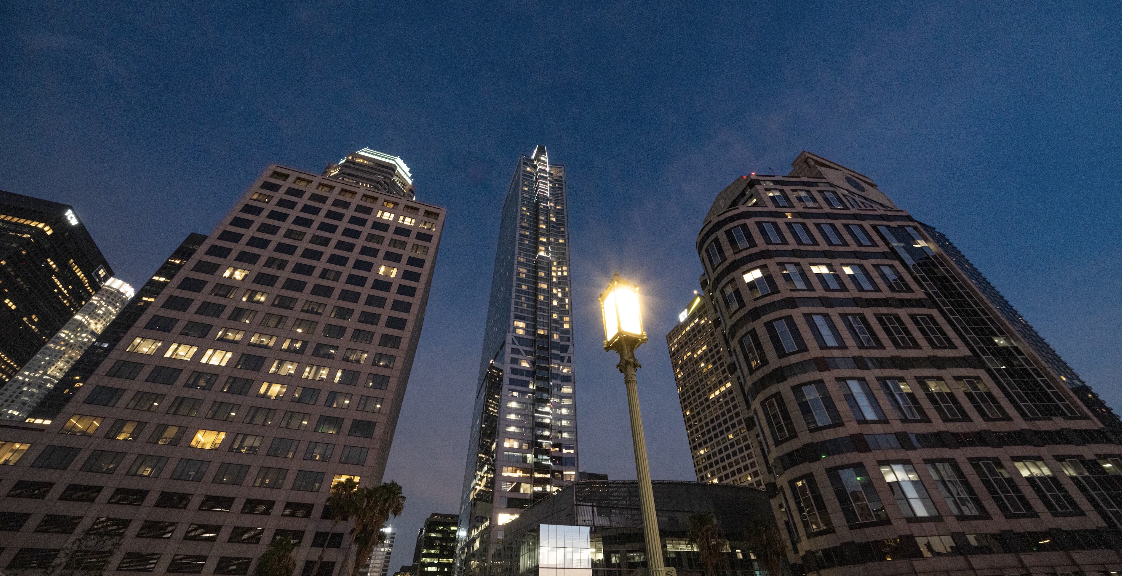
So, who is this lens for? This lens is for landscape because you get those wide views. It’s for astrophotography because you can lock the manual focus and you get those beautiful wide views. It’s for any kind of architectural photography like this where you’re going to be in tight spaces. You want to be able to see the entire interior, the exterior. I mean, I’m in those situations all the time where I can’t get across the street far enough to be able to get the whole building in. A 12-20mm is super useful in those situations. You know, it’s maybe a pro-sumer, you know, really serious hobbyist lens, but it’s a lens that if you really shoot very much, you’re going to want to have.
So both Sigma and Sony make a 12-24mm. So it is definitely a little longer lens. This is a 12-20mm. Would I like to have a 12-24? Absolutely. I mean that’s that end that is always nice. But the reality is you don’t pick this lens up because you want to be shooting between 20mm and 24mm. My experience is if you want to shoot a 24mm, get out a 24-70mm. But if I’m going to pull this lens out, it’s because I want to shoot on the wider end. I want to be in the 12 category. So, I don’t think it’s a huge disadvantage. But it would be nice. It’s always nice to have more. It’s not a dealbreaker for me because it doesn’t go to 24mm because I pick this lens up because I want wide. That’s why I pick it up. So, I’m going to be on the 12-20mm at the most. Last point on the 12-24mm versus 12-20mm, and that is that I’m shooting on a Sony a7R5. I can’t crop in a little bit? I mean, absolutely. I’m not going to lose anything because there’s so much, there’s so many megapixels in this camera that I I can get a look of a 24mm. I don’t have to have a 24mm.
We’re in one of the old rooms of the Central Library here in Los Angeles. I love these rooms. It’s got the Spanish style ceilings, it’s got these great old brass lamps. So, I did some focus breathing tests where I’m just zooming in and out while we’re doing video and it’s very minimal focus breathing. Just minimal. So, I was actually very pleased with how clean it was as you zoomed in and out. Certainly not something to cause a problem for you if you’re shooting video. And if you love anamorphic lenses, it’s way cleaner than any anamorphic I’ve ever shot, which is what they do. They bend. But this does not. So, very clean.
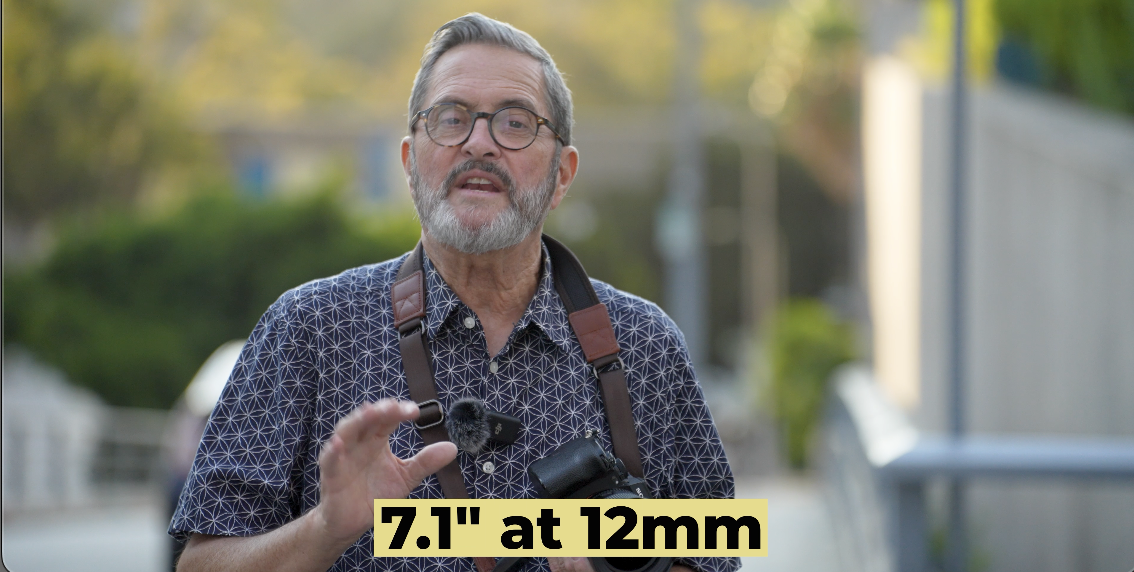
So, I’m always interested in the close focus distance. You know that I bring it up every time I do a lens review. This will get me to about 7.1 inches at 12mm. Which really, because you’re looking at the sensor, which is right here, to your subject matter, that’s pretty tight. In fact, it’s going to be hard to keep the shadow of this lens out of the way. But what it does open up is the fact that you can get in closer to things. You can get that really wide perspective on things that are close to the lens as it pushes away from you. I mean, it’s a great look. And this lens allows you to get close enough to be able to pull that off. Not a macro lens by any stretch, but it’s certainly a lens that gets you close enough to allow you to get that really great forced perspective.
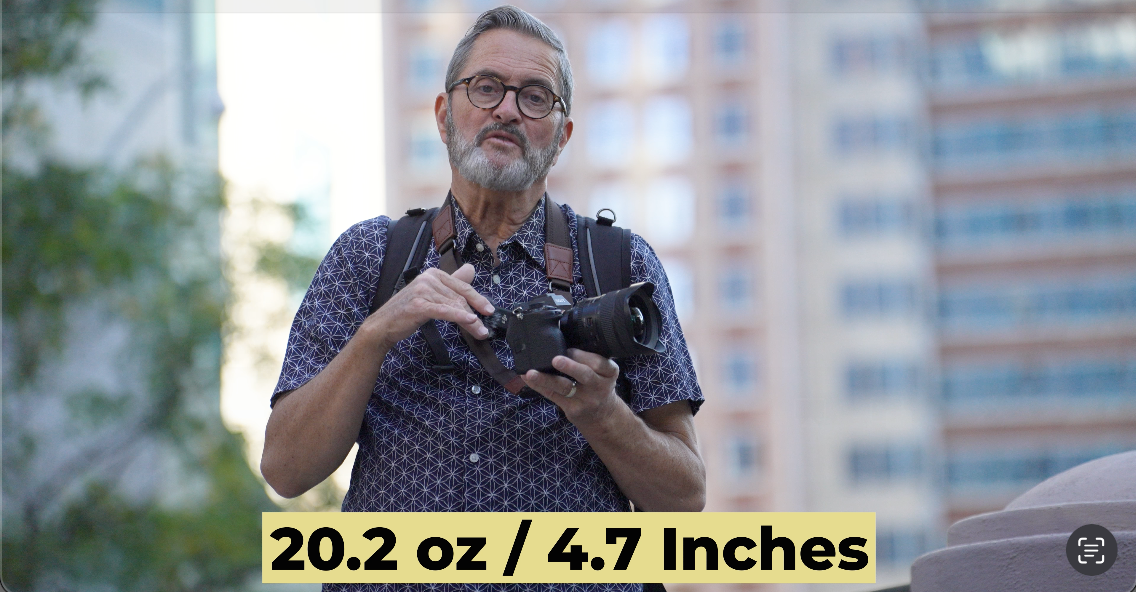
One of the advantages of this lens over its competitor is weight. It’s 20.2 ounces. It’s 4.7 inches, which really makes it lightweight. It’s the lightest weight in this category. It makes it easy to carry with you and still deliver the same kind of performance you’re going to get on some of those more expensive lenses like the lens from Sony or from Sigma.
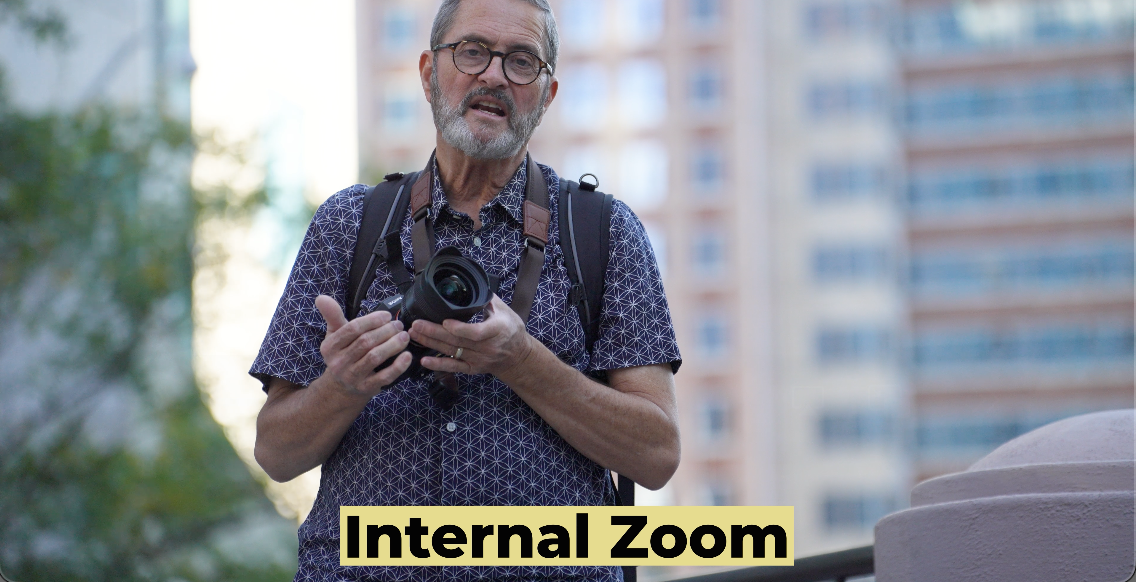
So, it does internally zoom. So, you’re not going to have as far as it’s not going to change the length of this lens at all. It’s all internal zoom, which makes it a very compact size. It’s not going to change.
So, this lens does flare just a little bit when I come across like the sun here. This is direct sun beating hard into the lens, that front element. I get a little flare. You see it kind of trail off. If you’re doing video, it kind of follows around the bottom just a little bit. So, it does flare some. I had a little bit of dirt on it. That was terrible. But, got to make sure you keep this lens clean or you’ll get that kind, you’ll pick up all that dirt on the front of your lens. But otherwise, there’s a little bit of flare. I mean, it’s not terrible, but it’s there. Is it a deal breaker because it flares a little bit? Not really. I mean, it’s just a little bit when you look directly into the sun. Otherwise, it’s pretty clean.
So, there’s several other features I just want to mention really quickly on this. Because it’s such a large element in the front, you can’t put filters on the front of this. You have to put filters on the back. And there is a filter holder, a little slide area here. They don’t make filters for it right now. I would guess that aftermarket wise someone’s going to make a filter for it. So, you can have ND filters and things you can slip into that holder, but for right now, you’d have to cut them out of gel if you’re going to put a filter with this. There’s no other way really to use it.
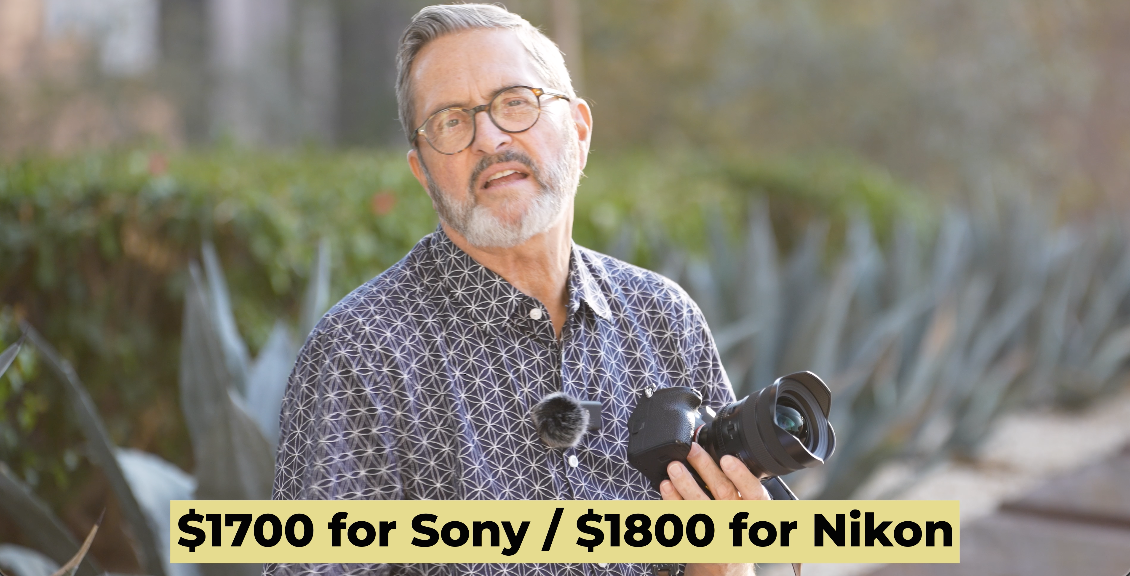
So, it’s about $1,700 for the Sony version, about $1,800 for Nikon. Sorry, Nikon. It does have this what they’re calling the next finish, which is just a more kind of a not matte, there’s a little bit of sheen to it. So, it’s just kind of the next look as far as the Tamron lenses. I think it’s a beautiful lens in that it just looks like a higher end lens to me. Lightweight, compact, great range. I think it’s just an excellent offering in that way.
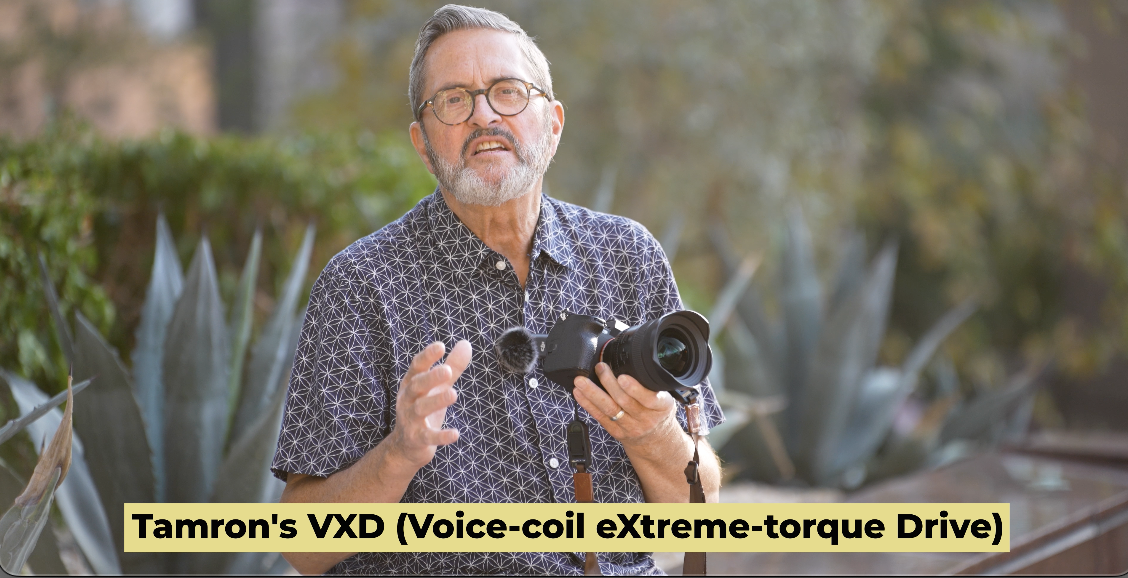
So, the autofocus on this is seamless as it is on all the Tamron lenses. You’ve got that voice coil, extreme torque drive. It’s a very silent autofocus motor that allows you to move the focus quickly from one point to the next and it is quiet. It’s quick. It does everything that it’s supposed to do. And it certainly works extremely well in this 12-20mm.
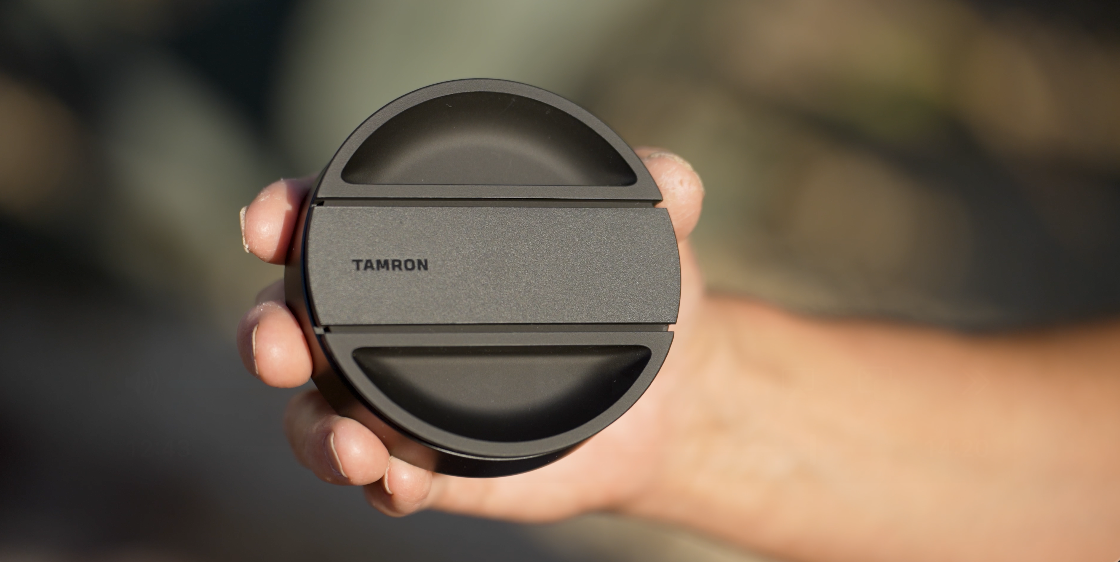
So, Tamron’s made a really great lens cap for this lens. It’s got deep, kind of recesses so you can grab a hold of it real easily. Just a nice branding from Tamron. But if you lose this thing, you’re going to have to buy one. I mean, you’re not going to find an aftermarket one that’s going to work on this lens, but I think it’s a great lens cap.
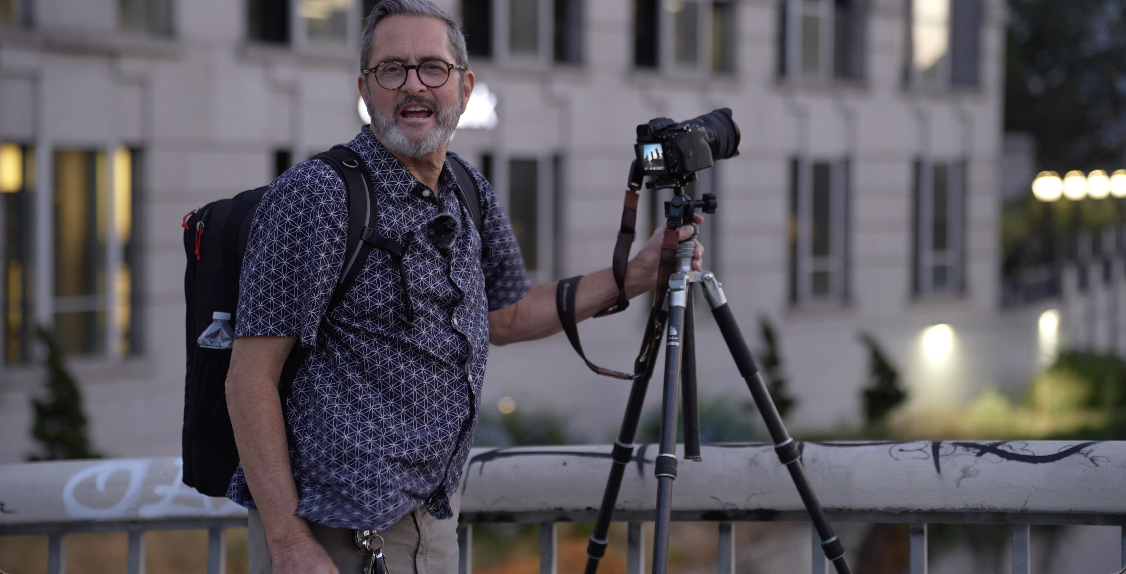
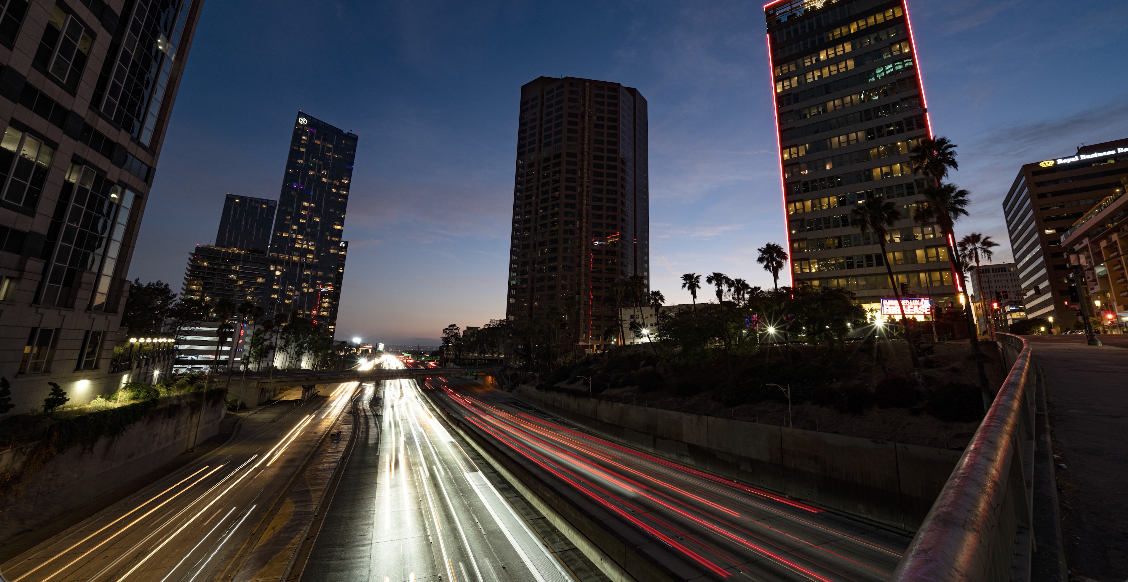
So, we’re down here on the Third Street Bridge. I wanted to shoot some kind of a landscape-ish cityscape shot with the 12mm. I see all these buildings. We’re going to see the sun go down and lights come on in the buildings. It’ll be a fun shot. So, we’re going to shoot away. Here’s some of those images.
Let me wrap this up. I’m thrilled that Tamron has given this 12-20mm lens to us for a full-frame sensor. I’ve wanted this lens forever, but I don’t want to spend $3,300 to buy a G-Master. It’s just not worth it to me because I don’t use it that much. But I use it enough that it’s certainly worth $1,700 to me. And especially where it’s sharp, the autofocus is fast, it’s got all the features on the lens, which allows you to customize it. It’s a high-end professional lens at a price that makes sense. I can put it into my kit and it becomes really a workhorse tool for me if I’m doing astrophotography, landscape, group shots. I mean, there’s so many different things. I think it’s a great offering. I look forward to seeing more lenses in this kind of style in the future from Tamron. I think it’s the dawn of a new age and an excellent offering, the 12-20mm f/2.8. So, you keep those cameras rollin’ and keep on clickin’!