


(If you want to watch the video go to The Slanted Lens on YouTube!)
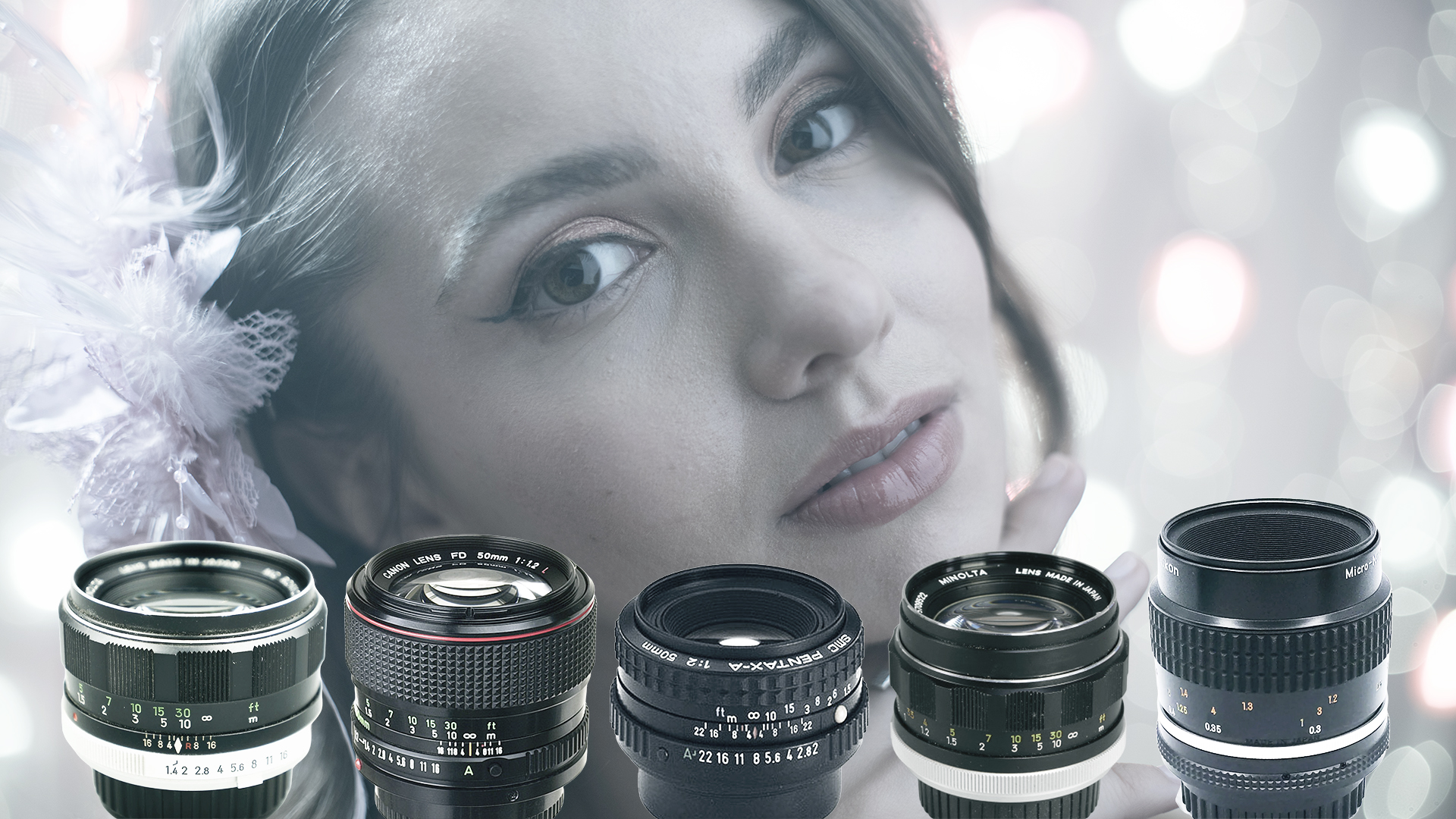
Today on The Slanted Lens, we’re going to take a look at some vintage lenses that were made long before Sasha was born. These are 70s lenses, great film lenses in the era when it was all mechanical, no autofocus here, and just beautiful, beautiful glass. Everything from Canon FD lenses to Nikkor lenses to Pentax to Minolta. 
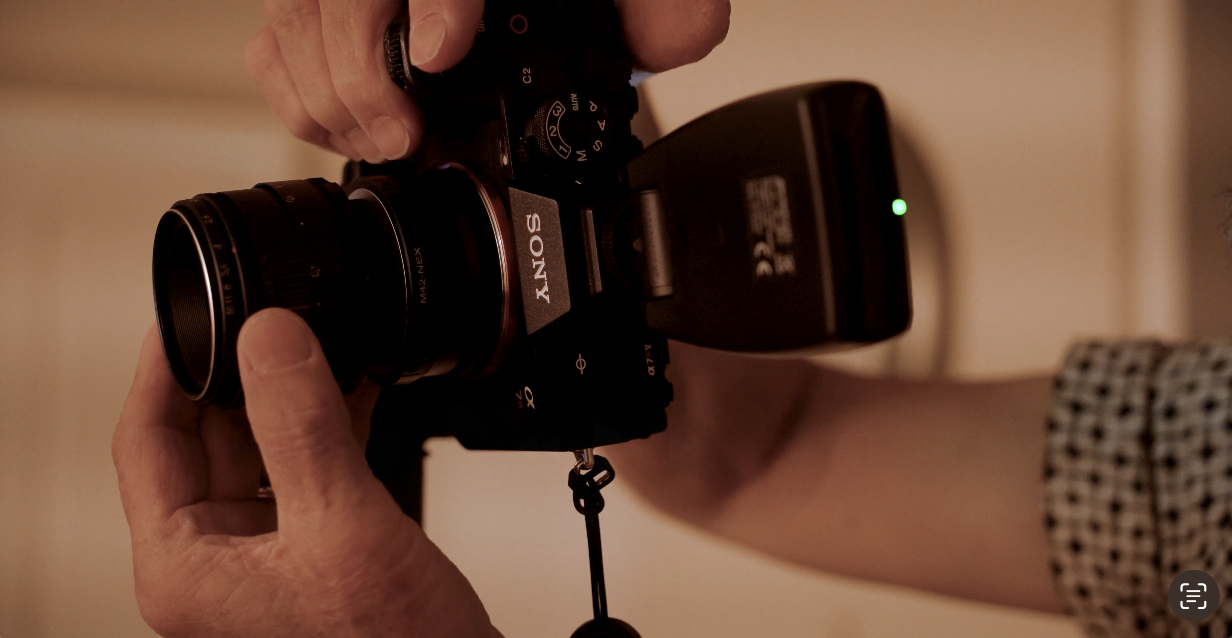


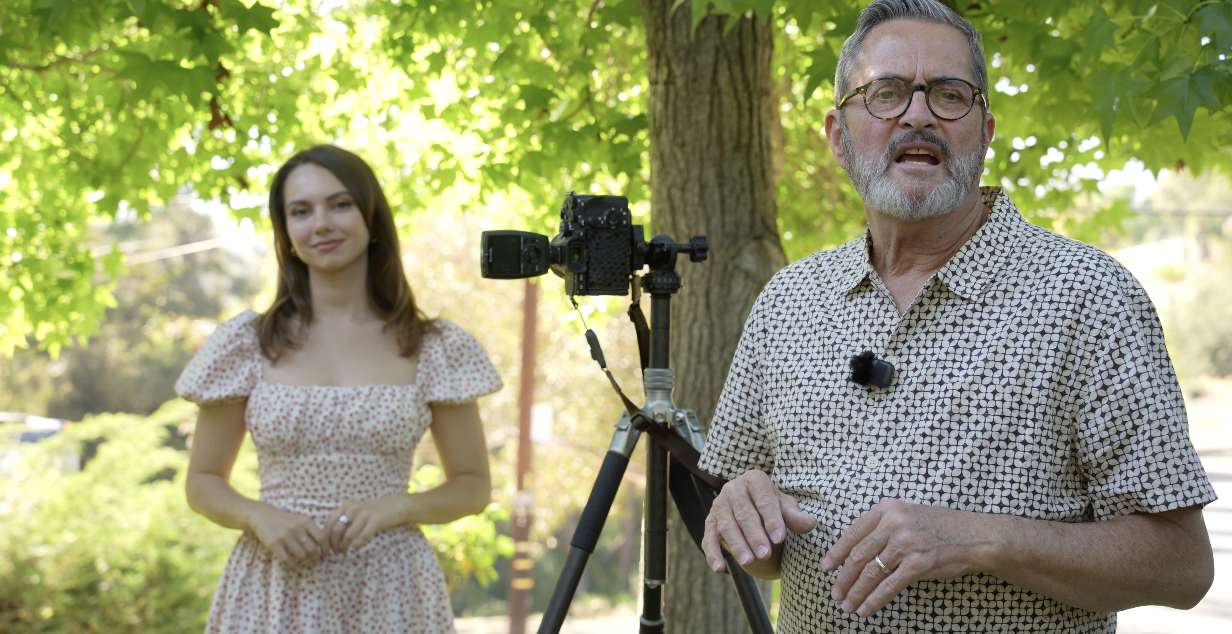

So, in this first setup, I want to see natural light. I want to just see beautiful natural light and clean color so I can see exactly what these lenses look like. We’re going to look into the beautiful bokeh here behind us in the tree and use a strobe light just to get a little light on Sasha’s face. 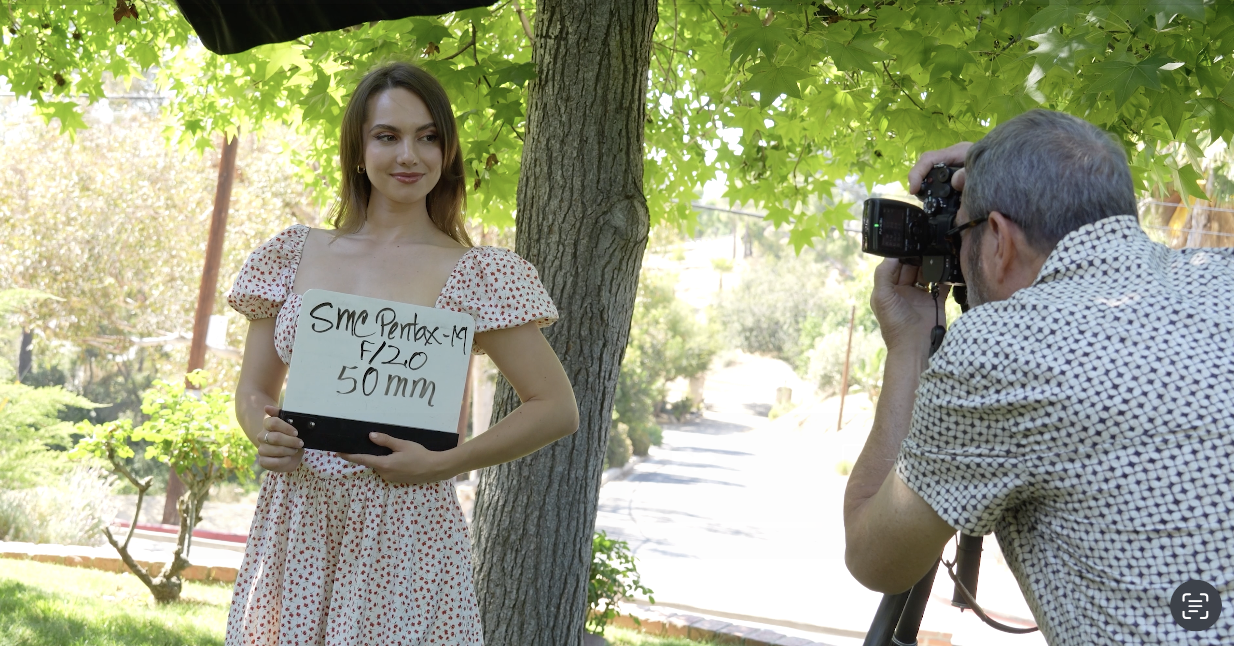
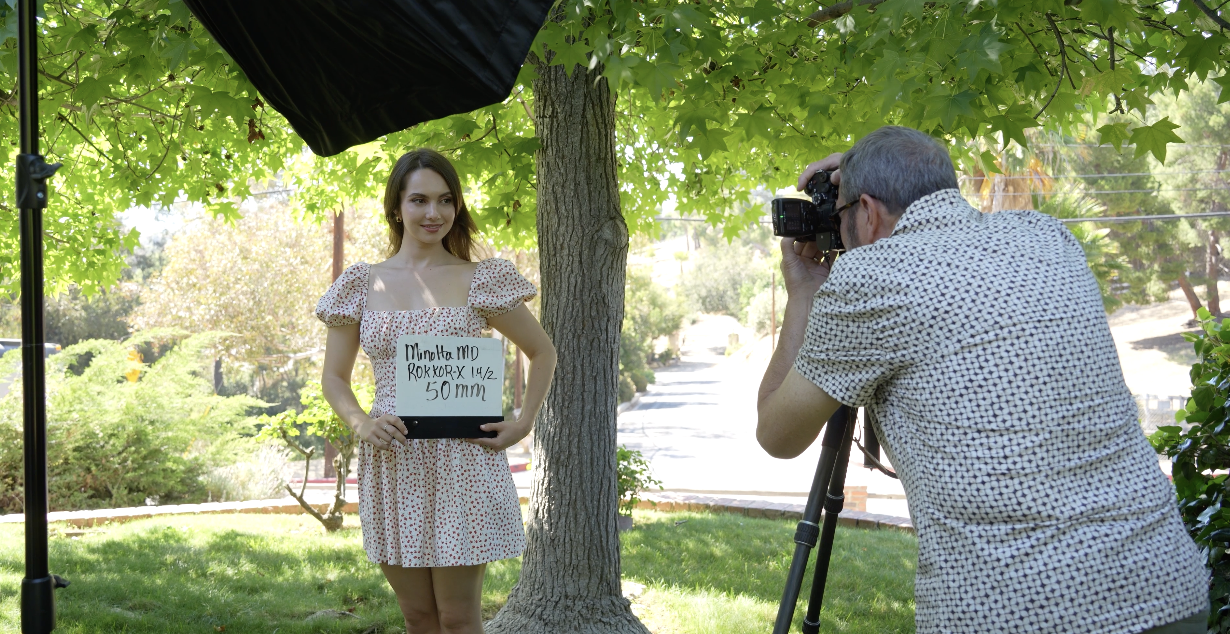


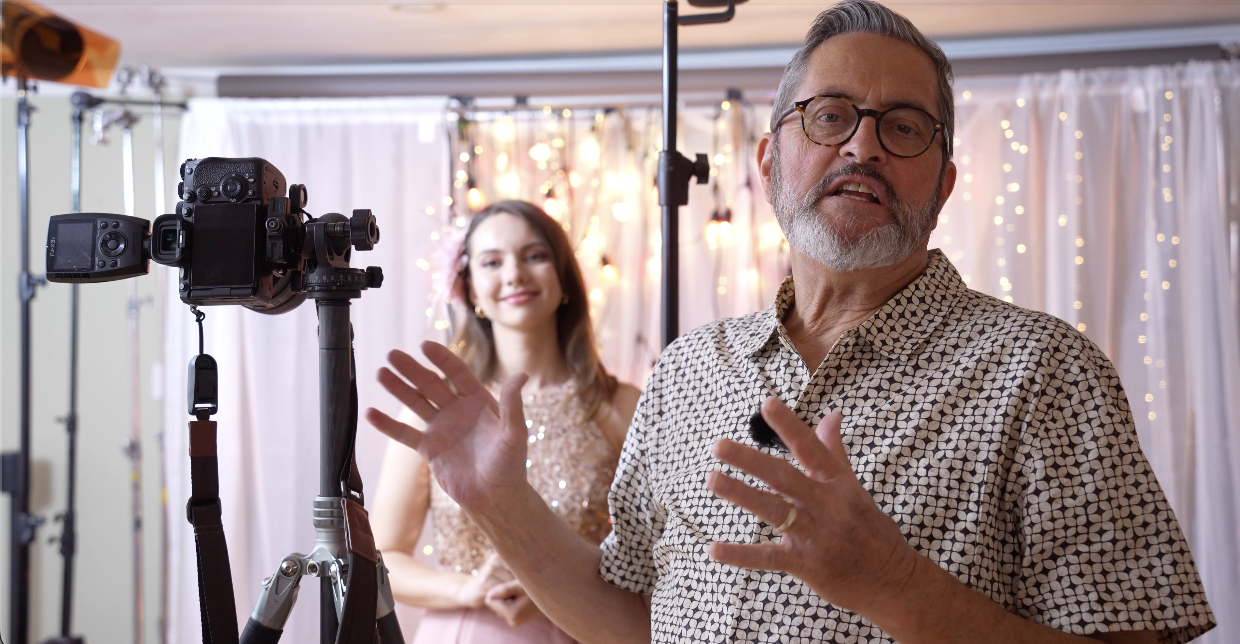

Now, we’re going to shoot each one of these lenses inside in the studio. I forgot to mention outside, I am using a Sony G Master 50mm. 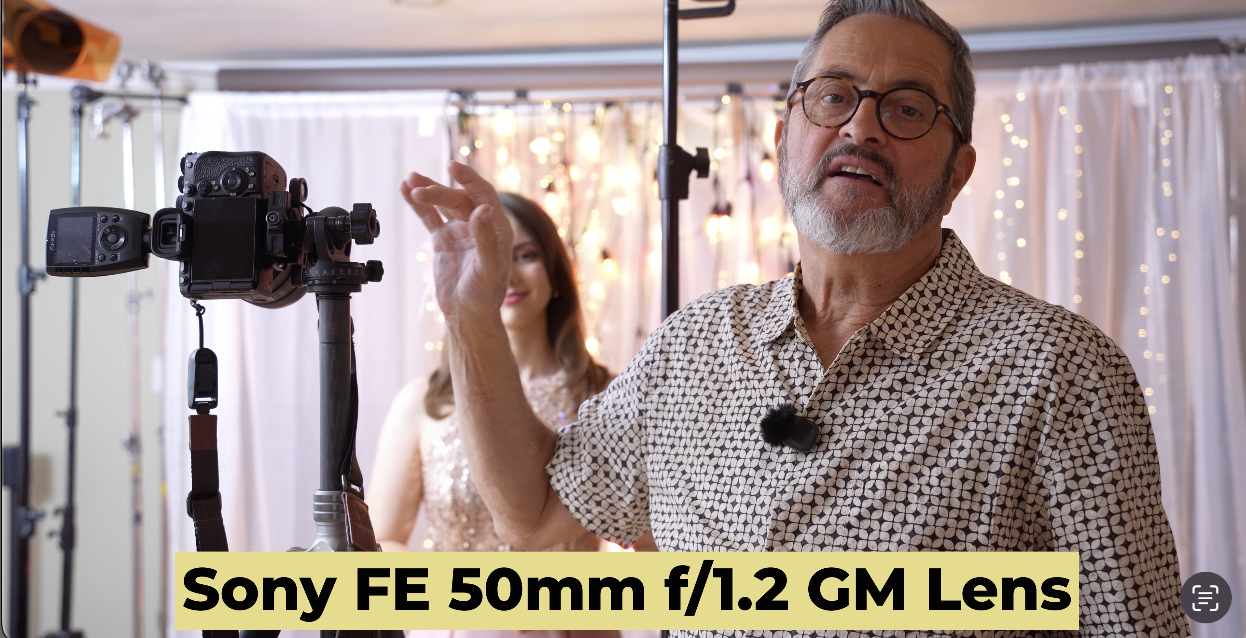

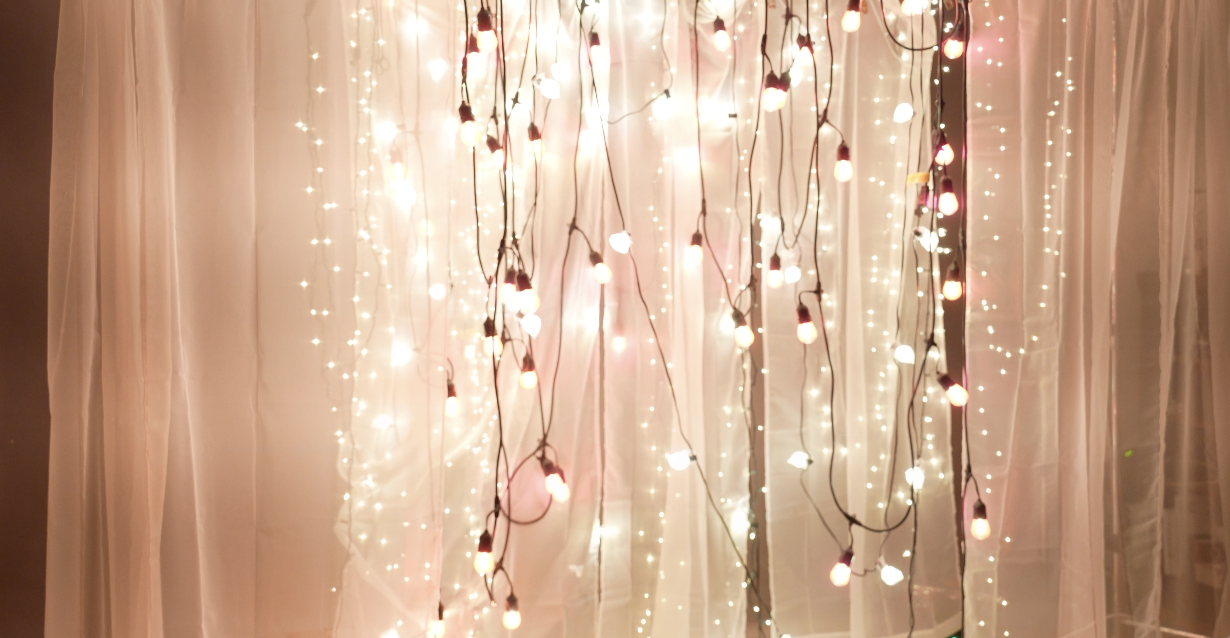

So, we do have several different colors of light going on here. We’ve got the twinkle lights. We’ve got kind of midsize and larger twinkle lights or background party lights, whatever you call them. Then we got strobes. I do have a warmth on the strobe that hits the side of her hair. 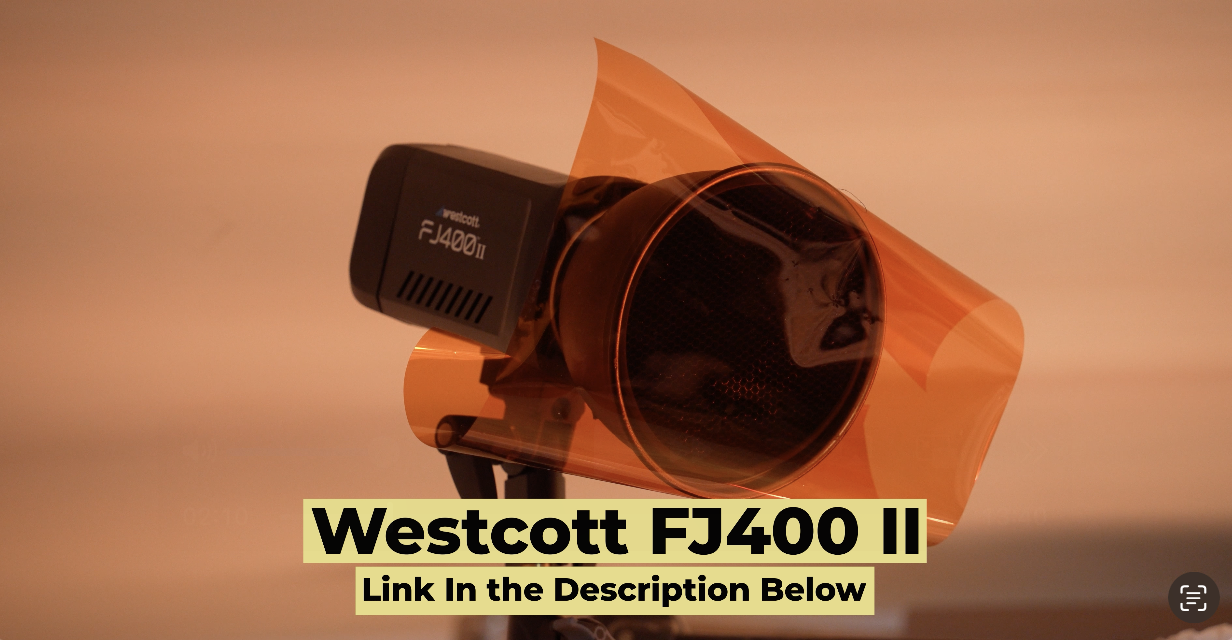

(Westcott FJ400 II) So, there’s a full CTO on that. So, it’s a little bit warm on her hair, but her face should be clean light. Just clean butterfly up front to open up the light on her face. And just should give us a good clean look at her face and just see how each one of these lenses are going to react with the skin tone. 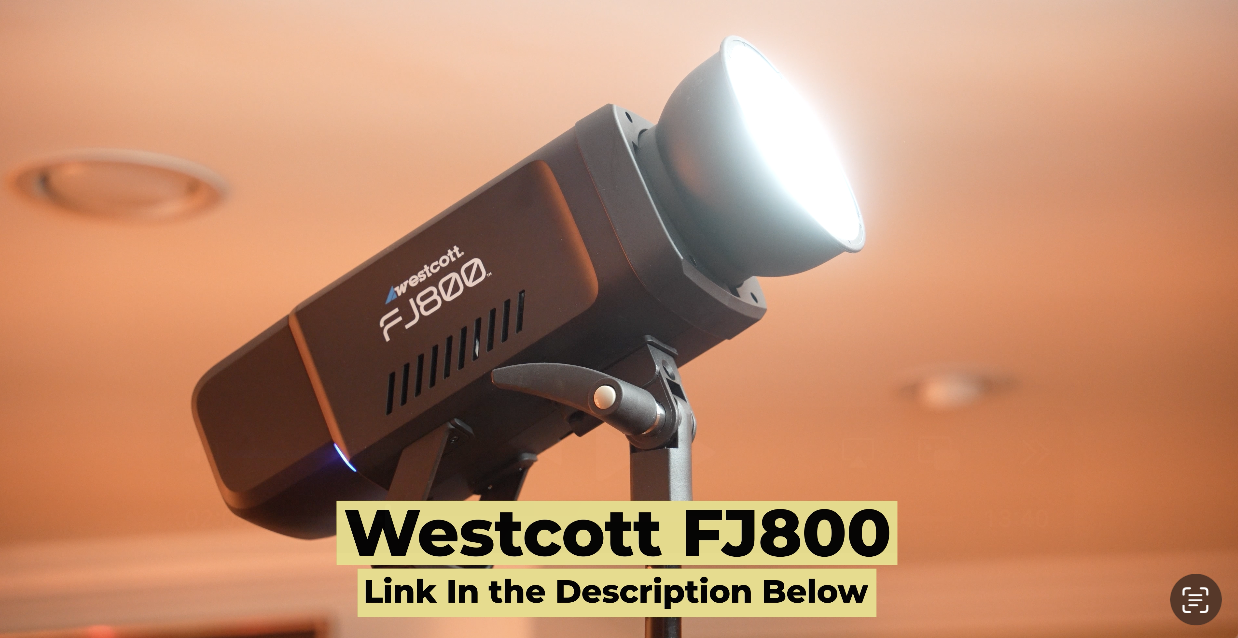

(Westcott FJ800 Strobe) So, let’s just shoot through them and just see what we got. I think it’s fun to compare. Then I’ll get back to the computer, put them up, and we’ll compare them and see what we got.
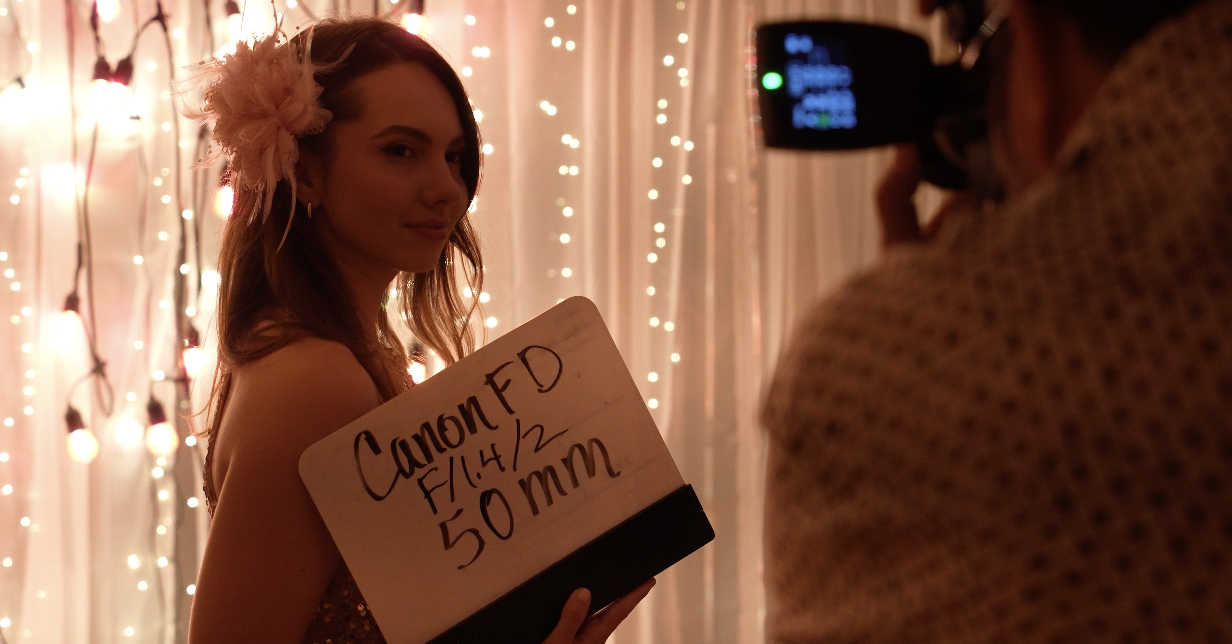

All right. So, we’ve shot these lenses outside and we shot them inside in order to compare them. I’m not an expert on lenses, so this is the best way for me to look at what is the look that I like, what is pleasing about each one of these lenses. 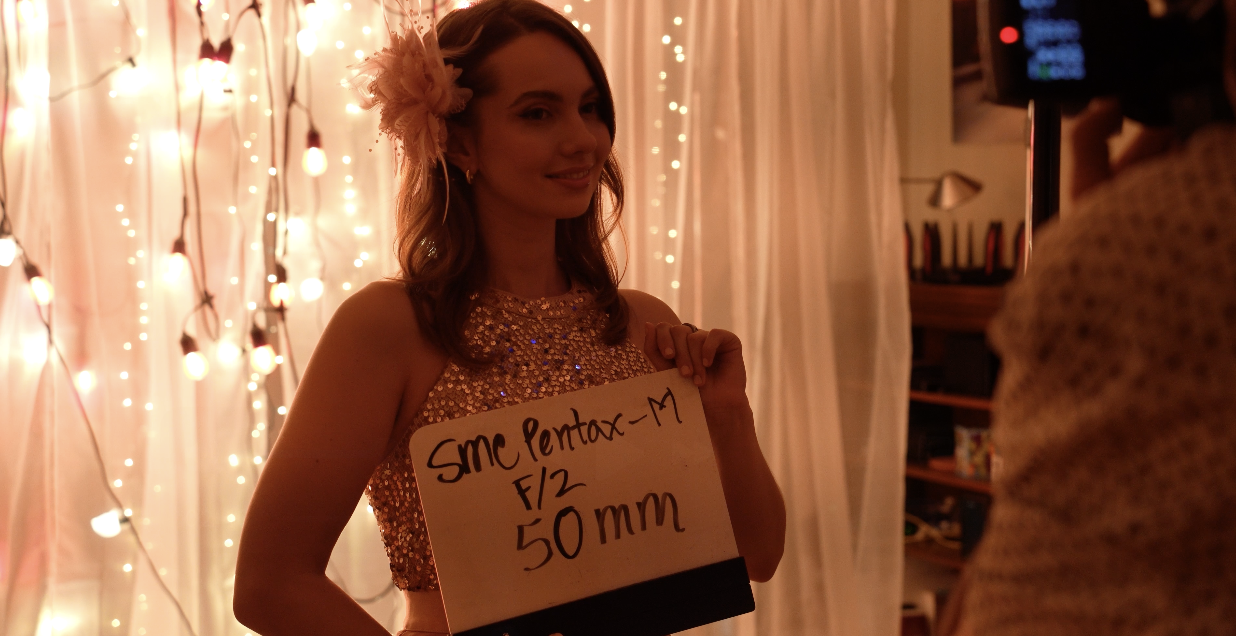

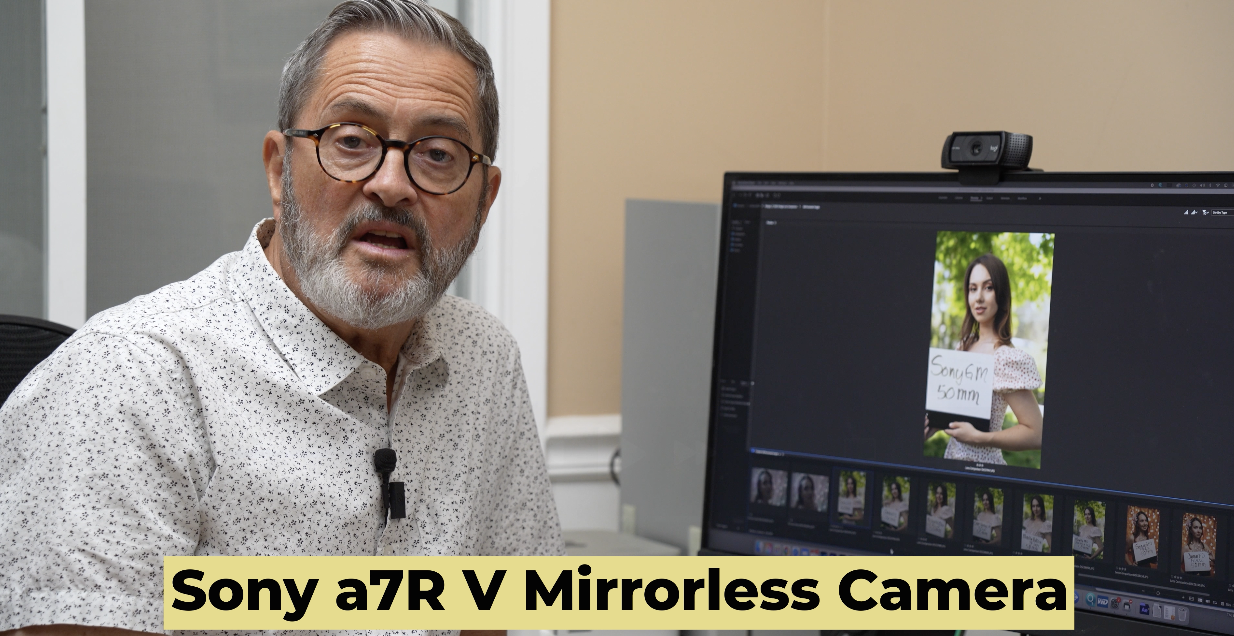

So, they’re all being shot on a Sony a7R V. So, we’re looking at them on a modern sensor. I’m going to put a Sony G Master 50mm up there just to start off to look at and just to see that as a comparison, as kind of a starting point so we can look at these lenses compared to that Sony 50mm and just see how they compare. Obviously, if you shot these lenses on a film camera, on a good Portra 400, they’ll even look more vintage. They look beautiful with that Portra 400. The color rendition is absolutely gorgeous on a lot of these, especially the Canon FD lens. And also, I think the 58mm Minolta is pretty gorgeous when you look at it on a Portra 400 film. But right now, we’re going to look at it on a modern day sensor using different adapters so that they’ll shoot, they’ll adapt to the mirrorless camera. So, let’s just get started. Let’s take a look at our first one.
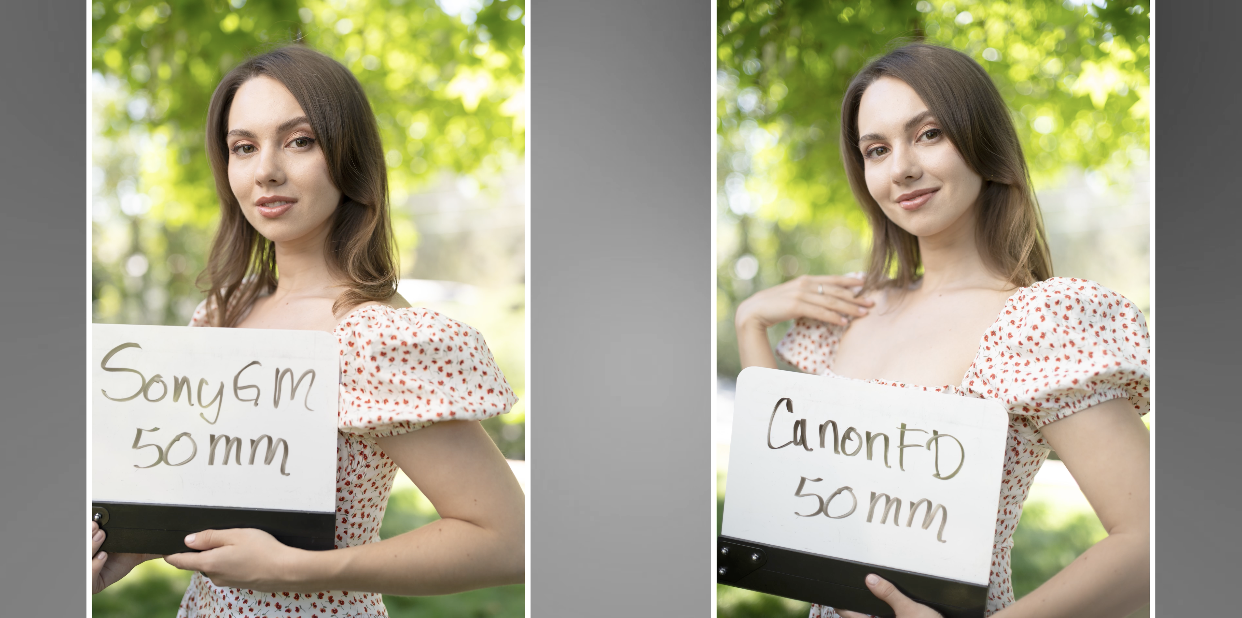

So, this is our Sony. This is the Sony G Master 50mm. And obviously I started with what a lot of people consider probably one of the premier lenses. Cinematographers adapt these, have them rehoused to be able to shoot. And that is the old Canon FD lenses that have the S.S.C. coating. And that S.S.C. coating gives you a nice warm look. It’s a beautiful look. They flare because they don’t have the anti-flare coatings. So, they look beautiful when they flare, which is something you’re not going to get on that G Master. It’s not going to flare very easily. But if you look at this, just the bokeh on these things are pretty similar, but there’s that Canon FD lens. And you see it almost immediately, I see just a little crunchier contrast with that FD lens by Canon. It just has a little heavier blacks. It has that kind of heavy black contrasty, highlight in the skin. It’s just a really beautiful look. It has a very beautiful vintage look. So, there’s that Canon FD 50mm lens. I think the bokeh is beautiful.
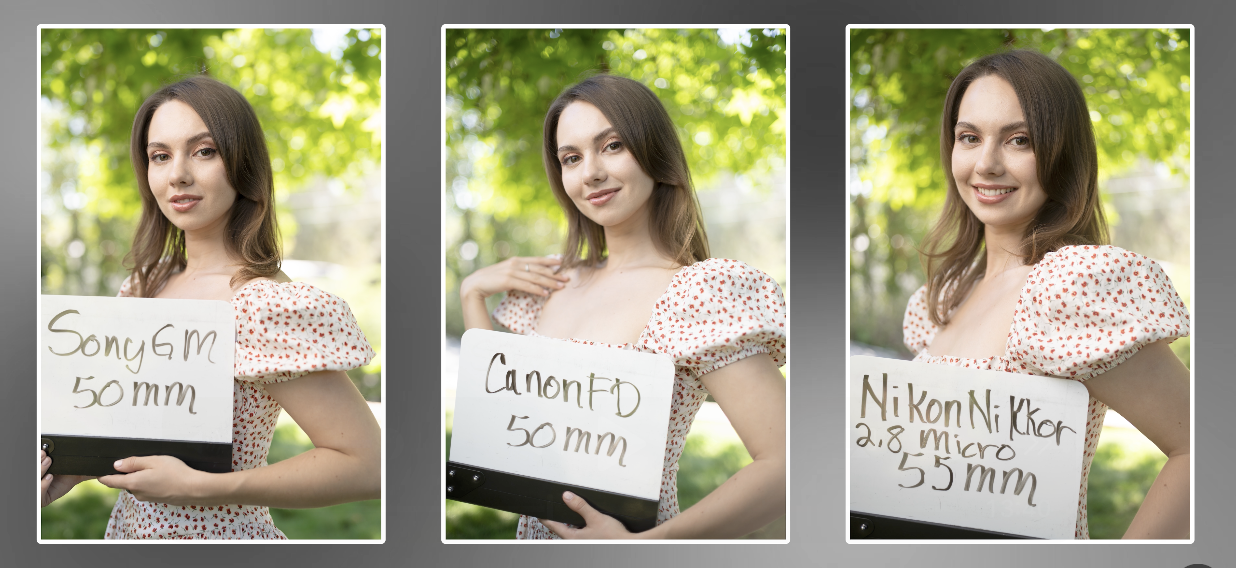

You know, a lens I’m going to add a lens here that I shot on a lot in my career. It’s a lens that I bought. It came with my camera and didn’t come with my camera, but I got early on with my camera. And that’s a Nikkor 55mm macro lens. You know, I love the skin tone with this lens. It’s just a beautiful lens. It’s f/2.8. It is a macro lens, so it’s the image where she’s a little larger in the frame because of that f/2.8. But look at the bokeh in the background. It’s a lot more that kind of football kind of look in the background. So it doesn’t, it doesn’t have as beautiful a bokeh in the background as you get with the Canon FD lens. Just a little better looking bokeh. And the color rendition doesn’t have quite the contrast you see with that FD lens. It’s actually a little less contrast. It’s a pretty nice look. So it just depends on exactly what you like and what you’re looking for. But that Nikkor 55mm I think has a beautiful look as well.
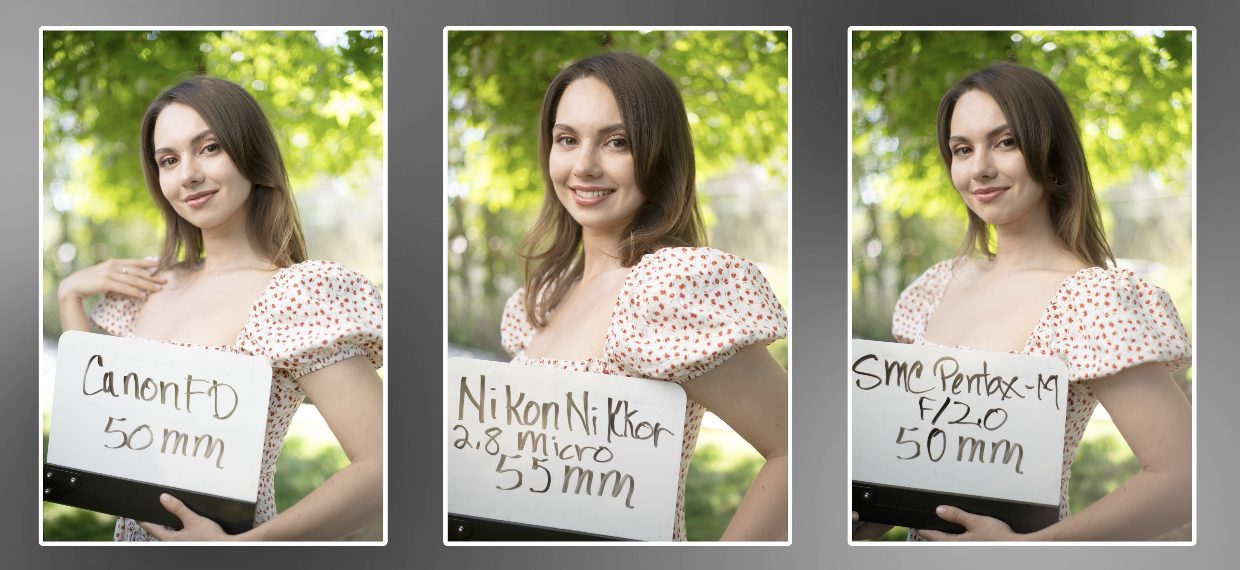

I’m going to get rid of the Sony and let’s add now a Pentax. This is a Pentax 50mm. This is a Pentax M. It’s an f/2.0 lens. Again, it has a very similar kind of bokeh that you get with that Nikkor. The background renders really beautifully, but it’s just kind of a more of a football bokeh. It doesn’t have that beautiful soft bokeh you get with the FD lens. The one thing you do get though is a little heavier contrast with that Pentax lens. The blacks are starting to be a little heavier. And the contrast is a little heavier, but not necessarily in as beautiful a way. I don’t think it renders quite as pretty as you get with the FD lens. And I actually like the Nikkor better, but let’s just keep pushing on here.
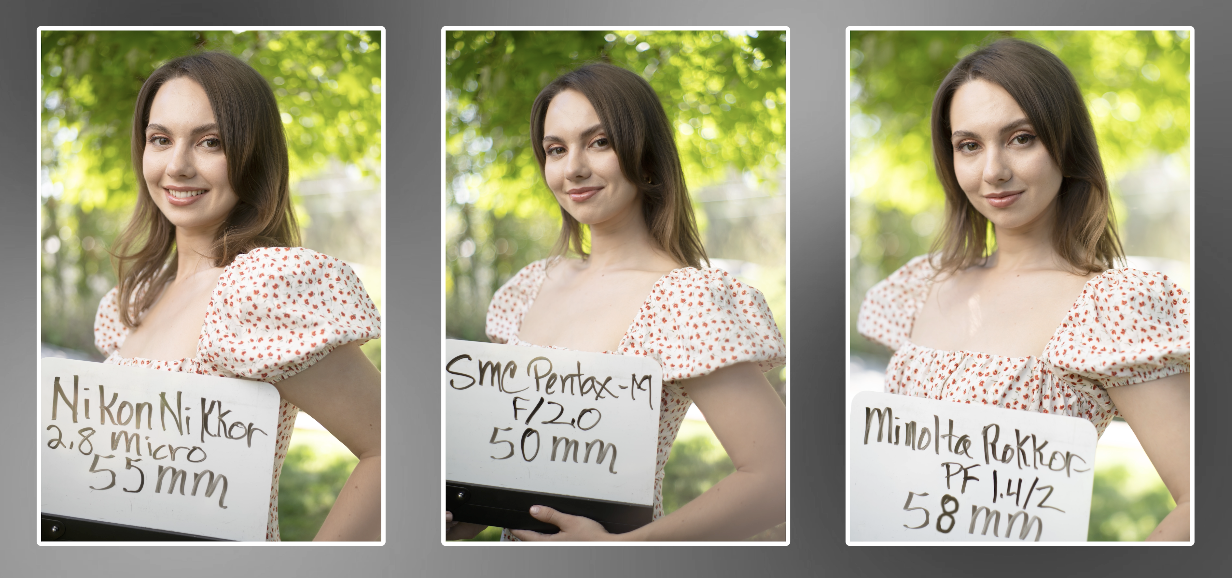

I’m going to pull the FD off. There goes the FD. It’s going away. And now we’re going to add the, I think this is one of my favorite lenses and it’s really not one that people talk about very much or gravitate to. But this is a Minolta Rokkor PF. It’s an f/1.4. It’s a 58mm. Now it’s a little unfair because it is 58mm versus 50mm. So you see she’s a little larger in the frame, but look at that background. The way it renders, it’s just this beautiful rendition back there. And that’s partly because it’s a little longer lens, so things are falling out of focus a tiny bit more. But, you know, that’s not that much difference. It just has a very beautiful soft look. It has that really nice contrast. Looks very similar to the FD lens. 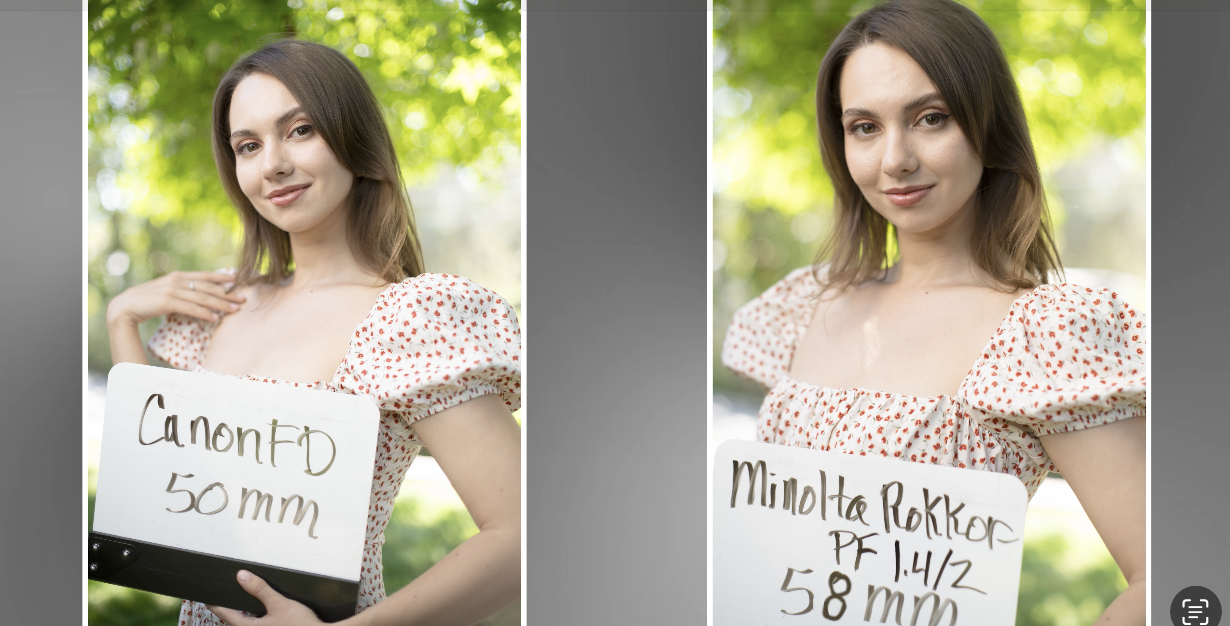

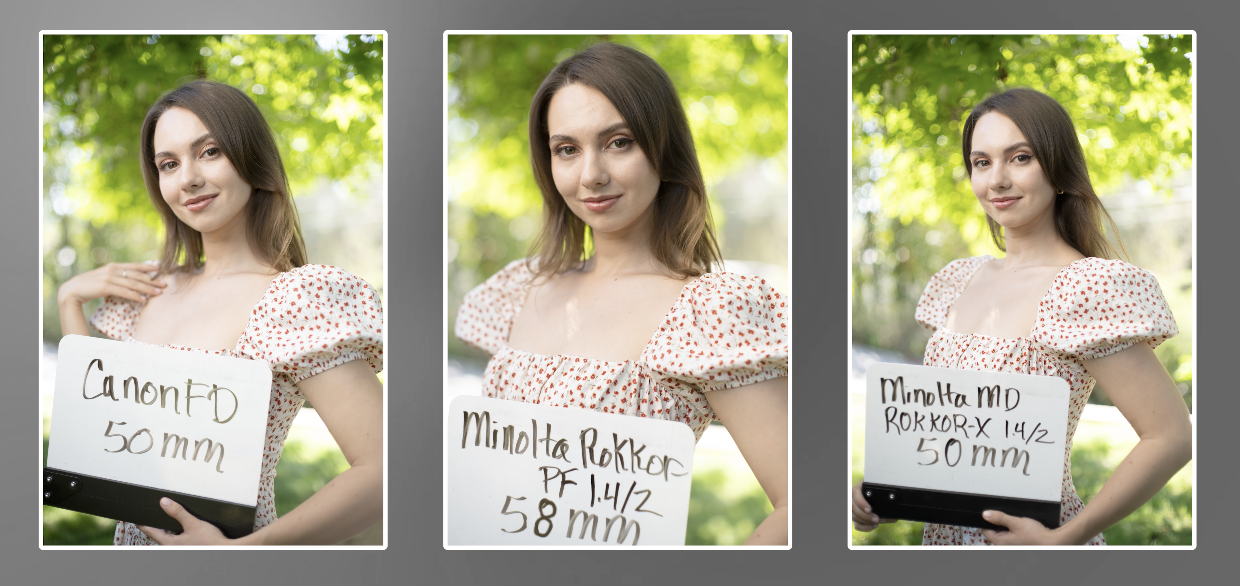

So, we’re going to add one more on here. This is more of a modern lens. Most of these lenses at this point have been more like 70s, late 60s, early 70s. But now when we add this next lens, this next lens is really, this is a more modern lens. This gets into the late ’70s. And it’s an MD lens. It’s a plastic lens. It doesn’t have metal housing like the Rokkor PF or the FD lens. But it’s, I mean it has a pretty look. Do I like it as much as what I get with…? No. It’s not in the same category. Not in the same category. Not at all.
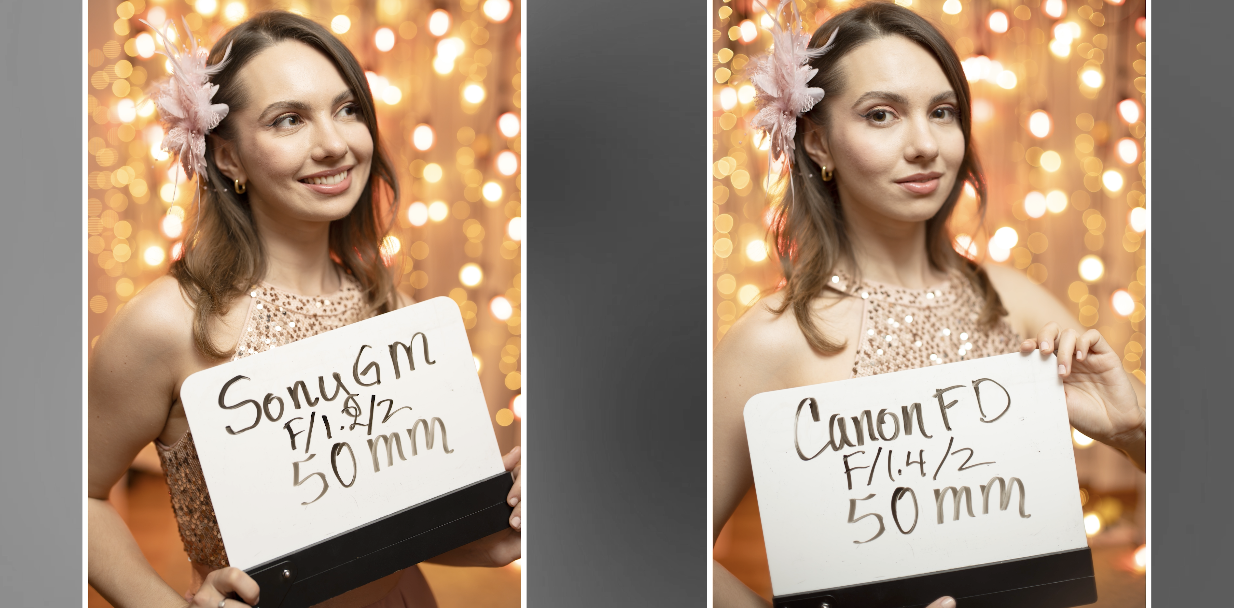

Let’s push on. Let’s look at these inside because now if we look at this inside, there’s our Sony inside. And if we look at this with the FD lens, this is more, this is a strobe setup. So, it’s all lit with strobe. You see the blacks the way they render here. You see the contrast in that FD lens. I think the FD lens has a really pretty look. It’s not that off from the Sony. So again, you get that nice black. 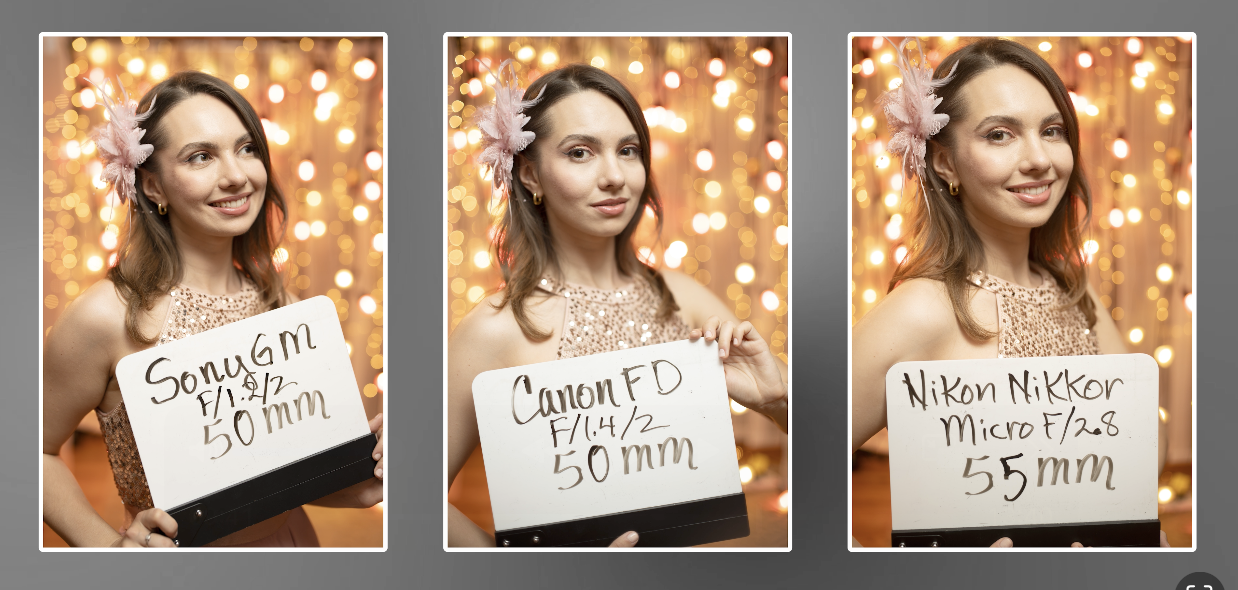
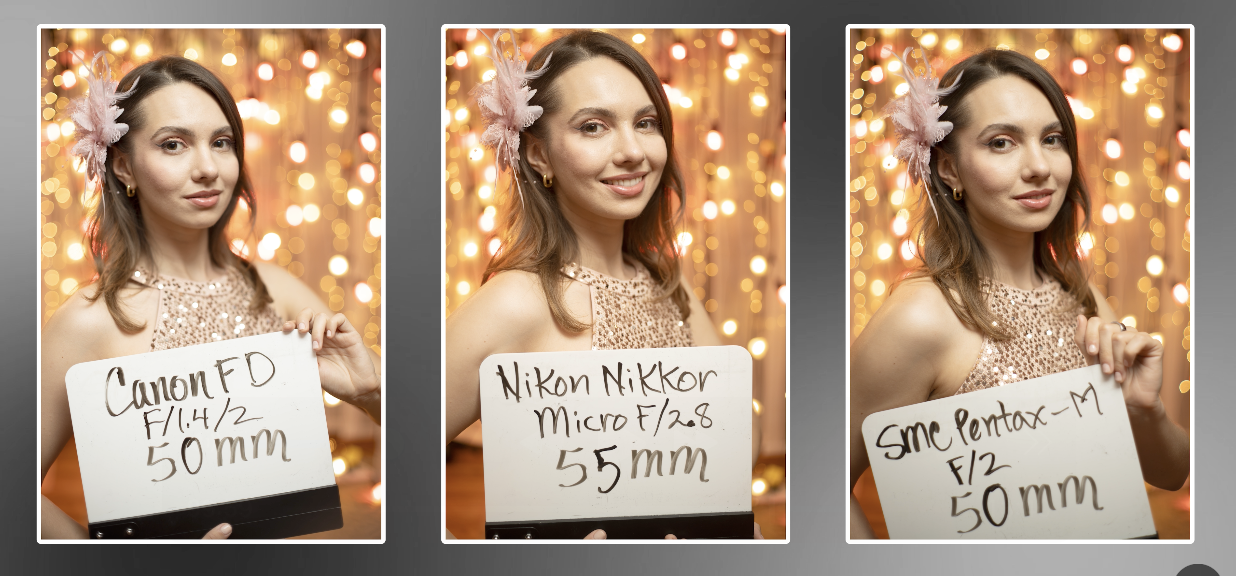


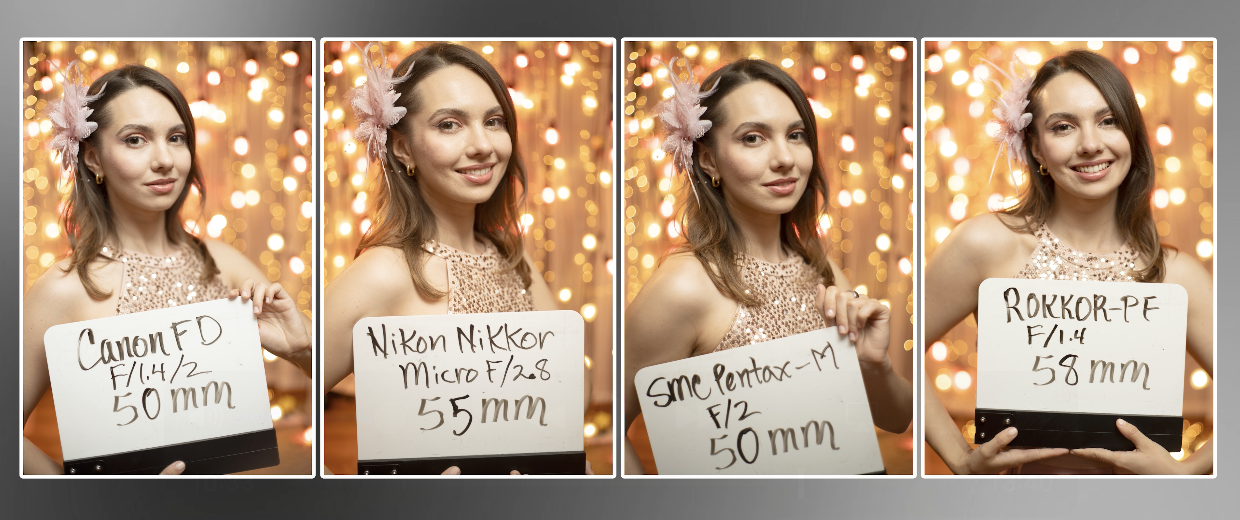

But let’s look at that what I feel like is kind of a dark horse here, but a beautiful lens. And that is that Rokkor PF lens, a 58mm. You just see how this thing from edge to edge just has a really beautiful rendition of the bokeh in the background. I love the contrast on her face. The way it renders the shadows, the blacks. You look at those two and compare. 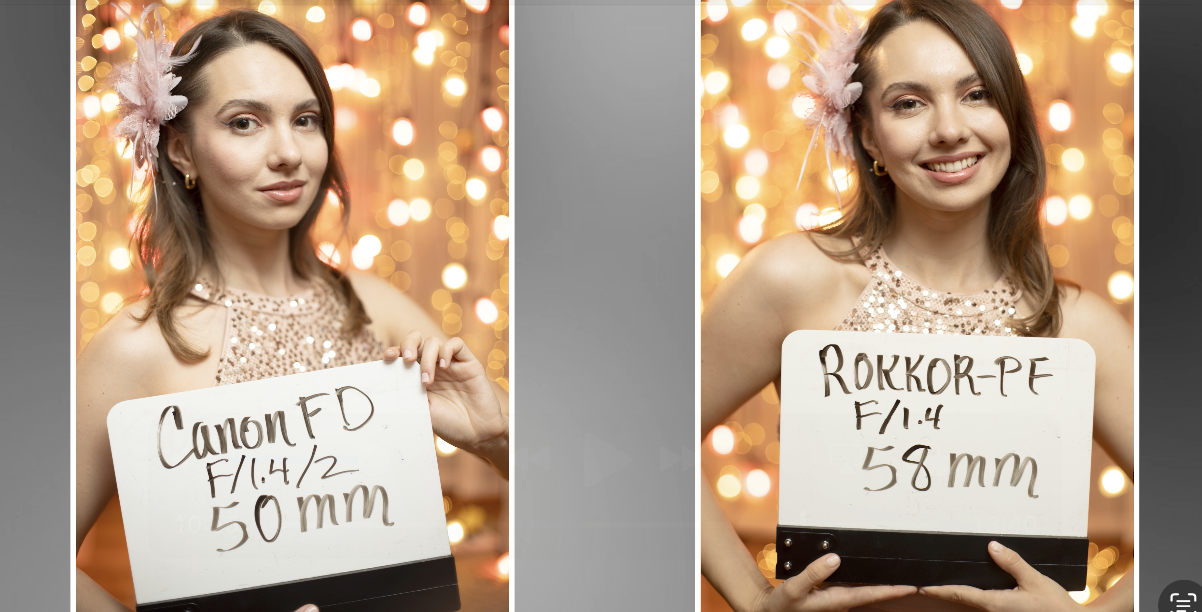

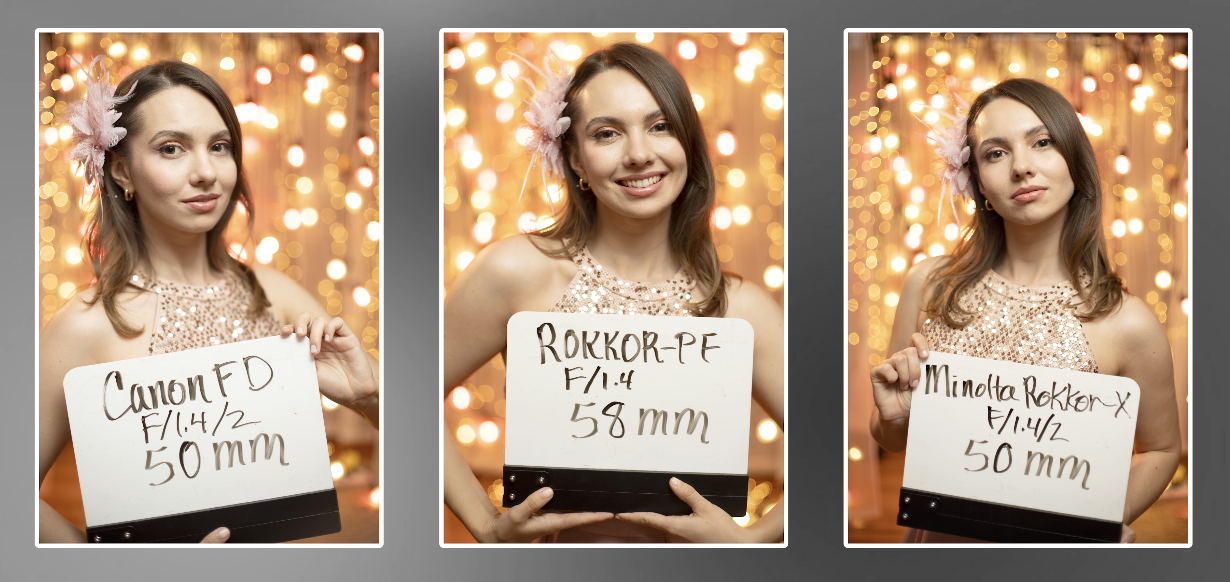

But then last thing we add on this here is we’re going to add our, this is that newer Minolta. It’s just not my favorite. It doesn’t do a lot for me. It’s a nice lens. It’s an, you know, easy lens to pick up. But I don’t think it really gives you the same quality as these other lenses. These are really classic nostalgic looking lenses.
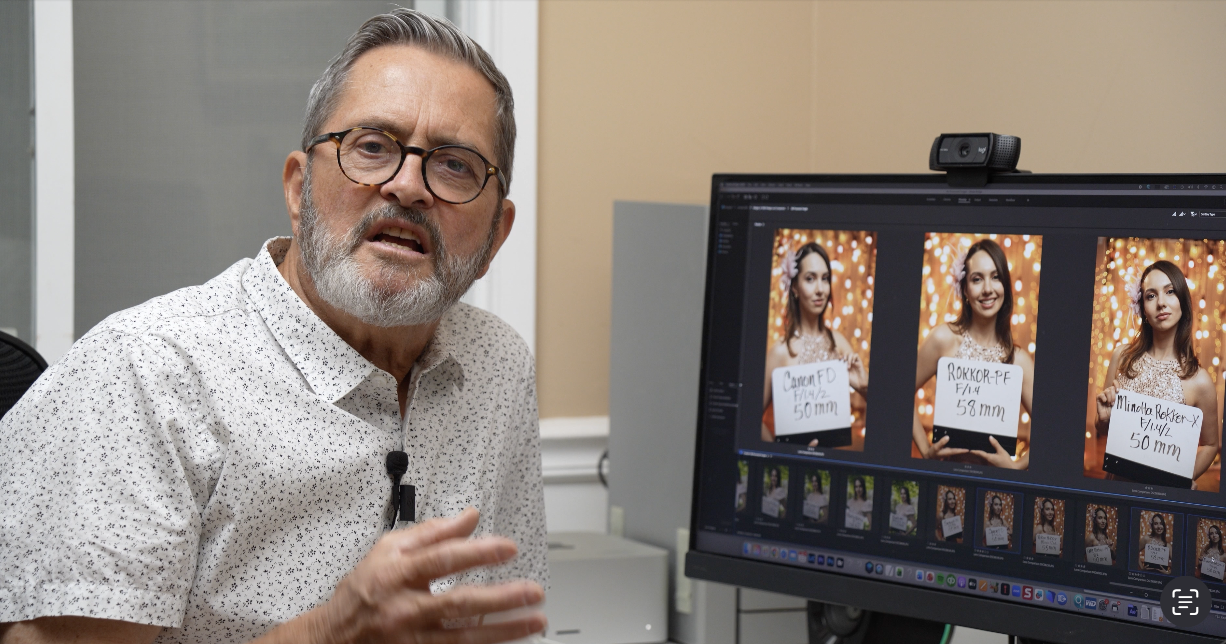

All right, so let’s wrap this up. You know, these are lenses that are reasonably priced. I mean, really, even the Canon starts to get in the $350 range, which is more expensive, the FD lenses. I mean because they are very sought after. But most of these others you can pick up you know, boy at thrift stores or you know, garage sales or inexpensively online. The Minolta Rokkor 58mm I got on an old Minolta camera for 35 bucks, you know. So they’re very reasonably priced lenses. I do have to say, and I mean I can focus. I focused forever without autofocus. But it is hard to hit and it is a challenge. So it made me have to sharpen up my skills again. I get lazy with that G Master. Everything in the world is in focus, man. It’s just a tougher, tougher thing to pull off. But when you get back at it and start to do it, you start to hit more. Your hit ratio is going to go way up a lot faster. I think these are fun to shoot and to mess with and just give your images a different look. Think about, we don’t think as still photographers, like cinematographers do, DP’s. We think about buying the lens that goes with our camera. You know, if we got a Nikon, we get a Nikon lens. If we got a Canon, we get the Canon lens. DP’s get the lens that shows you the look of what you’re trying to communicate. So, if you’re shooting a film about the 50s, you know, I mean, the 60s, shooting on FD lenses makes a lot of sense. It looks like the 60s. It feels like the 60s. It’s all the images we see from the 60s. So, that look is prevalent. It shows through. Sometimes you want to choose the lens to give the look that you’re trying to go for, and that’s going to make all the difference in the world. So, check out some of these vintage lenses. Post which ones you like the most. I’m sure you’ll have a great perspective. Share it with a group and just see what you think. So, you keep those cameras rollin’ and keep on clickin’!