

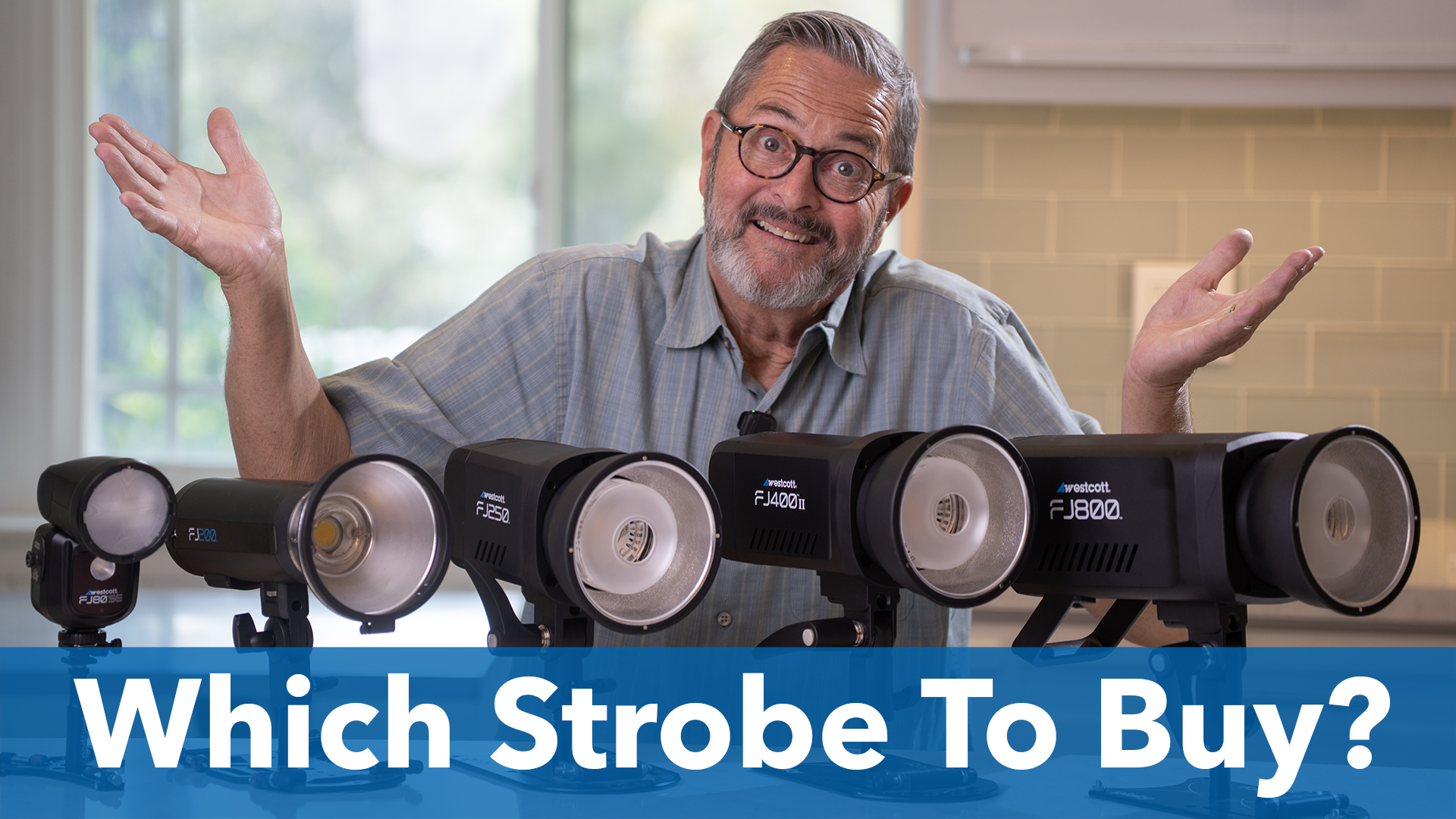

(If you want to watch the video comparison go to The Slanted Lens on YouTube!)
I am asked all the time by students, by people that I meet, in comments on The Slanted Lens, what’s the best strobe head for me to buy? So, I decided I want to talk about each one of the different strobe heads that kind of live in the ecosystem of lithium ion batteries, and what is best for you. What’s best for the amount of work that you do, the amount of sun you need to overcome, the modifiers you use? What strobe head is going to make the most sense for a beginner? What strobe head is going to make the most sense for someone who’s more experienced, who’s shooting more often? We’re going to look at this all in the ecosystem of Westcott. They’re a sponsor here on The Slanted Lens. 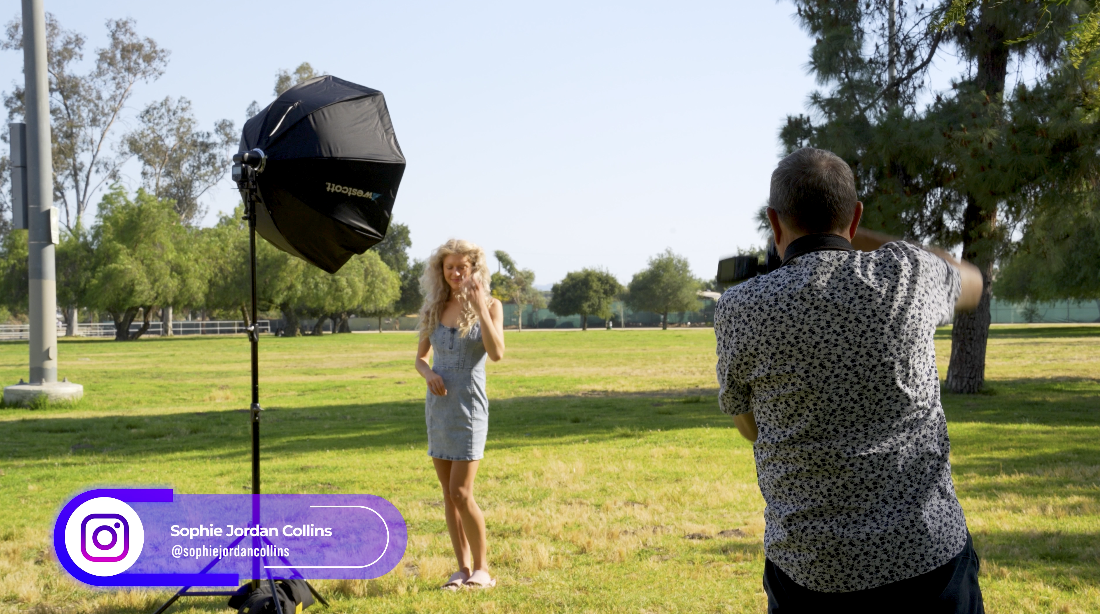

So, we have all these, we have access to them. But you can get heads with very similar power through Godox, with Flash point, or several other platforms you can find online. But we have it here. Westcott’s been very good to us here at The Slanted Lens. I like using them. I’m very happy with them. So, we’re going to talk about this from the standpoint of Westcott. So, let’s just start off with the very first one, which is a speed light. Let’s start with that and let’s get started and see what we can do.
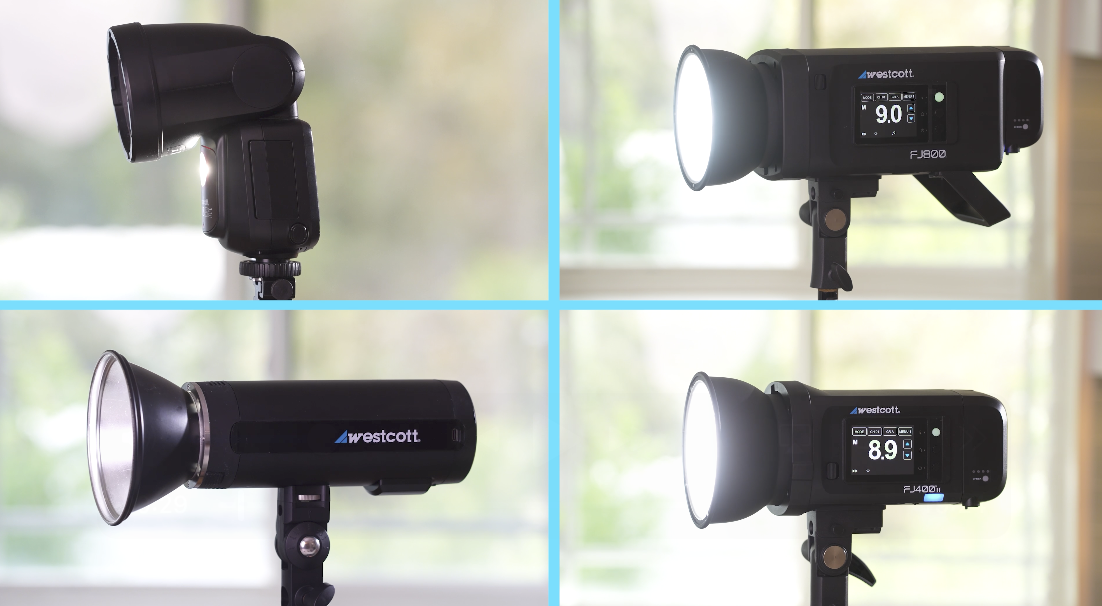

To keep things simple here and so we understand power or watt seconds as they compare to different strobe heads, every time you double the watt seconds you gain one full stop of light. F/8 to f/11, f/2.8 to f/4. So one stop. So with a speed light that’s 80 watt second equivalent. When you go to a 200 watt second strobe, that’s 1.3 stops brighter than the speed light. But if you go to 250Ws, that’s going to be 1.6 stops brighter than the speed light. Not two stops, 1.6 stops brighter than the speed light. If you go to 400Ws, that’s one stop brighter than the 200Ws, obviously, because it’s double. But it’s 2.3 stops brighter than the speed light. 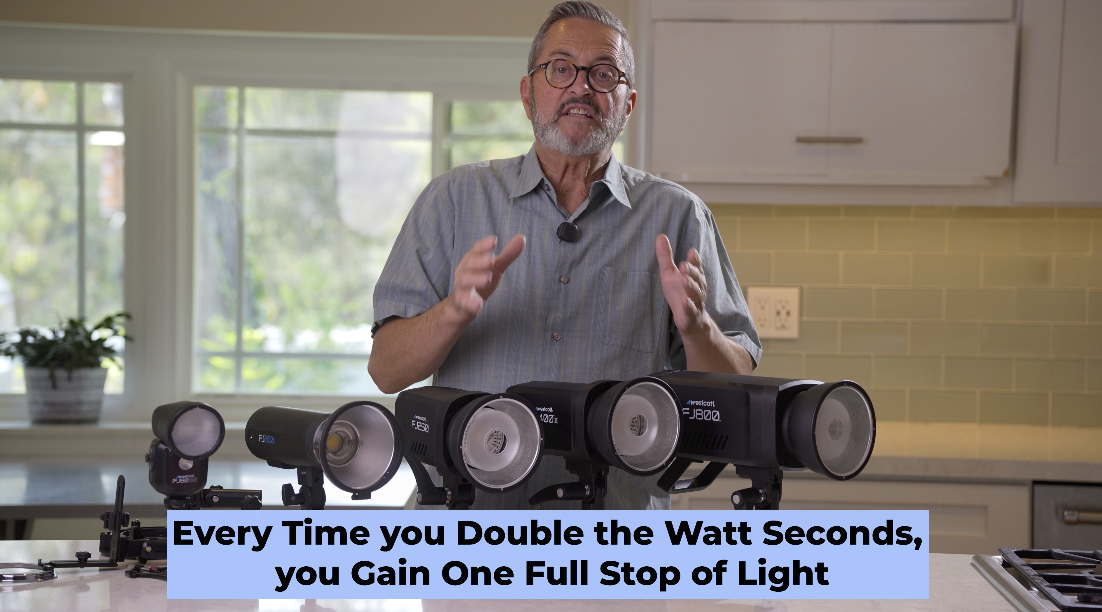

If we go to an 800 watt strobe head, it’s one stop brighter than the 400 because it’s twice as much, but it’s 3.3 stops brighter than the speed light. So there you can start to see the comparison. If you’re only able to get f/8 out of a speed light, you get 8, 11, 16, 22 out of an 800 watt second head. So there’s the difference. It gives you a smaller aperture, which means more is going to be in focus. But now, when we decide to go to high-speed sync, we need a light that’s going to flash several times in order to cover the sensor. So, sometimes a light that doesn’t have that much power can’t shoot that many times and doesn’t give us a good high-speed sync. Whereas, a head that has a lot of power can fire pop, pop and gives us a good high-speed sync. So, we’re going to compare all these and just see exactly how they compare watt seconds and high-speed sync. We’re going to look at some images. So, let’s just get on with it and see what we got.
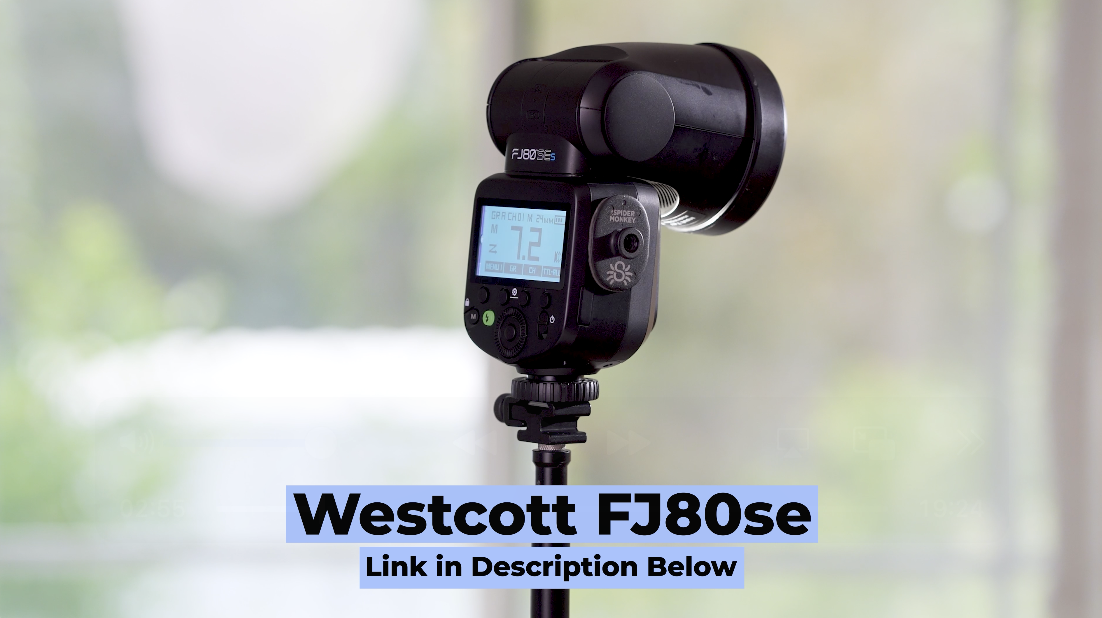

So, let’s start with a speed light. A speed light is the best on camera solution you can get. It’s got a hot shoe. It’s made to go on the hot shoe. It’s got a TTL connect to your camera. It’s going to give you a lot of options. It’s really a run and gun, portable kind of platform. It is only 80 watt seconds. It does go right on the camera unless you use a trigger to try to get it off. But this is really where most people start. Most people buy a speed light. And I always tell them, well, you’re spending $200 for 80 watt seconds of power. 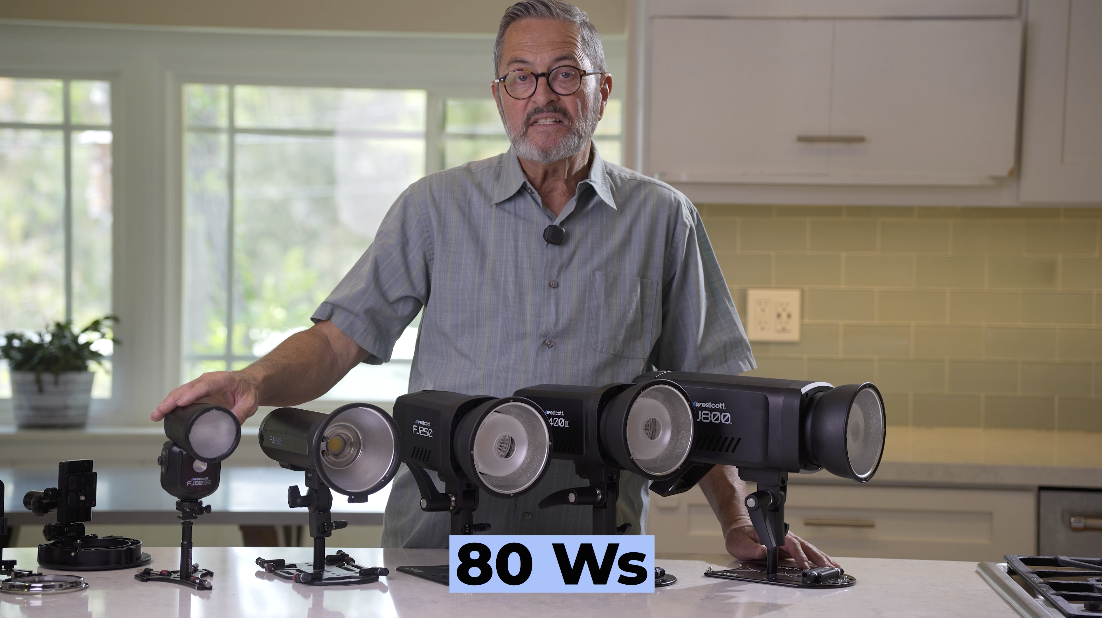
And do you want to spend that kind of money for this kind of, for that kind of power? I think a speed light is a perfect place to start. And here’s why. You’re going to shoot events in your career somewhere along the line. Whether it’s going to be family things or it’s going to be weddings or it’s going to be, you know, actual events, some kind of a grip and grin or something. Speed light is fast. It’s easy to use TTL with. And it just gives you a quick platform to use. It’s lightweight. It goes right on your camera. It’s easy to manage. You don’t have to have a second person to make it happen. It just becomes an easy platform to carry with you and to shoot. You can modify it pretty easily with a small modifier that sits on it. You can also take and put a trigger on the camera and then get it off the camera, which really helps it a lot. Get it up higher, get it over to the side, and it gives you the ability to shape some. But now, when you really get into doing portraits and those kinds of things, I think speed lights are just low powered. They don’t work well with large modifiers. 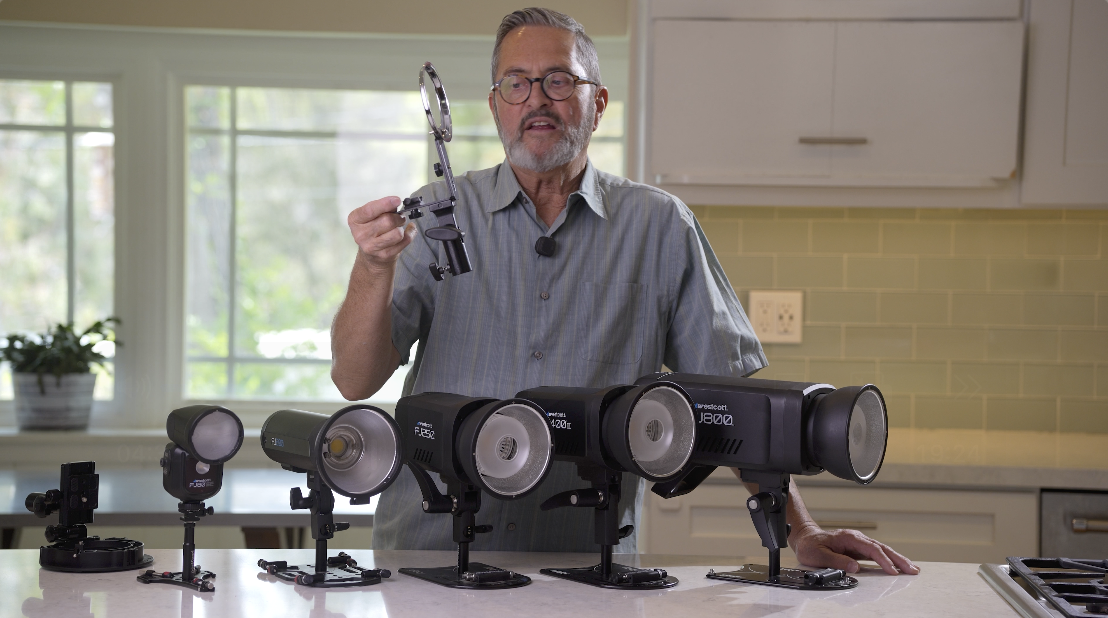

You have to put something like this on your modifier and create a way to get your speed light into this bracket. You have to have this bracket. The bracket goes into the modifier. I mean, they’re great. People like them. People use them all the time, but it just becomes another step in that process. 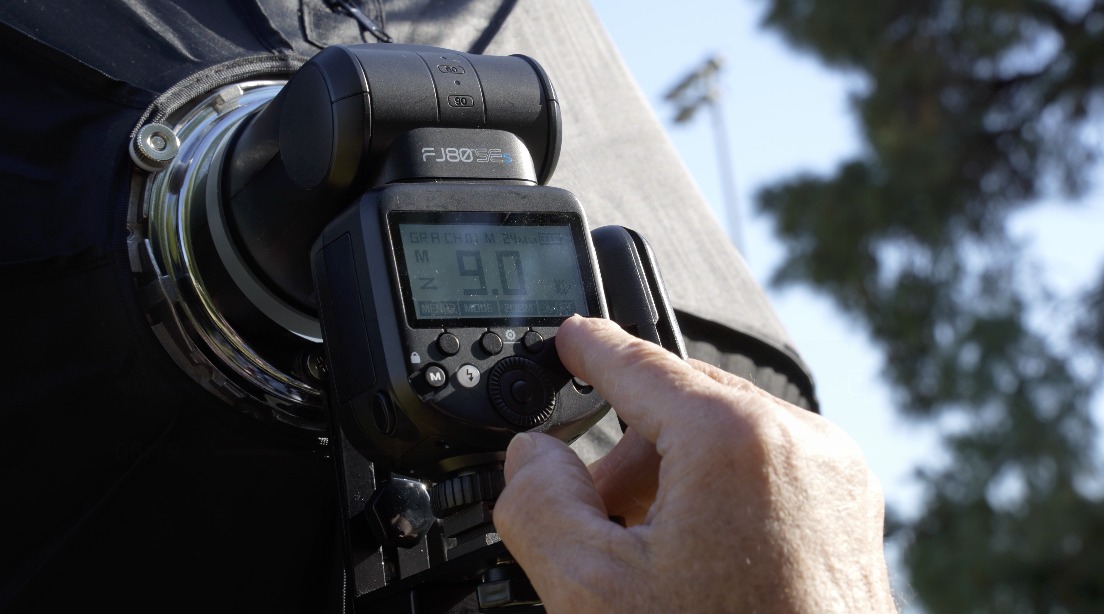

So, you have only 80 watt seconds. They’re not as easy to modify. But I think it’s a great place to start because if you don’t have one of these, you’re going to run up against the need. I guarantee it in your career, time and time again, in different places, different things. It’s always like this, like, “Oh, hey, we got a company picnic. Can you take some pictures?” It just seems to somehow come up. And so, I think a speed light is a great place to start. Just a couple other things that really fall short with a speed light is in high-speed sync, you can’t overpower the sun near as well. 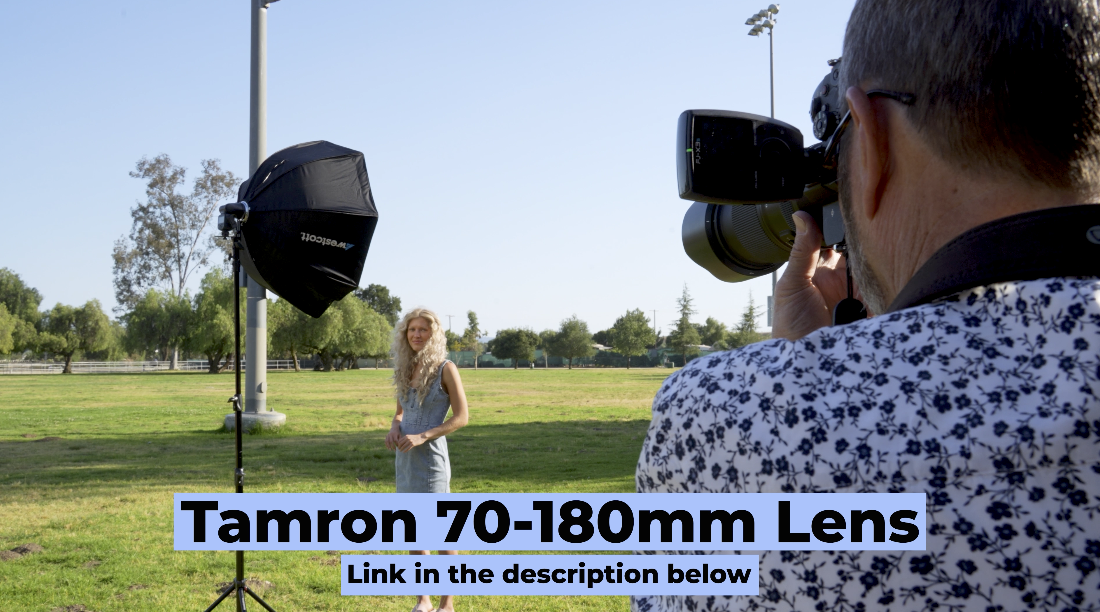

It’s very slow recycle times and you’re going to have a battery that doesn’t give you a lot of flashes. You’re going to have to have multiple batteries to be able to shoot, you know, hundreds of images at an event. So, those are some of the cons with a speed light. But there are some great pros that make this worth being the first light that you purchase. And if it’s all you can afford, then buy this, get a bracket and a soft box, and let that be the first thing you get. But I can guarantee you almost immediately if you start doing any kind of portraiture outside, portraiture inside, that you’re going to want to step up to something more powerful, easier to modify than a speed light. So, let’s take a look at a couple of images with the FJ80. 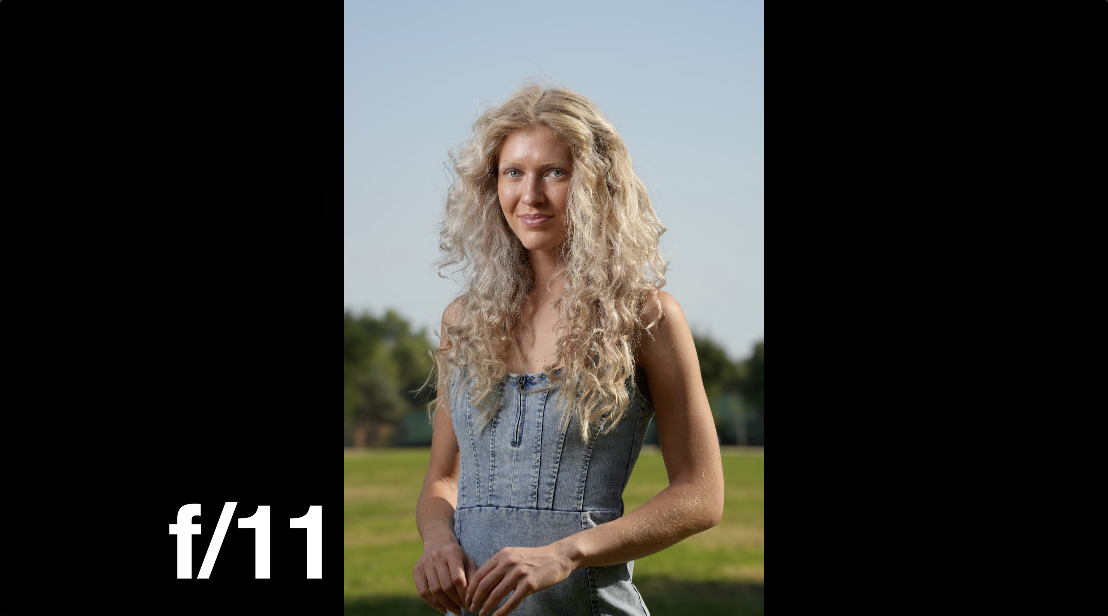
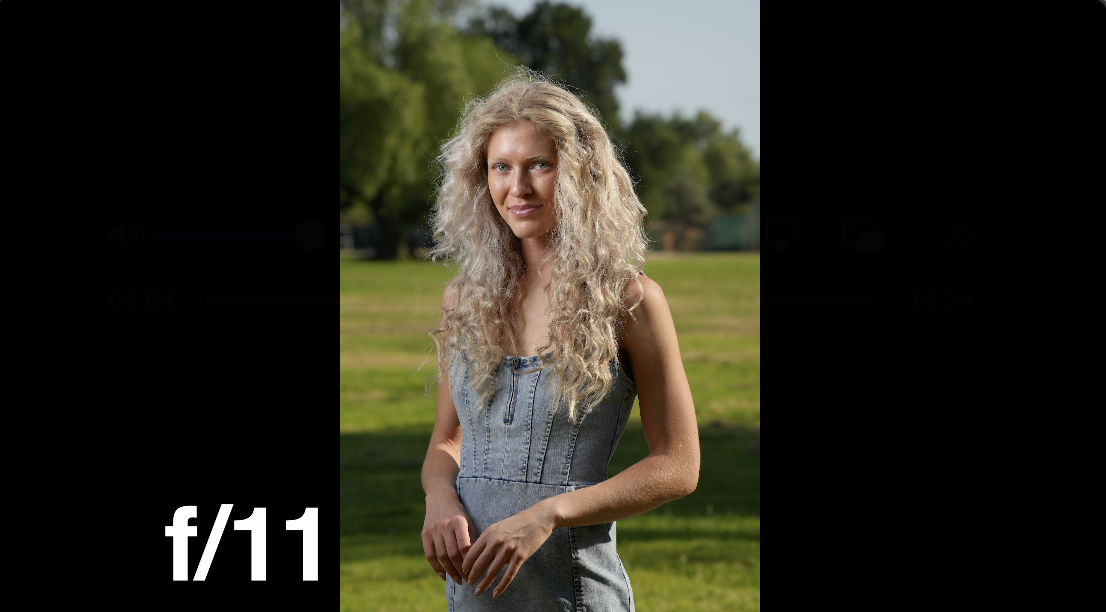


We first did one at f/11. So, this is regular full power. The strobe was very close in order to get enough exposure. And you can see what the background does. At f/11, you got great control in the background, but you don’t have really shallow depth of field. 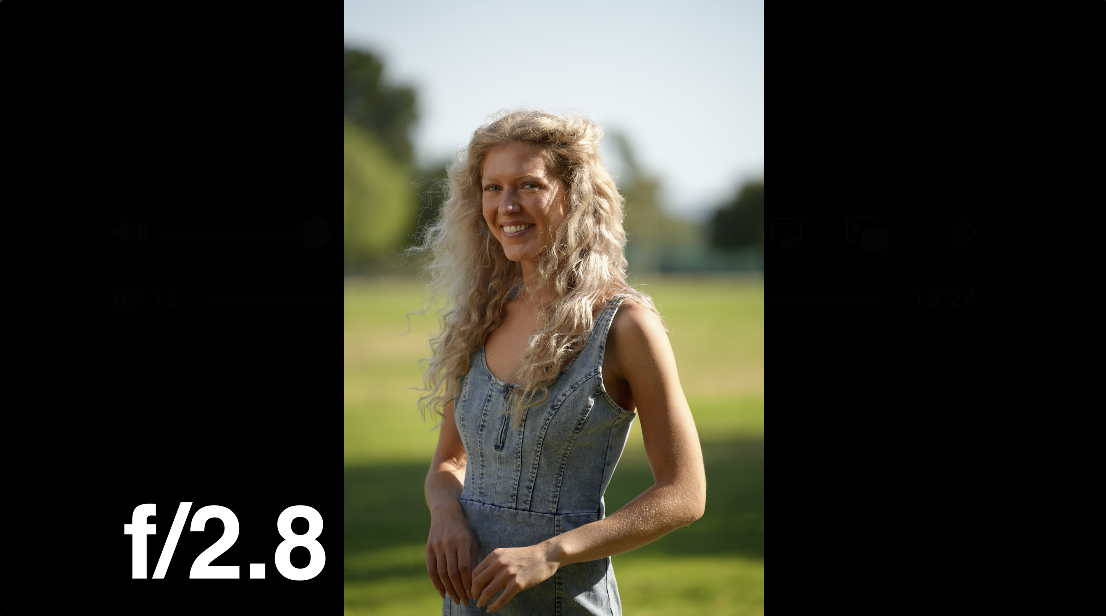
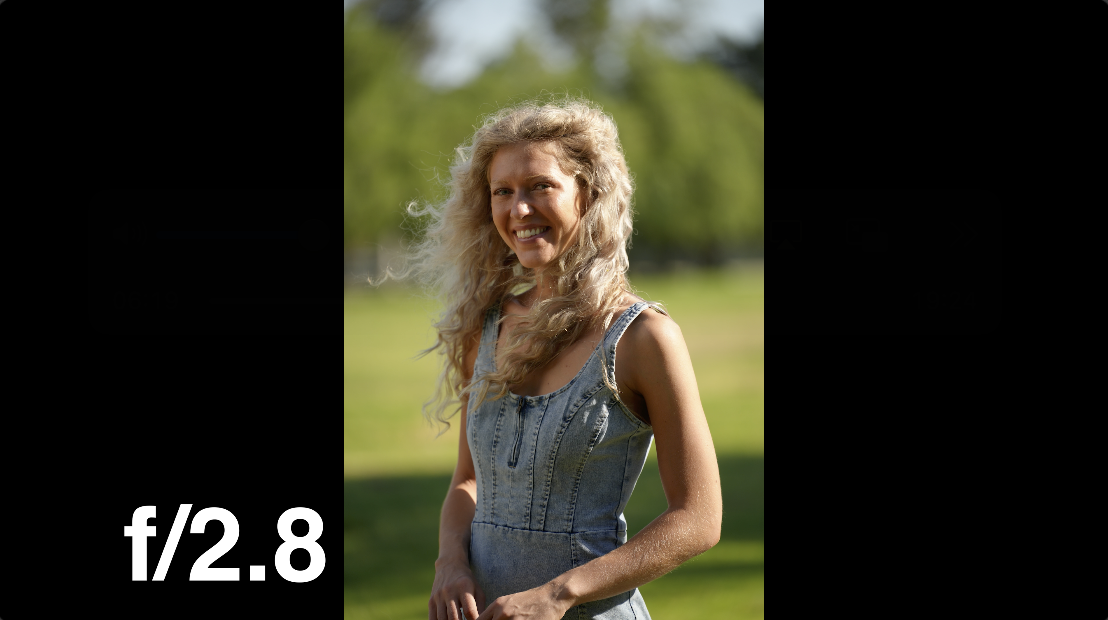


Here we go to one that’s f/2.8. You can see that the high-speed sync struggles a little bit. I can make this work. We’d have to get in a little closer, maybe work with it a little bit. So, that gives you a pretty good idea of what this looks like with a rim light and just lighting the face.
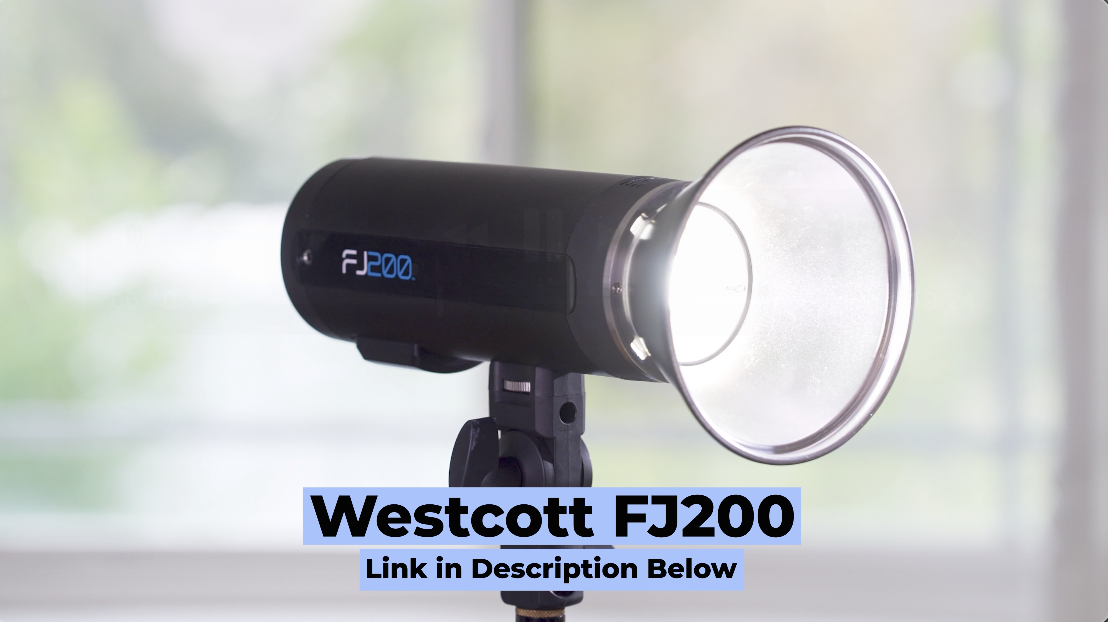

All right, now let’s take a look at the FJ200. This platform is about $350. It’s actually a platform that Westcott is phasing out, but you still see it in other strobe manufacturers. The reason people like these is because they are really small and lightweight. It’s great for individual portraits and small home studios. Easy to transport. You got the lithium ion battery. It really makes it so you have the ability to to take them out on location. It does have a modeling light, but the modeling light is so faint that it just really doesn’t do a lot to help you. 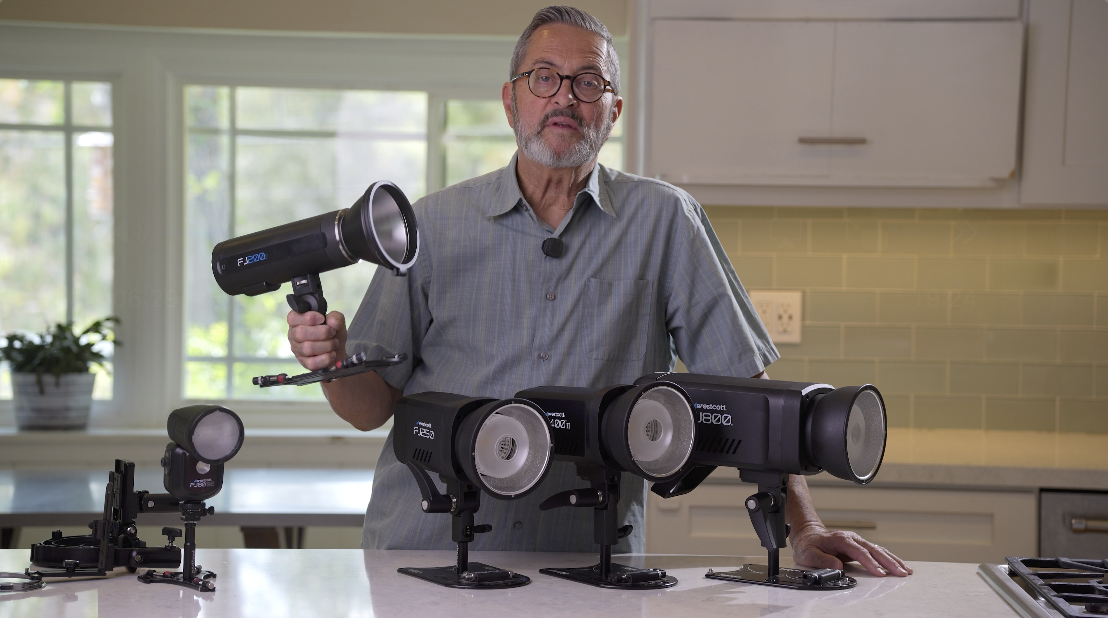
It works great with smaller soft boxes and umbrellas. But in order to do that, you have to have a bracket to be able to get it onto, you know, a Bowen’s mount, to be able to use a Bowen’s mount to be able to put modifiers on it. So, it does become another bracket you have to carry with this platform in order to adapt it to soft boxes and things. As far as cons go, it just struggles to compete with the sun. It’s much brighter than a speed light. It’s like a stop and a half brighter than a speed light. So, it’s much better than the speed light. It’s the first kind of entry point into a strobe platform that’ll allow you to shoot with modifiers, shoot portraits out on location. Some studio portraits, people like them in the studio if that’s all they have. 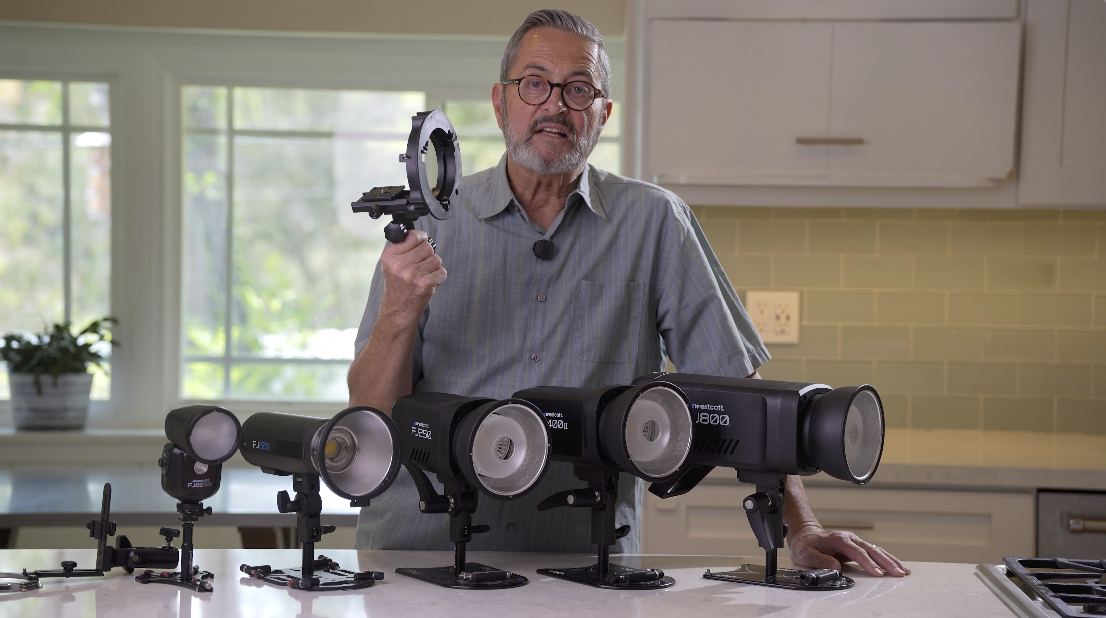

It’s not a bad way to go, but it’s just, I think it falls short in a lot of ways because it just doesn’t have the power and I don’t love the adapter to be able to put a soft box on it. But, it’s very lightweight. Put two or three of them in a bag. Easy to carry with you and that way it makes these very attractive. 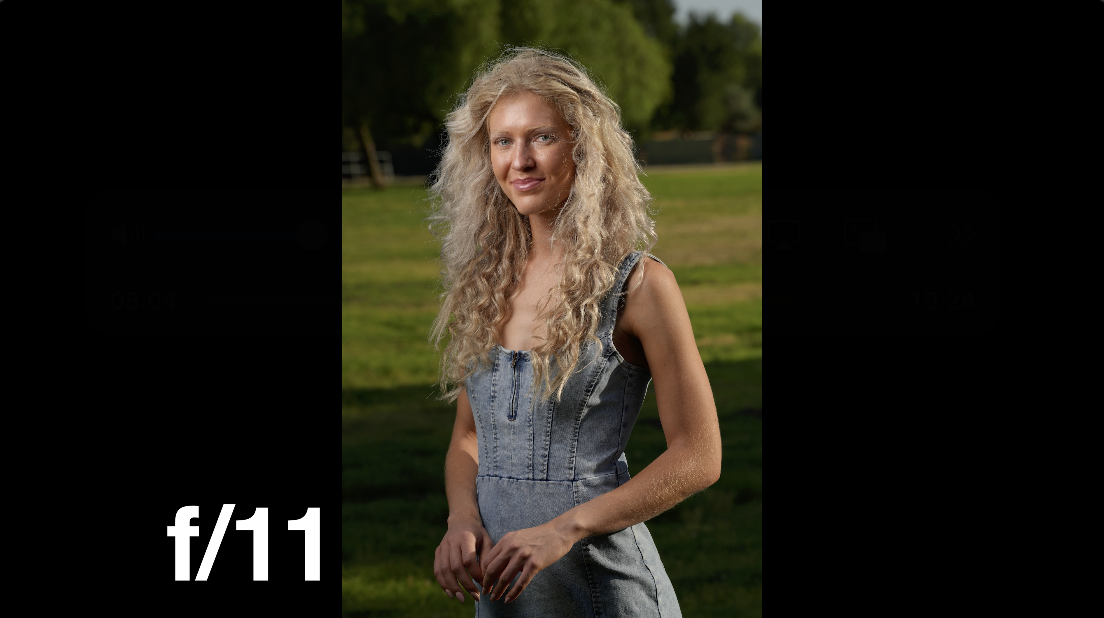
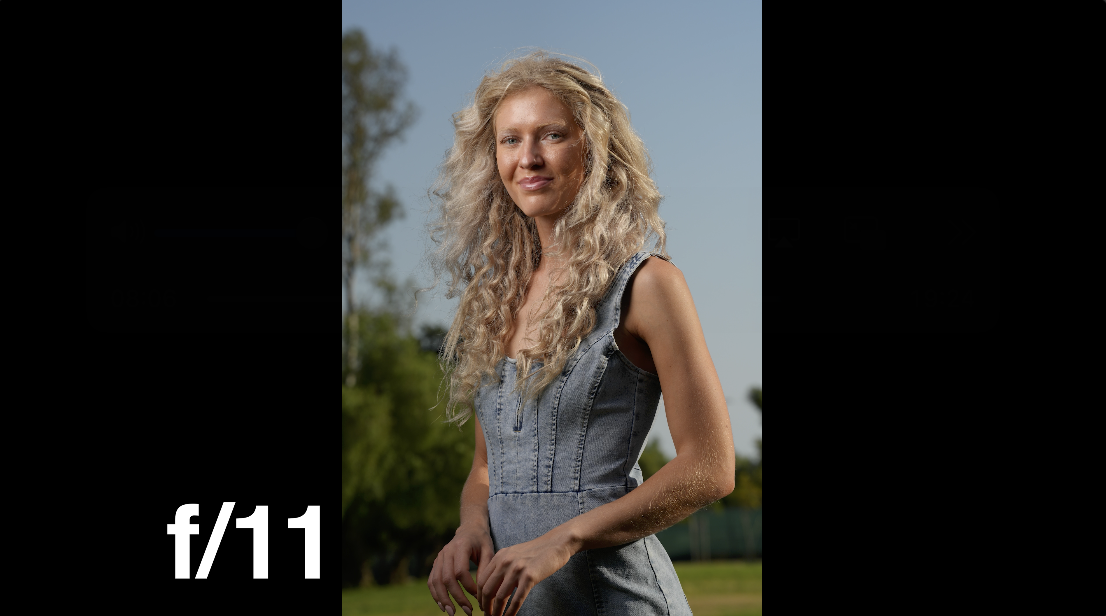

So, let’s take a look at some images. Here’s f/11 full power. And now we’re going to take a look at f/2.8 using high speed sync.
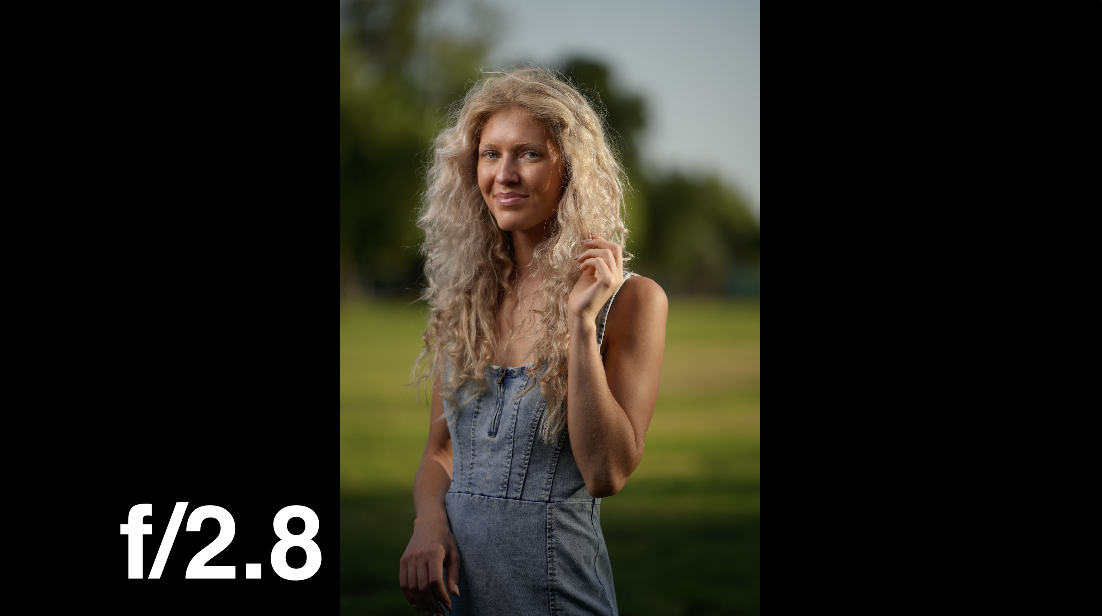
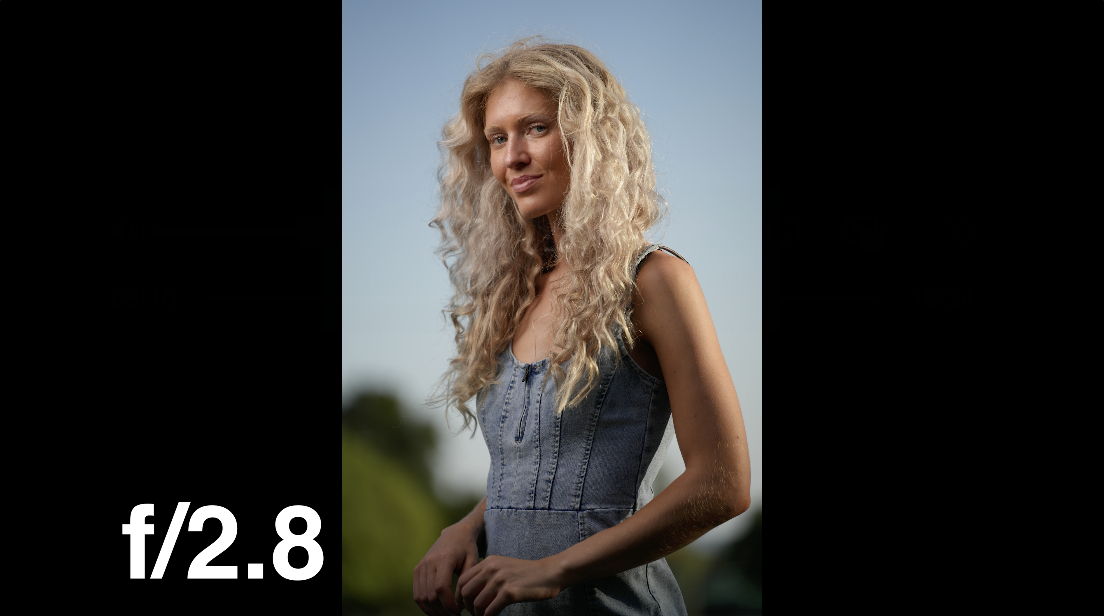


So, this brings us to the Westcott FJ250. So, it’s 50 watt seconds brighter than the 200. It’s about $400. 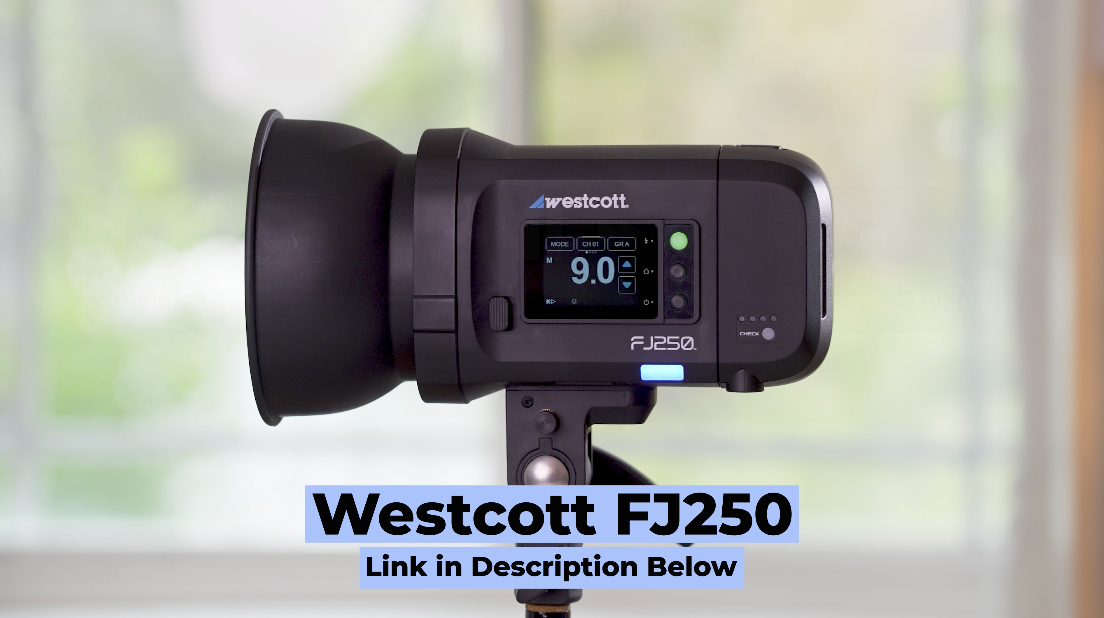
And this really steps us into a more of a mono-block type head. And that mono-block head just makes it very easy to modify because you’ve got a Bowen’s mount right on the front of it. It uses a battery system that’s going to be commensurate with all of their heads. So this battery here will work on any of the 250, 400, or 800 heads. And so it really gets it into an ecosystem where it’s more of a studio type head, mono-block head. Great for location. Rechargeable ion battery, has all the advantages of a 200, but with an easier way to modify and a battery that’s interchangeable. So probably the the only advantage the 200 has over this is just that the 200 is slightly smaller, slightly lighter. But for me, it’s worth the weight to get into a head that is a mono-block and easy to modify and uses a battery that’s going to fit everything else in my system. 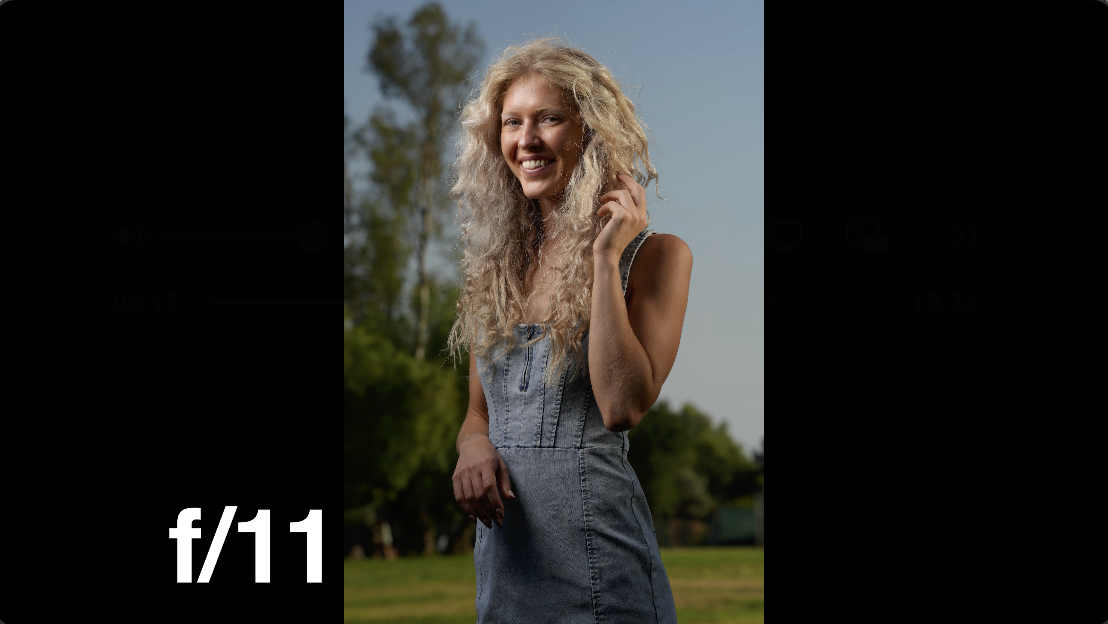
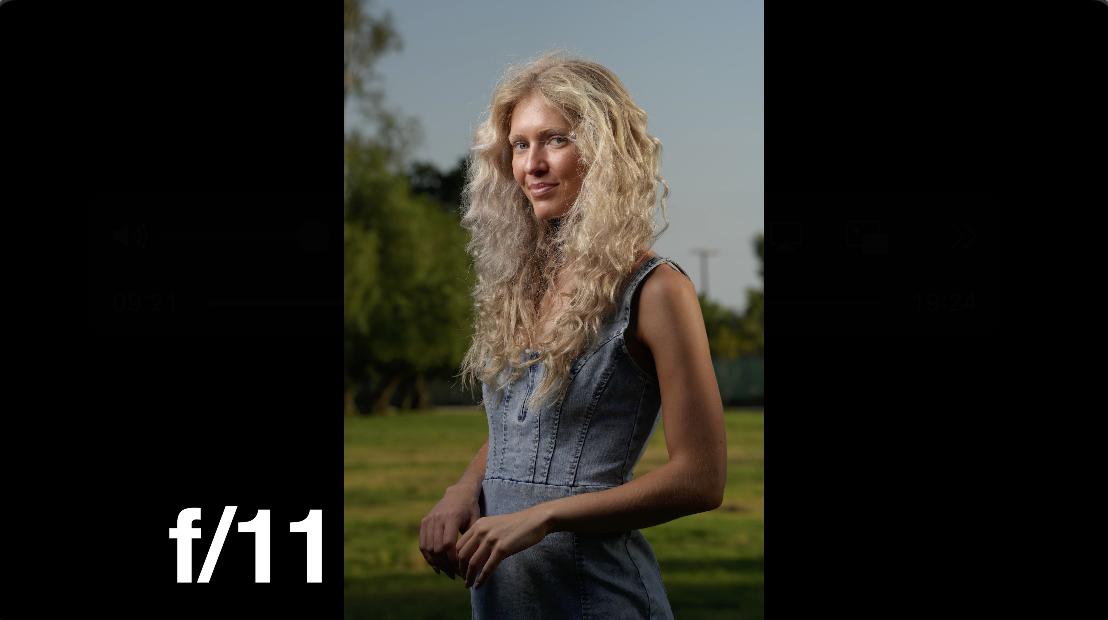

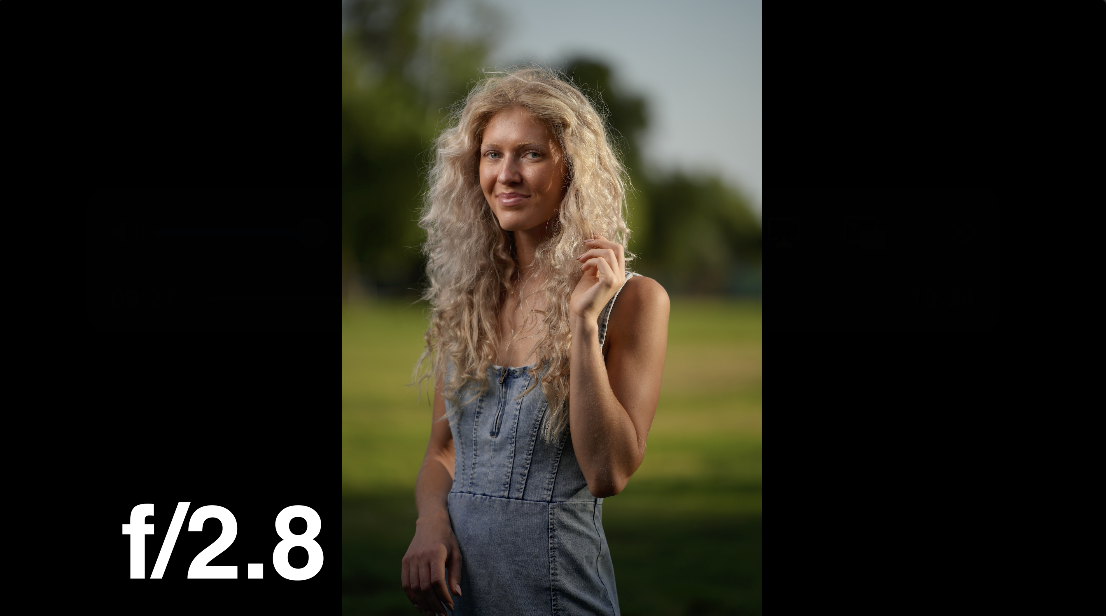
So, let’s take a look at some images with the FJ250. First at f/11 with that backlight and then we’re going to go to high speed sync at f/2.8.
All right. Now, let’s take a look at the FJ400. This became the sweet spot for strobes for a long time, these lithium ion battery mono-block heads. It’s just they’re great for portraits. 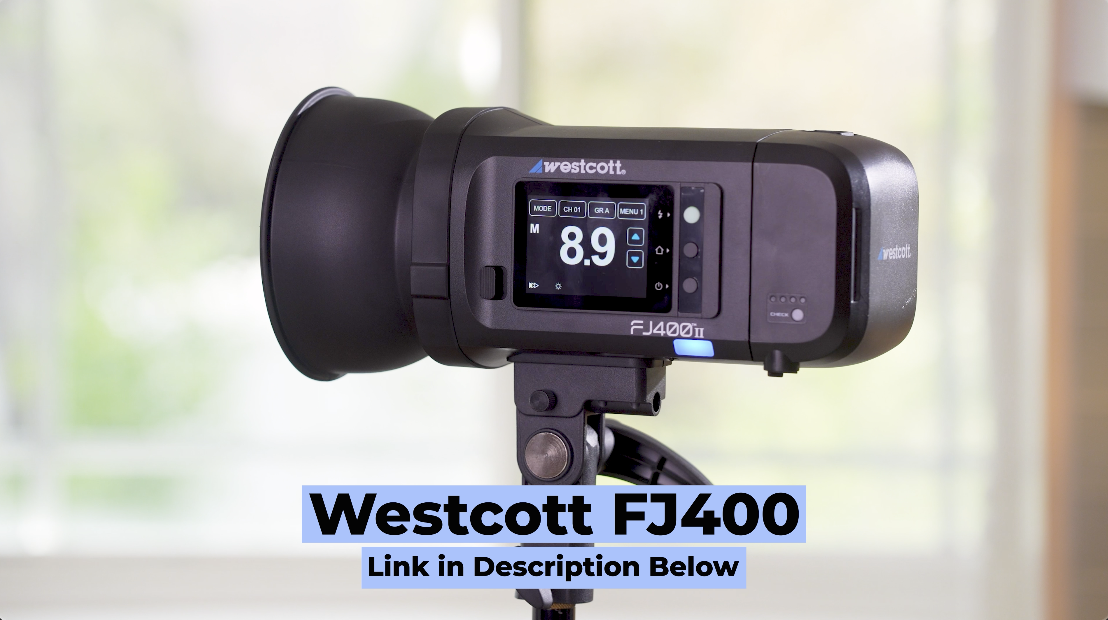
They’re really great for commercial work. They are really powerful enough that you now can work with the sun with them. You can do high-speed sync with them. And they’re not so heavy that you can’t carry them around on location. They’re really easy to take out on location. They became the location choice. 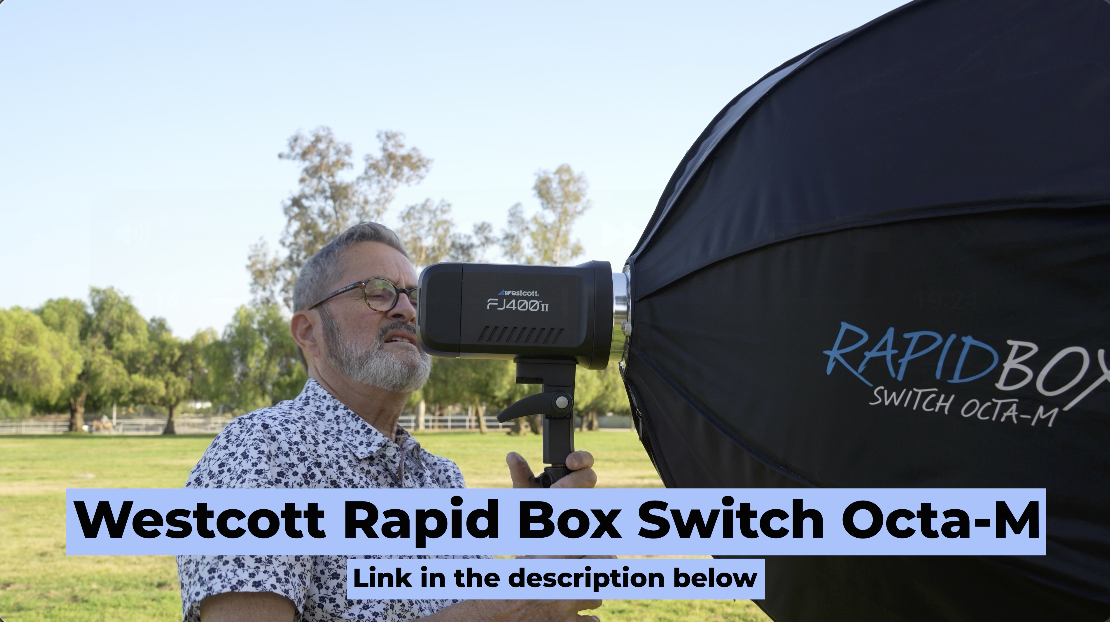

(Westcott Rapid Box Switch Octa-M)
The light and the power setting that made the most sense for going out on location. Now, it’s got a modeling light, but the modeling light is brighter. It’s better, but it’s still not going to really work for you outside. Inside it works much better, much better inside. You can see exactly what it’s doing. But this is easy to modify. It’s got that Bowen’s mount on it, so you can put umbrellas, you can put any kind of diffusion.
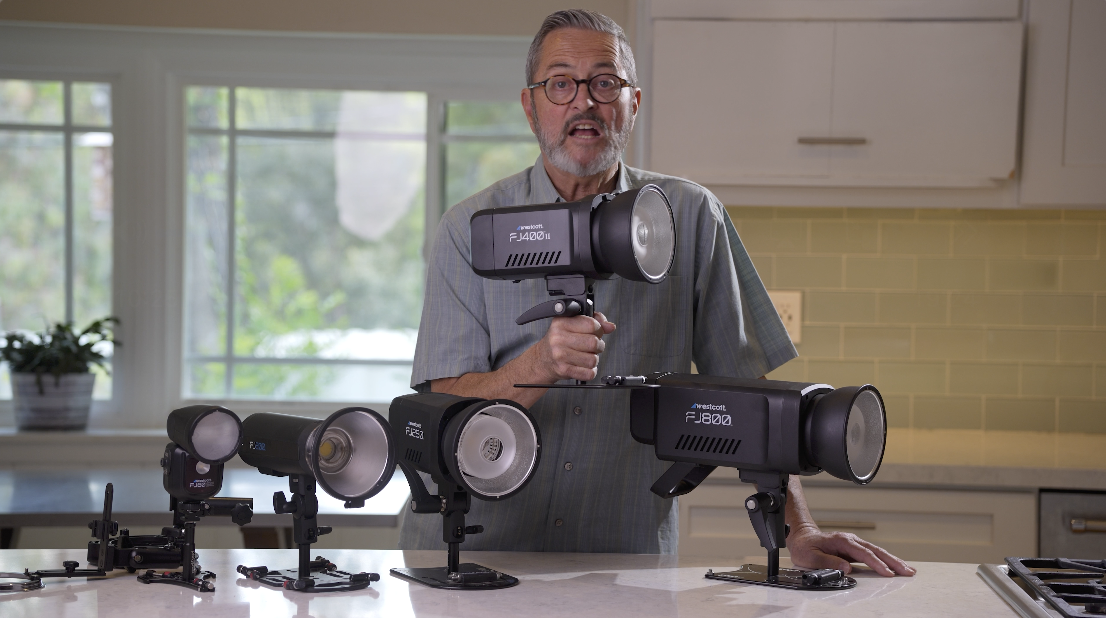
I think this is the platform, the sweet spot, that 400. It’s not super heavy, so it’s easier to carry with you. You can put a couple of these in a bag and take them out on location and it’s just a really easy world to work in. It’s a faster recycle time than you’ll get on the 250, or 200 or a speed light. Definitely faster recycle time. So, the cons with this light is it just becomes heavier. You’re becoming heavier as you get more power. It’s going to be heavier. You’re going to need heavier stands. 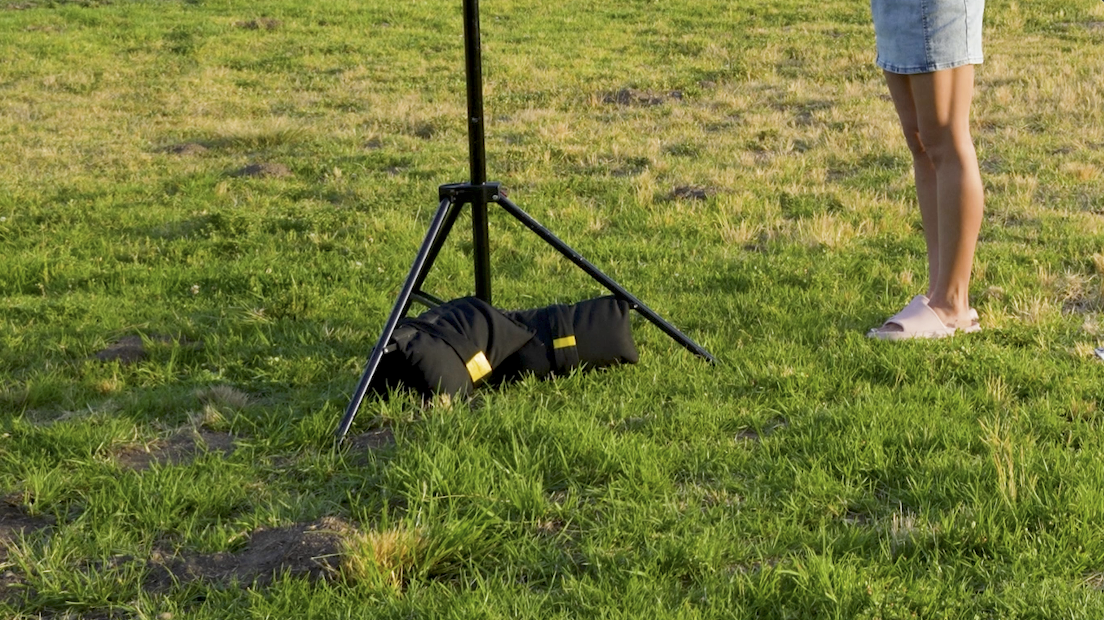

It’s going to need a, you need a sandbag with any of these when you’re outside with a any kind of a modifier on. But it’s just the the weight. The weight really becomes the downside and the cost. You’re now at $600 versus when you’re at 250Ws, you’re at $400. When you’re at a speed light, you’re $200. So, it’s like it’s costing you more money as you get up into this platform. But, I think this is a great place. It’s $600. It gives you great power with great high-speed sync. It’s a platform that really works outside very well. 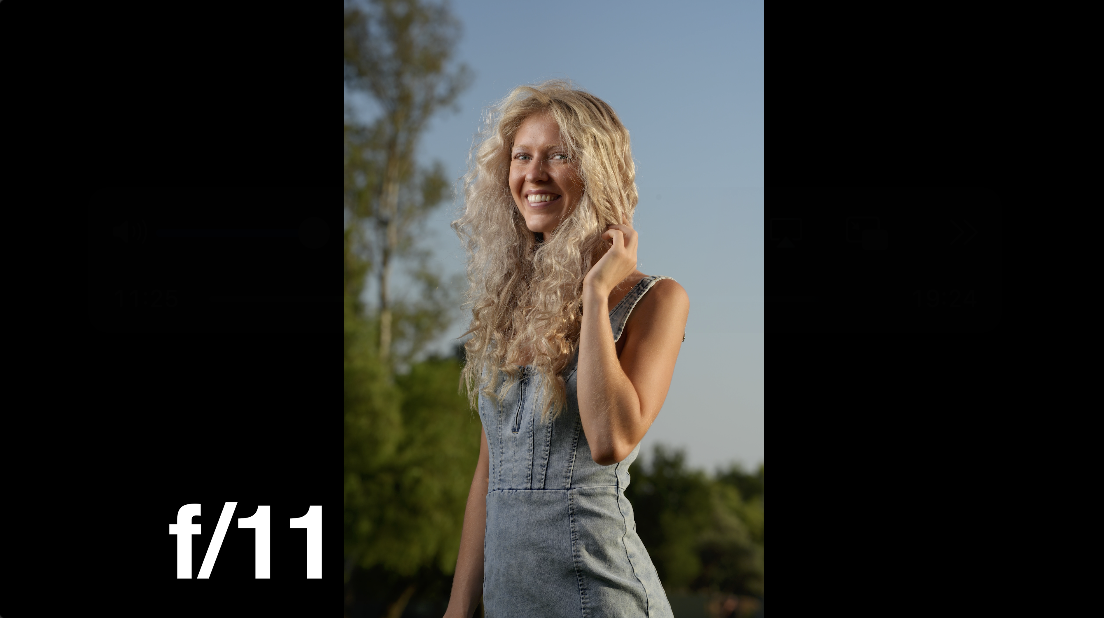
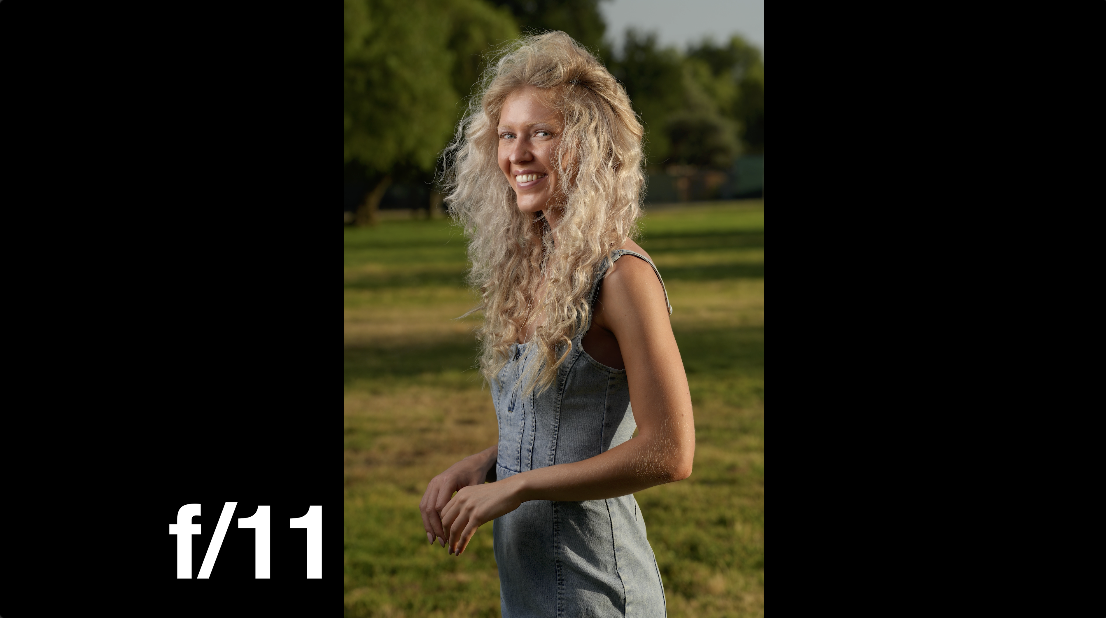
So let’s take a look at some images here. I don’t need to be at full power to get f/11 out of this. Now, not this close. I can come down almost a stop and that’s going to give me beautiful light on the face. Now, I can go to high-speed sync. The high-speed sync works fabulously. 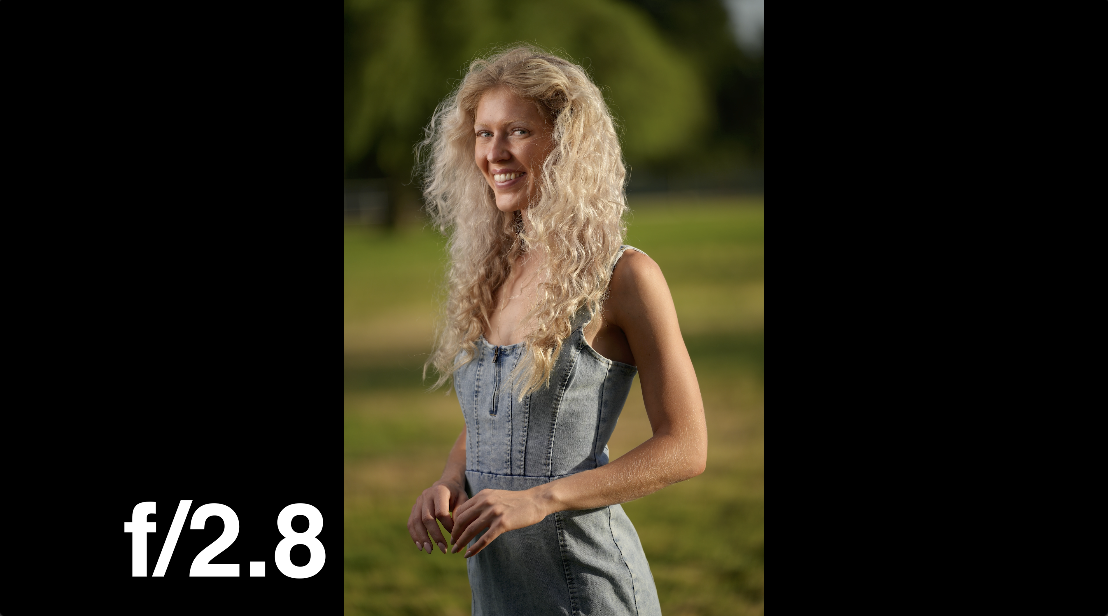
I lose some power in that high-speed sync with this. Not quite as effective. Certainly I lose some power there, but very much very usable and a platform that works great with high-speed sync outside.
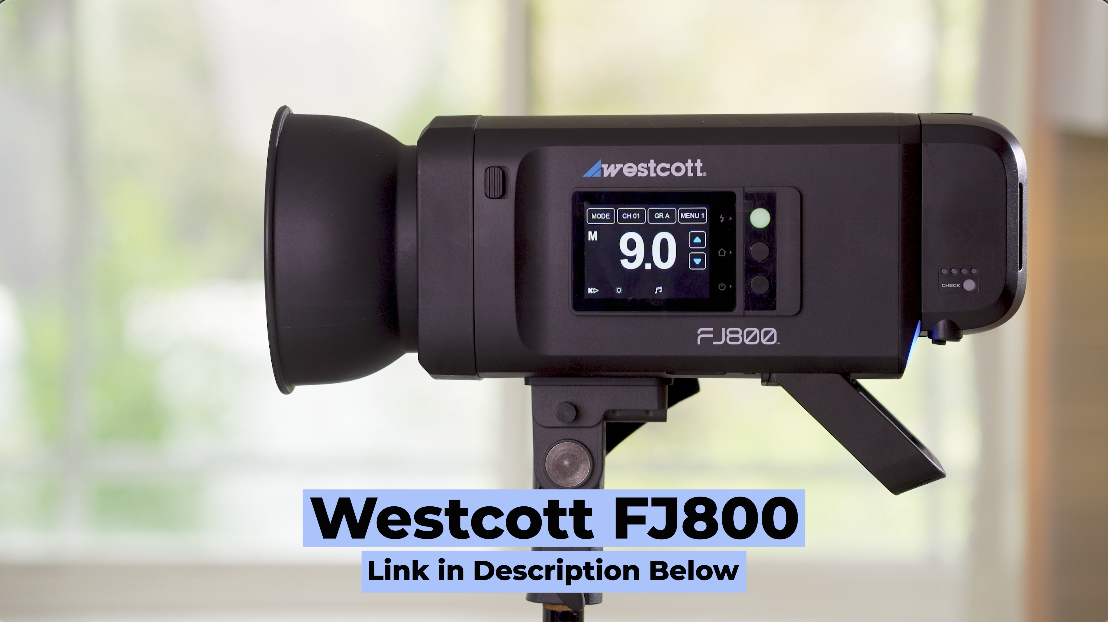
Now, let’s go to the FJ800. This is about $900. This is a fairly recent offering to get into 800 watt seconds. It’s been a year and a half or so, but this becomes very much a studio head. It’s great for overpowering the sun if you’re dealing in harsh sun. Excellent for large groups or commercial work. When we shot puppets, we shot that with this because I wanted a lot of depth of field, but the weight becomes an issue as far as carrying them with you. Put a soft box on this with a sandbag on a stand, it’s going to be really hard to pull that around. I don’t think you need to go to a c-stand to be able to put these out on location, but a heavy duty Manfroto stand like we use. The flat stacking stands work out great with this. It’s got a very bright continuous modeling light, which makes it easy to see your lighting. And if you’re working inside a studio situation, that works excellent. I really like that using that modeling light on this platform worked really well. It’s easy to get a deeper aperture. You’re going to be at f/11 or f/16 without any problem. Like I say, it works great with high-speed sync. The high-speed sync is really, works so well because there’s enough power there to be able to pulse as you take those images. And that just really makes the high-speed sync worthwhile with these outside. So, this becomes very much a sunbuster, if that were the word. It just, it’s going to work well for high-speed sync. 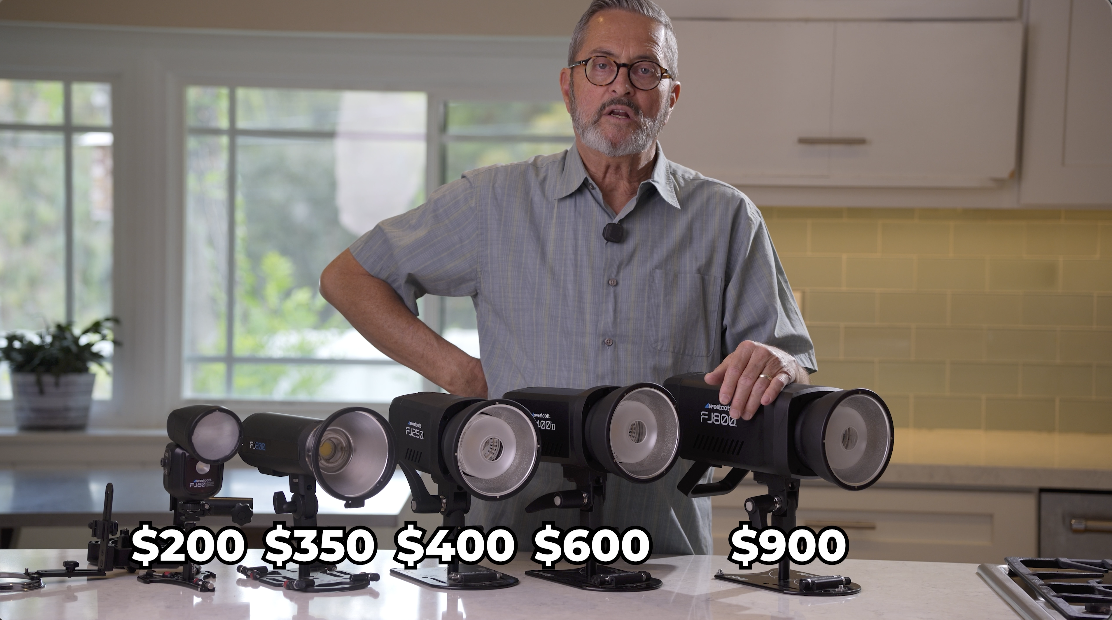

The advantage you get with this is just the power. Some people find it a little heavy to haul around, and that becomes the major con with this platform. And price, it’s $900. So we’ve gone from $200, you know, $350, $400, $600, $900. You know, the old saying in racing is speed costs money. How fast do you want to go? You know, watt seconds cost money. How many watt seconds do you want?
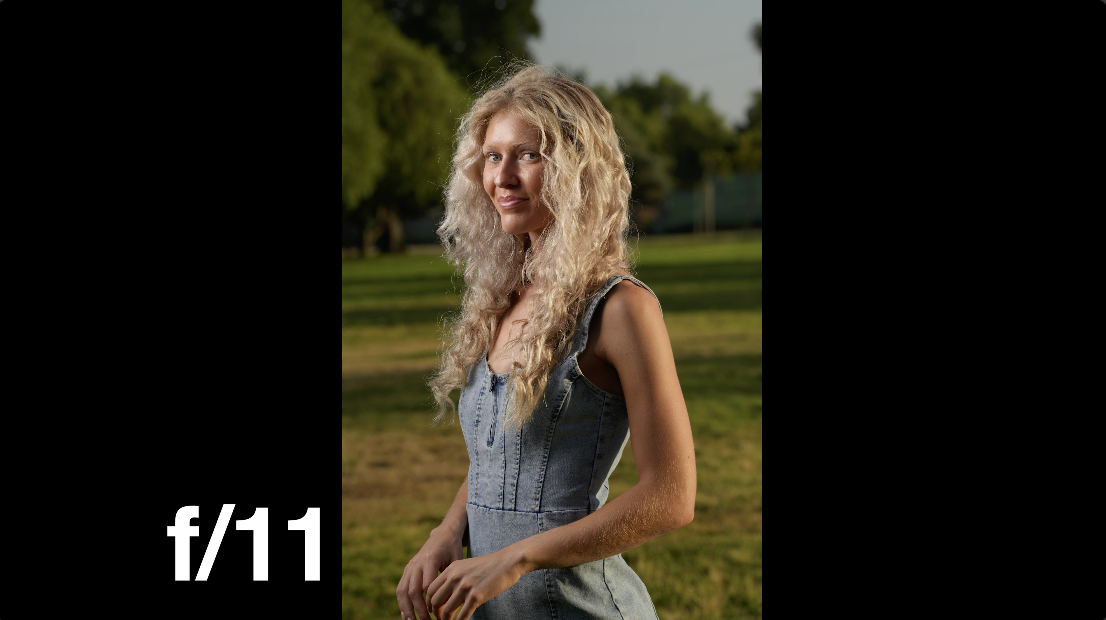
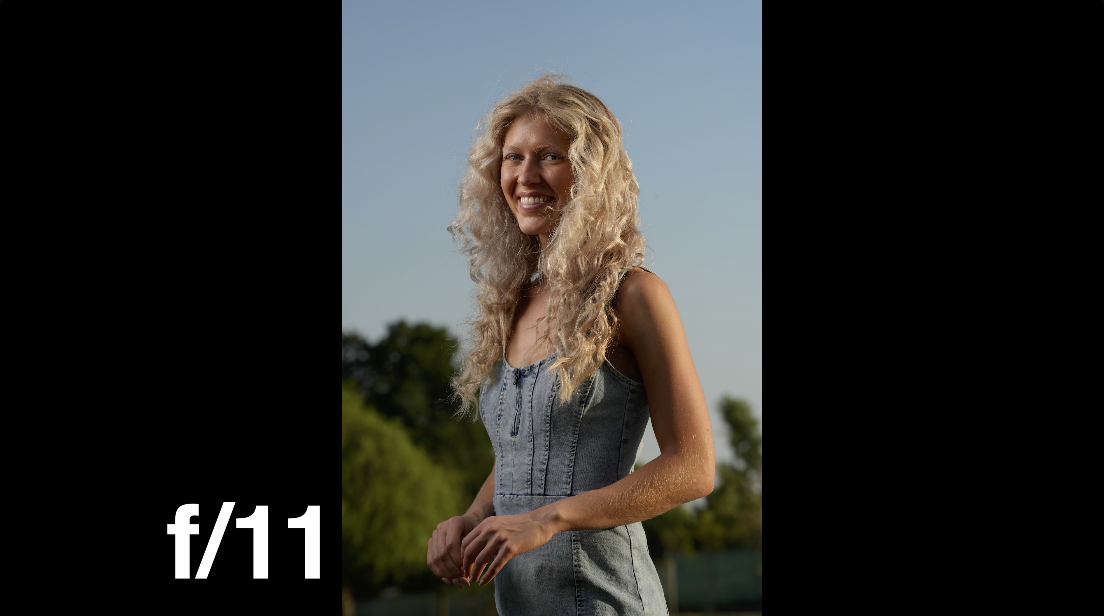

So let’s take a look at some FJ800 images. There’s F/11. I am down a couple of stops to get F/11 out of this. I don’t need near the power this has to get F/11. And going to highspeed sync, the high-speed sync worked fabulously. I could shoot fast. The recycle time was excellent. 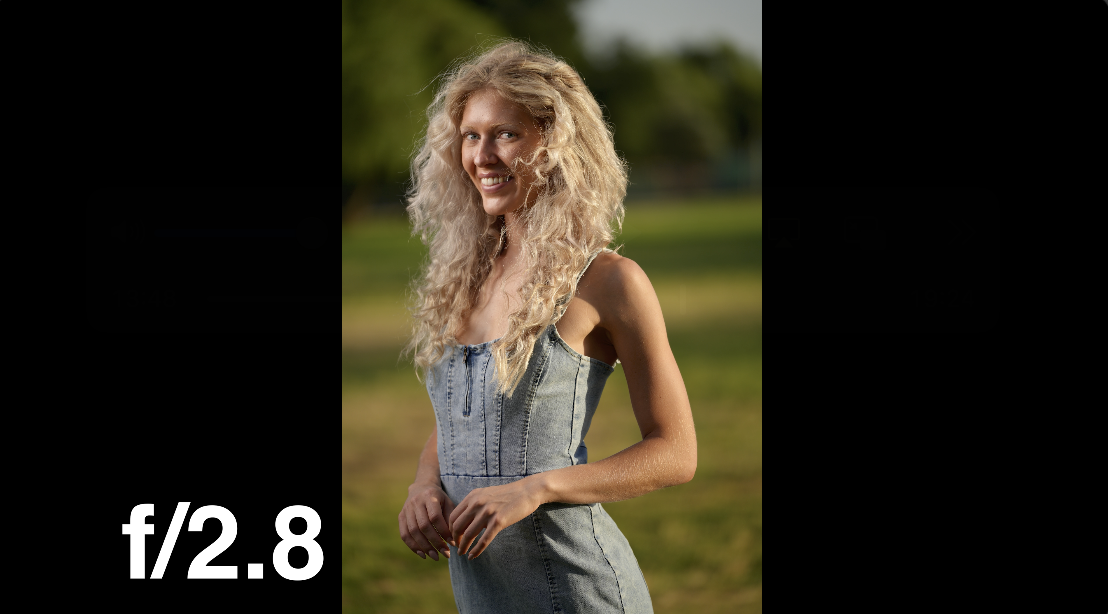
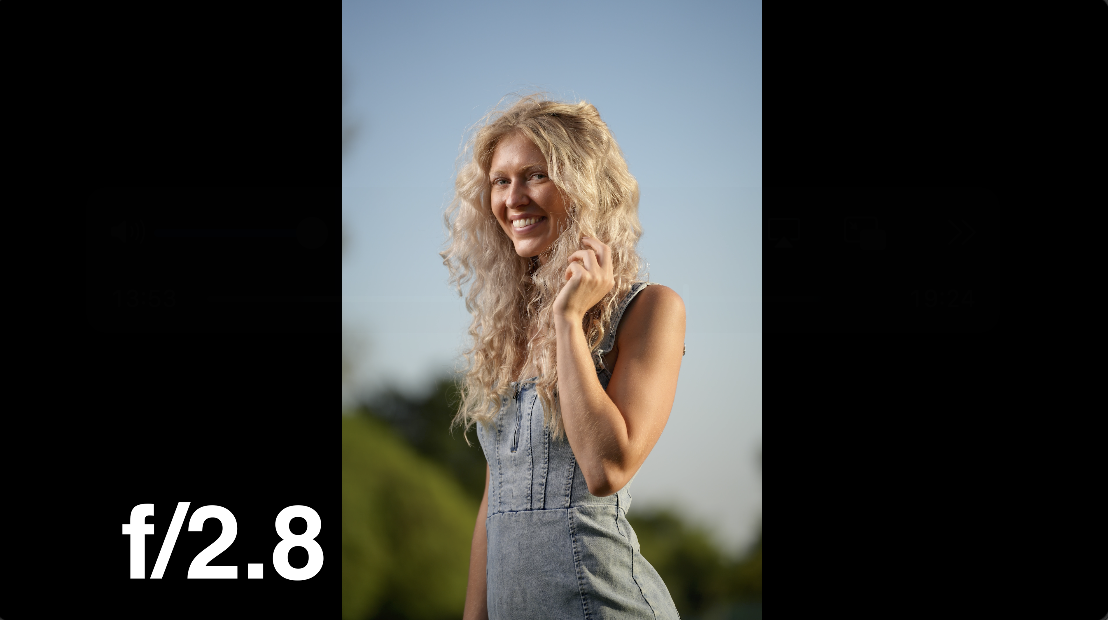

Just a really fast platform with fast recycle time and great high-speed sync. Excellent for outside. So, there’s some of the images.
So, let’s wrap this up. Which one of these is best for you? Well, if you’re a wedding photographer, a run and gun shooter, if you’re doing any kind of events, you need a speed light. Most people need to start with a speed light. First purchase, buy a speed light, buy a trigger. Now you can get that speed light off the camera and shoot with it. Got a trigger that makes it so you can change the power setting on the speed light. It becomes just a very workable kind of platform. It does not become a great outdoor portrait kind of platform with modifiers. But it’s certainly great for any kinds of events and a great run and gun platform. Most people are going to need that. I think it’s a great place to start. When it comes to a 200Ws to 250Ws, you know, you’ve jumped up to $350. I’d spend the extra 50 bucks to $400 and I would get a 250. So now if you spend $400 on a 250 and $200 on a speed light, you can use the 250 as your key light outside doing portraits and you can not put a modifier on the speed light and use that as a back rim light. And without a modifier, that’s going to help because it’s not going to knock the power down and becomes a nice complimentary setup. Now you have two lights working out on location. 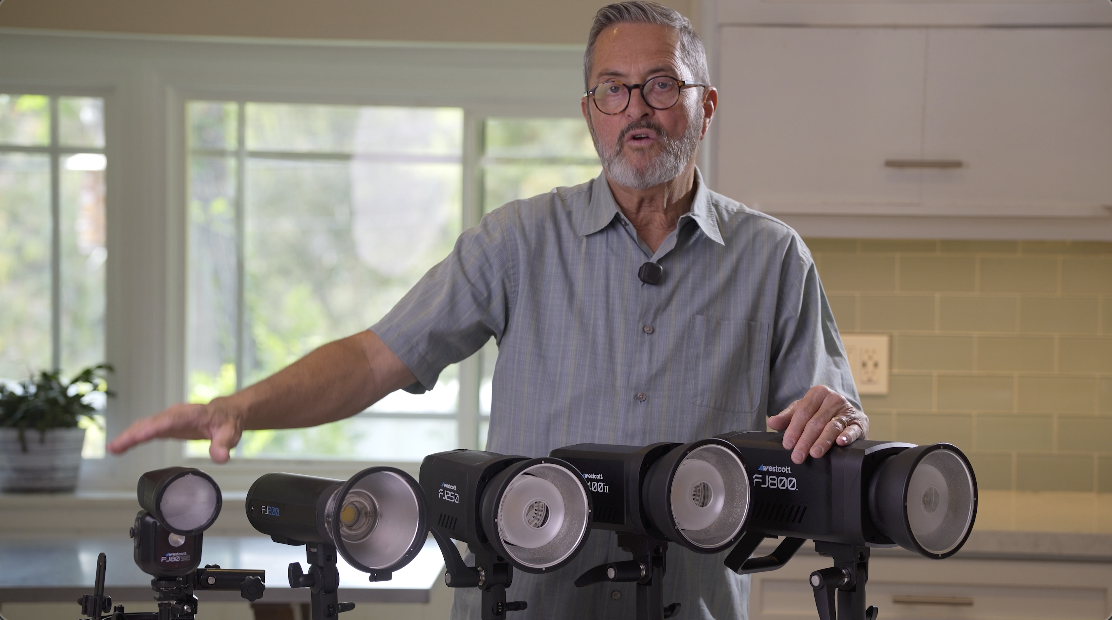
You’ve got your FJ80, you got your FJ250. I would bypass the 200 just because you’ve got a much easier light here to modify with that Bowen’s mount built into the head. It’s got a great battery which allows you to now move up to some of these other platforms in the future. And your batteries are all going to work on all the future heads that you purchase. So, that’s my first thought. There’s my first thought. 80 with a 250 becomes a kind of a very low-level way to get into doing portraits outside on location. If you can afford it, I think it’s a great combination to start with your FJ80 and then get an FJ400. Now, this becomes a perfect light out on location to be able to give you the ease of modification. It gives you great power. It’s going to start to compete with the sun better. It’s going to give you better high-speed sync. It’s going to really become a good portrait on location light for you. I think it’s a great platform at that point. You got this because you need to start there. You’ve got a 400 out on location. You can use those two together because they work on the same trigger. And then if you want to build to the next level, you can buy a second one of these. You can buy a 250, as a fill light, as a rim light, as a a background light if you’re working in the studio. So, it becomes an ecosystem that you can build and add lights to. And they each can do something and help you in the future as you add more lights. If you’re really working in the studio, you’re doing a ton of location stuff in harsh sunlight, then you’ve got to go to the FJ800. Even though it is heavy it really becomes a platform that you are going to need because it’s a professional high-end light. It gives you great recycling times. It gives you great high-speed sync. It’s going to compete with the sun. It gives you a better modeling light all the way across the board. Would I pair, would I use the FJ80 with the FJ800? Probably not. But I would use the 400 and the 800 together, absolutely. 800 is a key light through a modifier. 400 is a rim light or a background light. Two 400s and an 800 is a really great setup. Now you’re into it about $2,300 or so. So that becomes your lighting kit. But you can start out slow and build up. But that gives you an idea of what each of these will do. It really becomes a matter if you can only afford one light and you buy an 800, then that’s not going to give you the option for a lot of different kinds of work that you’re probably going to need. You’re not going to be able to have a second light as a rim light. You’re not going to have the option for multiple lights for a studio setup. You’re going to be into a single light outside with a backlight. So, I really feel like you start here and you build and go up. I love the FJ800s. I think they’re incredible. As professional photo gear, I think this is a great place to be. They actually have a huge battery you can put on the back of this which gives you multiple strobes, like number of frames you can shoot goes way up and all these batteries are going to mix and match with each other. You can change them across the platform.
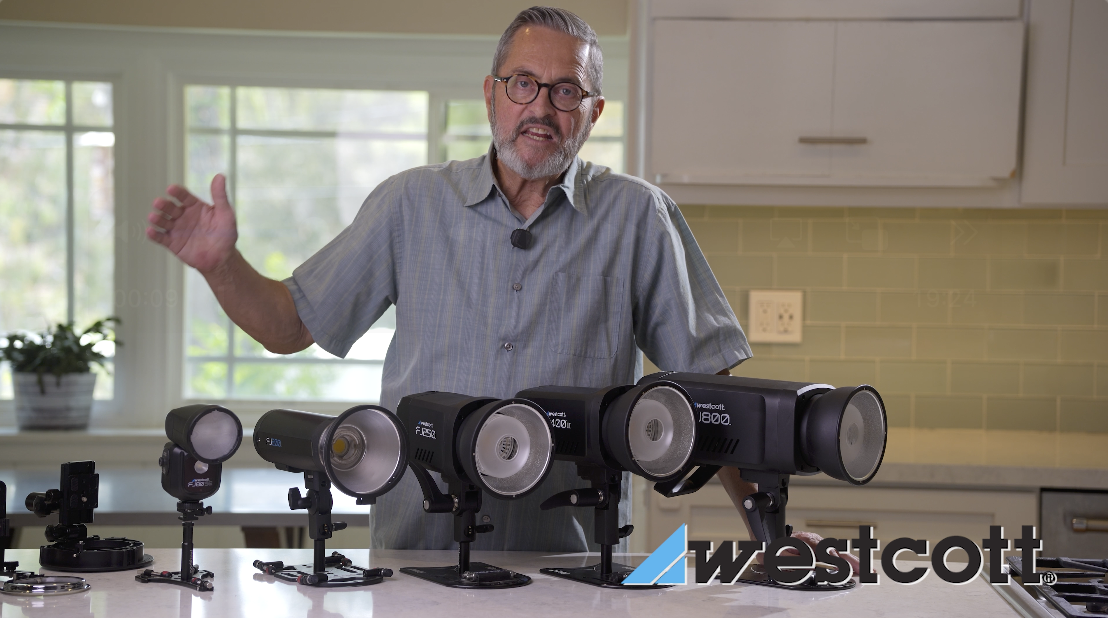
They’re all going to work together. And so when you buy a battery, it can work across all the different platforms. And I suggest if you buy one of these, you should probably buy an extra battery for most of them. You buy an FJ400, get an extra battery because now when you’re out shooting, your battery dies, you’re out of business. But an extra battery makes it work. Same with the FJ80. I just would have a hard time going out on any kind of a location shoot, any kind of a shoot where I’m going to be shooting and I know I need to cover an event or something and I don’t have a second battery. I just, it doesn’t work because the minute your battery dies, you can’t go sit in the corner while you charge things. It just doesn’t make sense. It makes it look like you’re not prepared. Makes it look like you’re not professional. So, you’re going to have to have backup. You’re going to need backup batteries for most of these. I hope this makes sense to you. You see the different watt seconds and cost of each of these different platforms and how they relate to what you do. So, hopefully you can choose what’s best for you. Keep those cameras rollin’ and keep on clickin’.