(If you want to watch the video review go to The Slanted Lens on YouTube!)
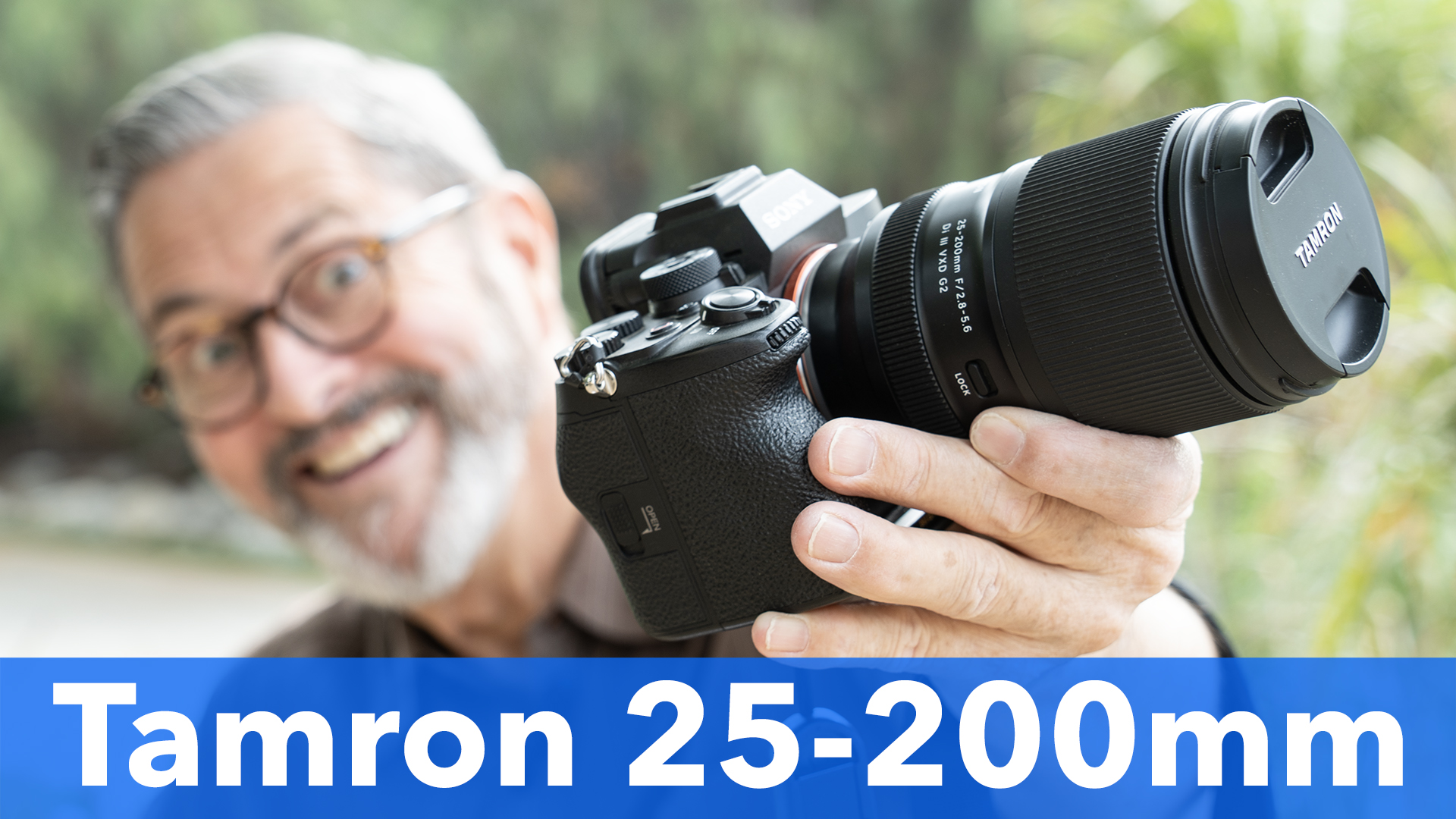
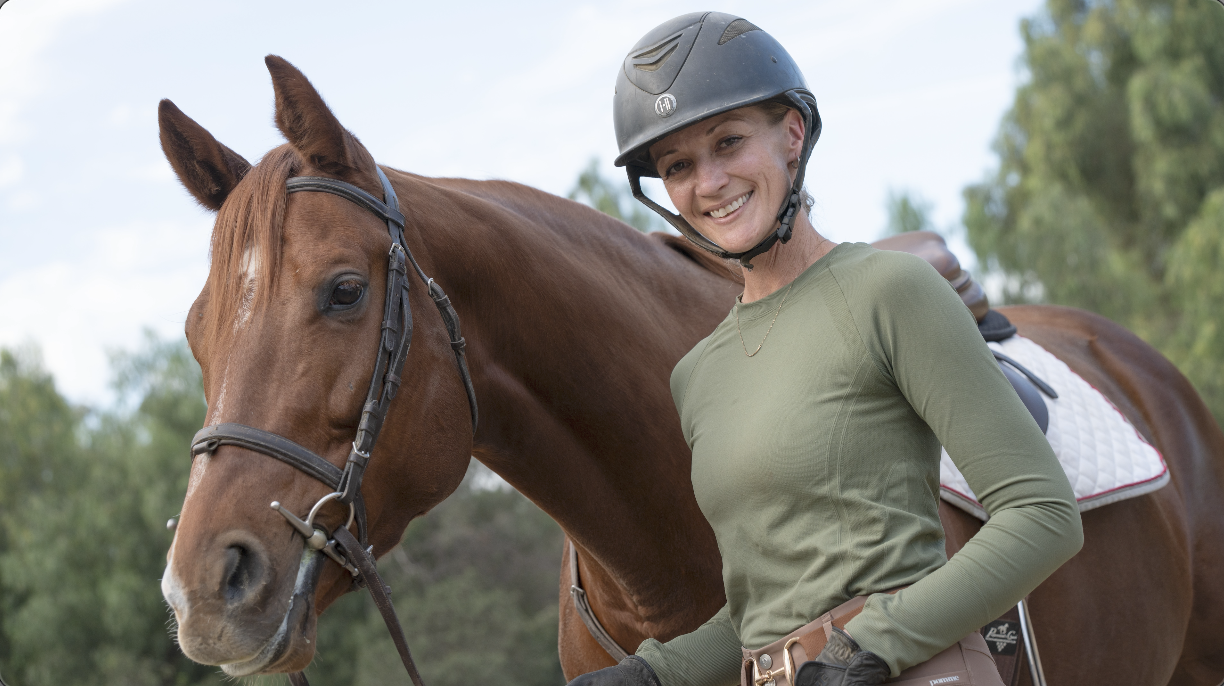
Hey, it’s Jay P here. I’ve got Boom with me today. We’re going to take some portraits of horses and horse riders, but we’re going to use an all-in-one zoom from Tamron. It’s a 25-200 millimeter. 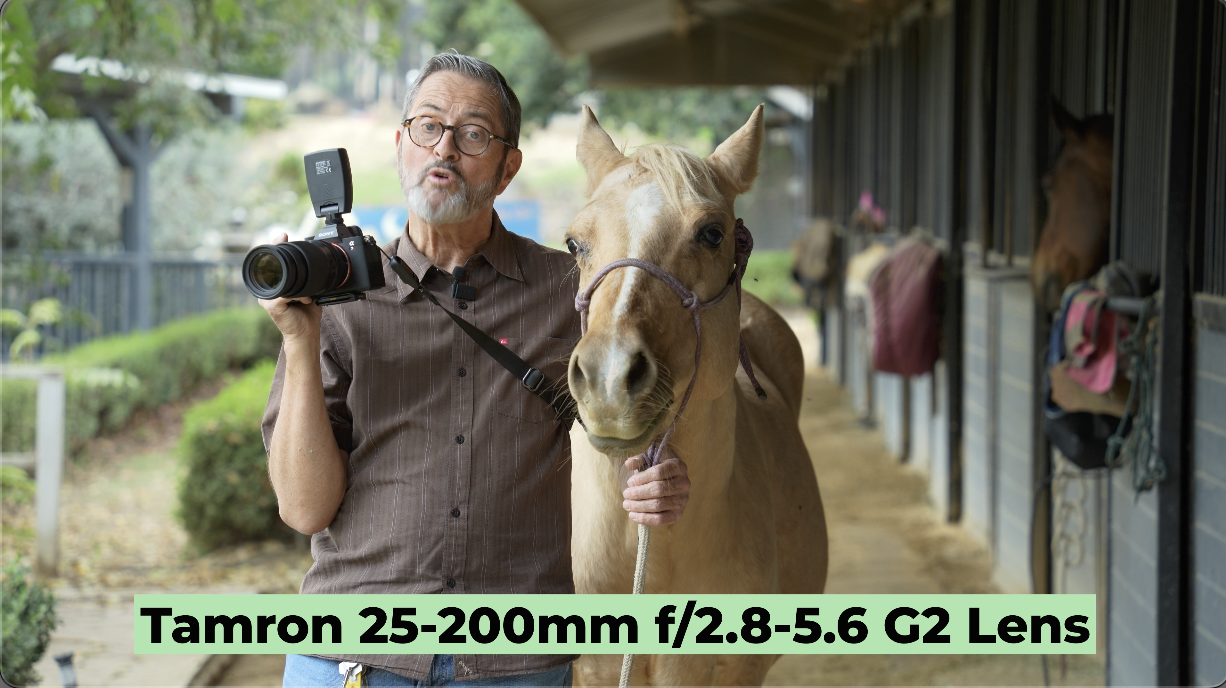 This is the G2 f/2.8-5.6. This is an incredible lens. Kind of the end of a long series of all-in-one zooms that Tamron started way back in 33 years ago. So, we’re looking at just how that has evolved. We’re going to compare this to the first version of this, the 28-200mm. But more importantly, we’re going to just see how this works.
  We’re going to do strobe shots of people. We’re going to do natural light shots. We’re going to shoot on that 25-200 millimeter lens.
 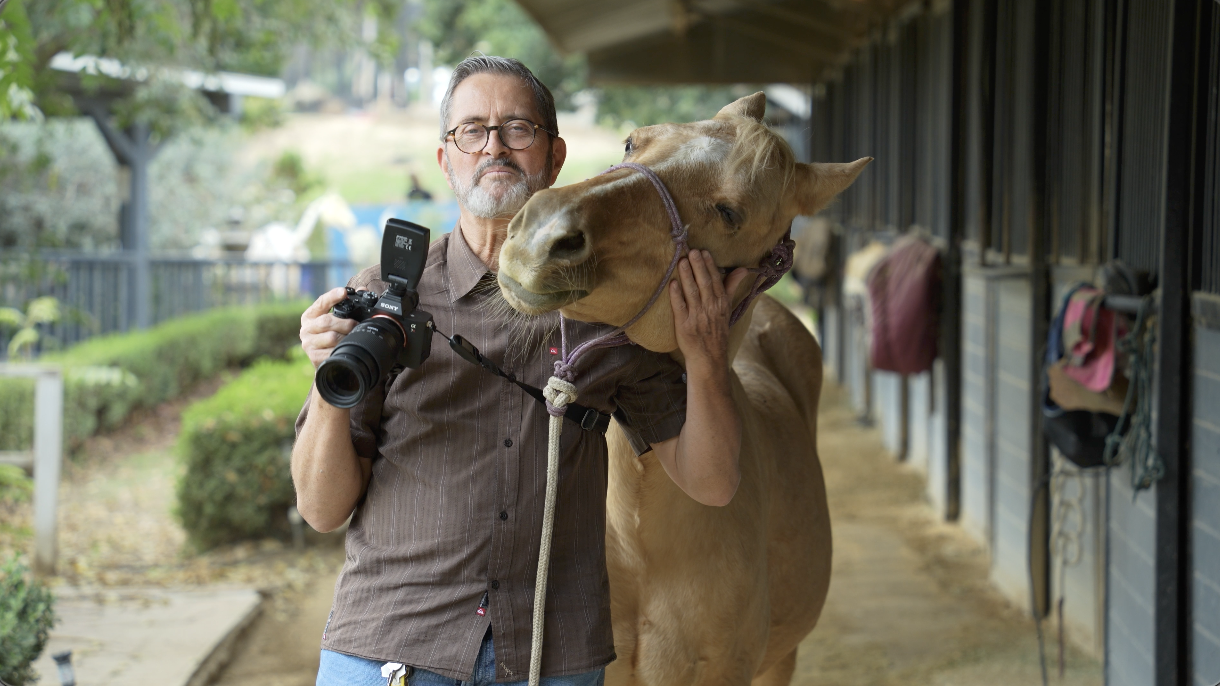 Boom here is going to help me. Are you going to help me? Boom is going to help me. Yeah. Yeah. All right. We’re going to get started. We’re going to take some pictures. I do love horses as long as I don’t have to feed them or shovel anything. So, let’s get started and see what we can do.
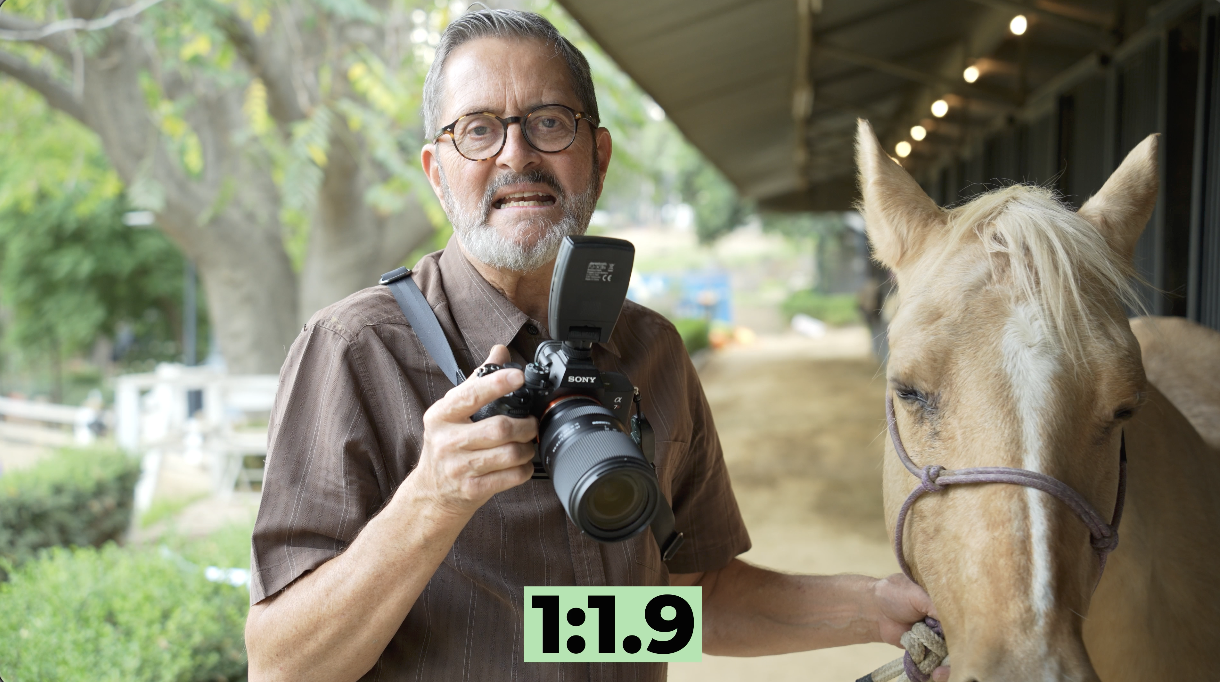
So at 25mm it has macro capabilities. It’s a 1:1.9, which is a little better than half macro, which really gives you a great rendition. 1:1 is that anything you photograph will be the same size on the sensor as it is in real life. 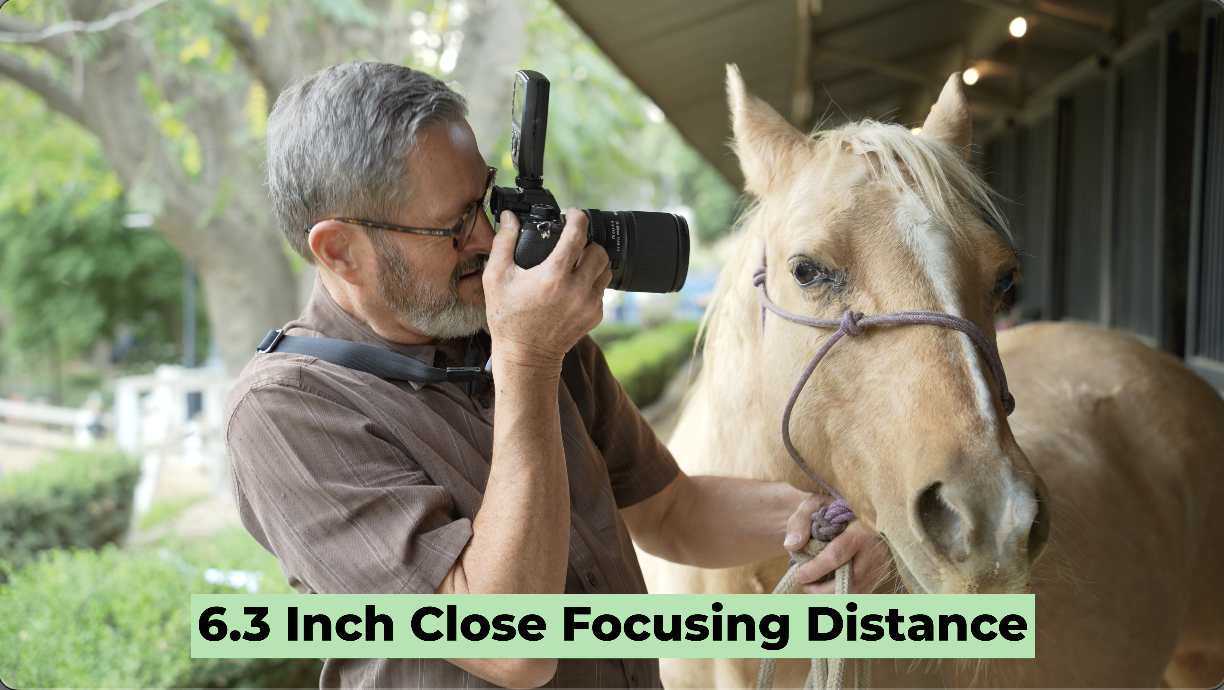 This is going to be about 50% of that, but it just gives you a great macro close-up capability in an all-in-one zoom, which is pretty amazing. So, I can focus 6.3 inches from her eye. It’s pretty incredible.
 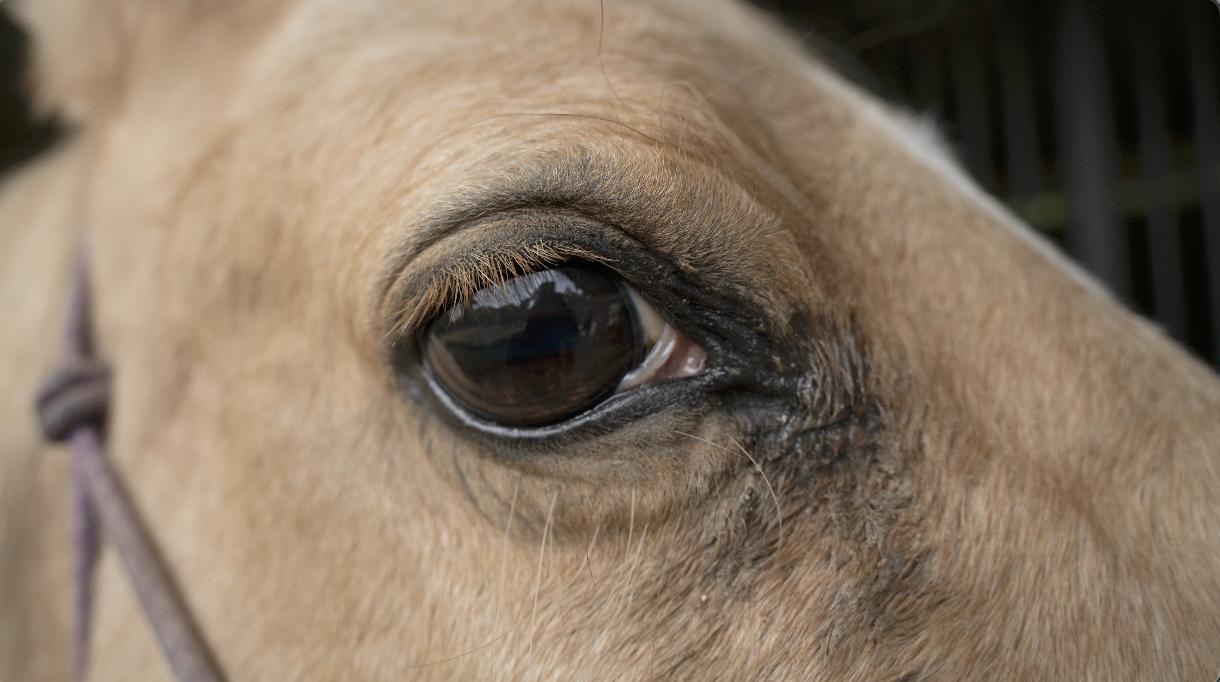 It gives you a great macro shot. So the last version of this lens was a 0.32.
 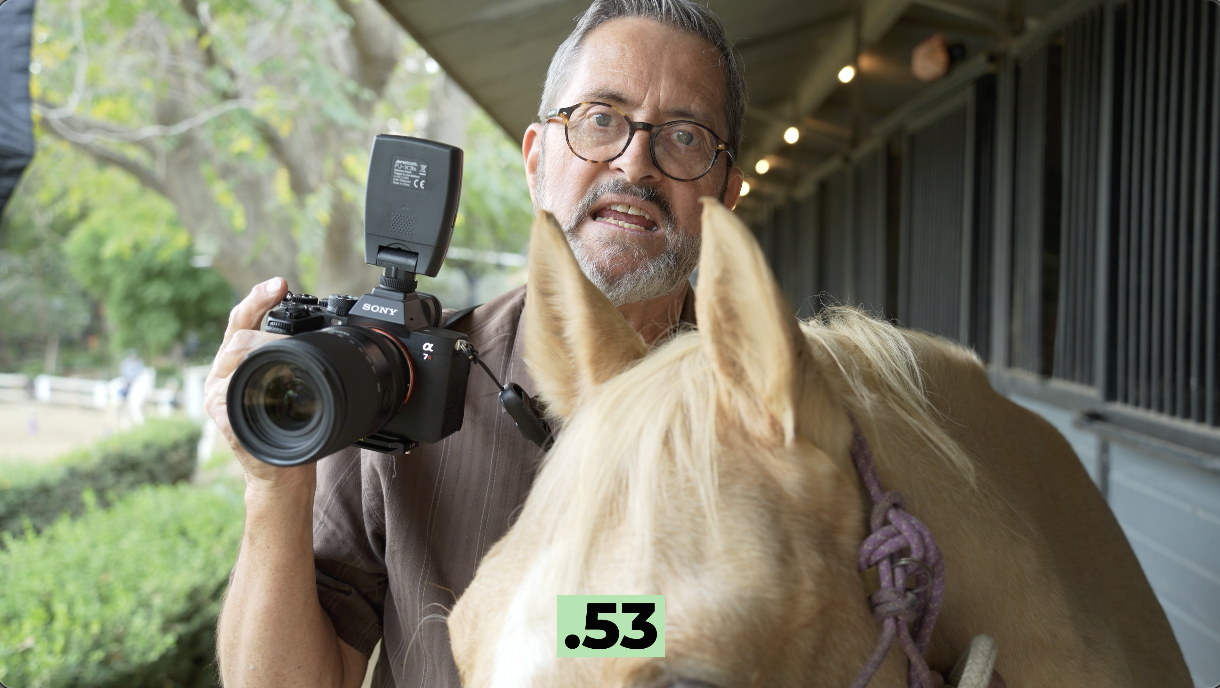 This is a 0.53. So it gets significantly closer. It gives you a better macro capability.
 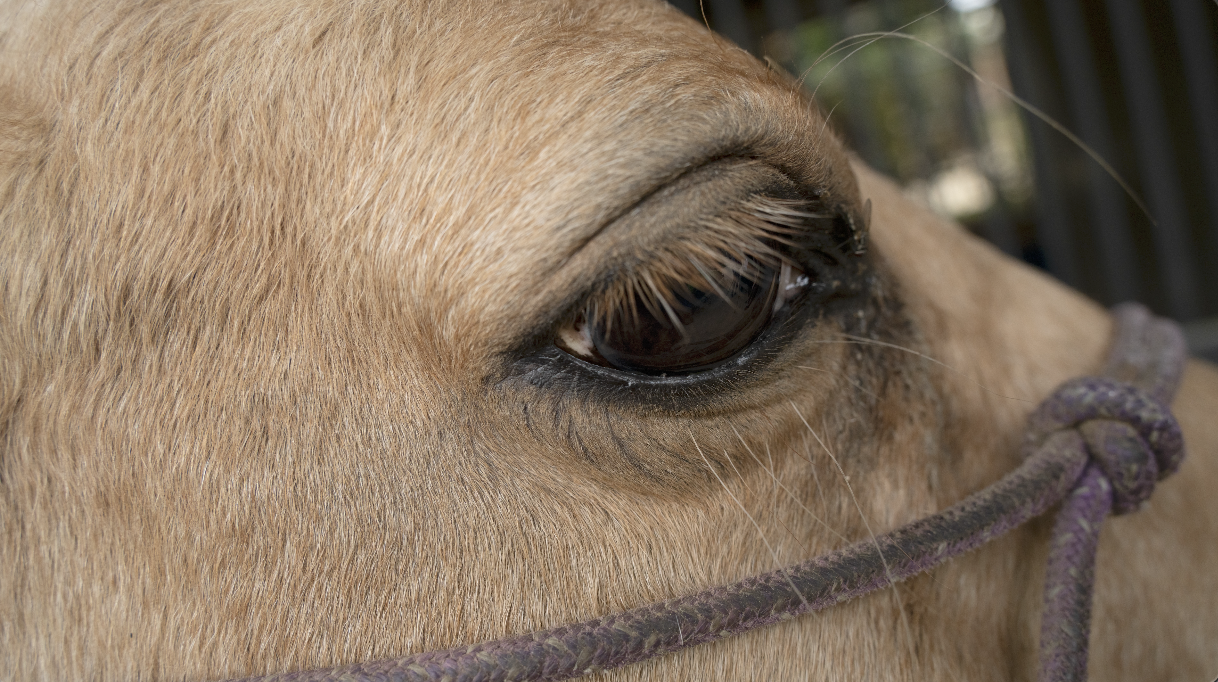 It makes this lens really useful if you’re doing anything like weddings, wedding rings, any kind of close-ups. This is really a great all-in-one zoom because of that. It’s a great addition.
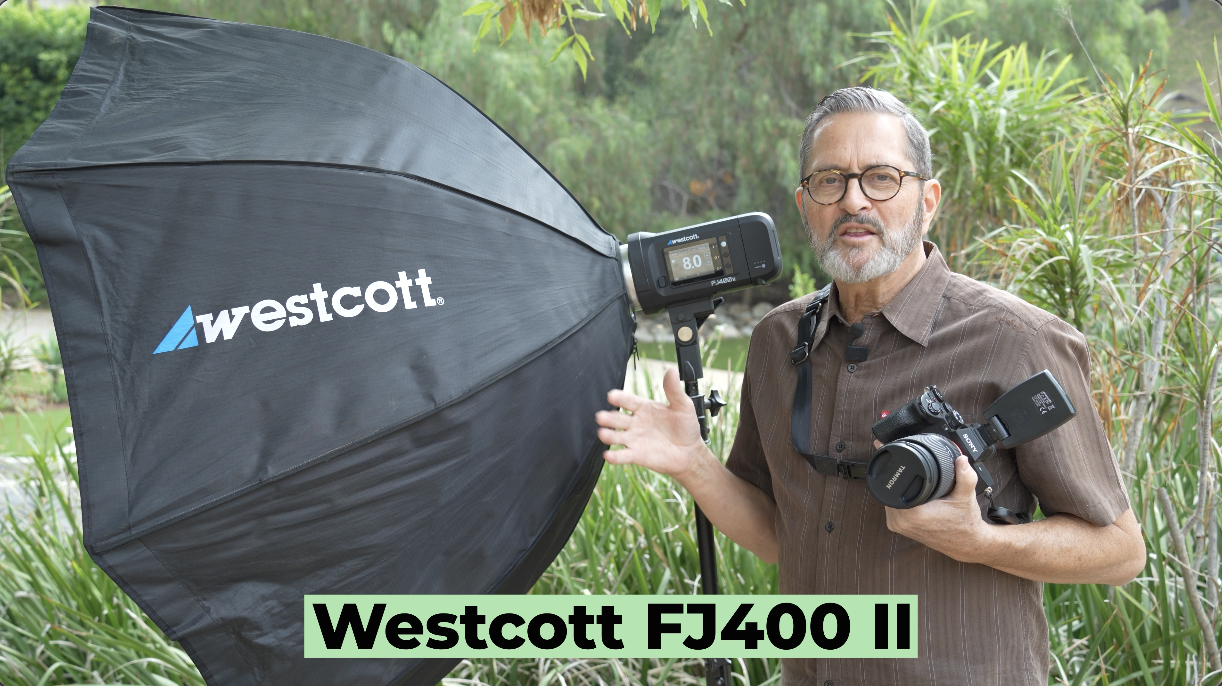
So, we’re shooting most of our portraits today with the FJ400II. The reason I love this platform is one, it has one of the fastest recycle times on the market, and I want to be able to shoot fast. 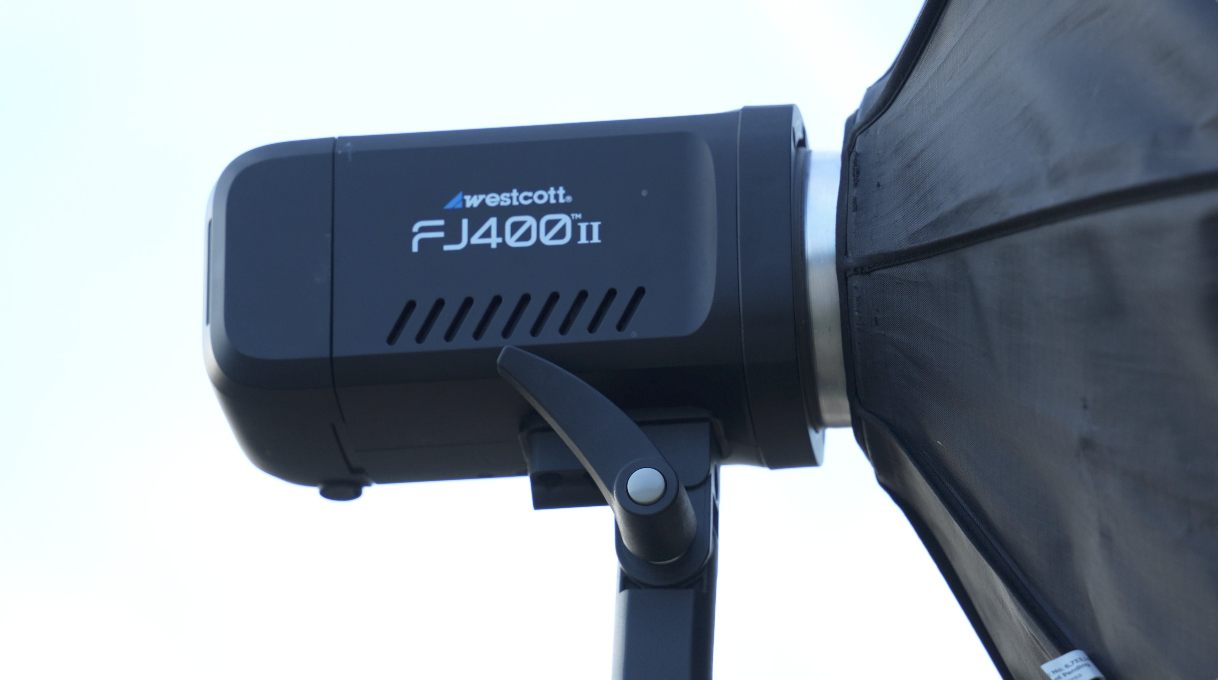 It’s got a high capacity battery. I just get a beautiful light with the Westcott round Octabox. We’re going to use that in most of the situations. Sometimes we’ll let a little natural light come in. Sometimes a little more of the strobe cleanup. I just love the look and the FJ400s have always been a go-to for us. So if you’re interested in some of this equipment, you can support our channel, click on the link. Anything from Westcott you can purchase there. And the FJ400 Mark II is a great platform. Super portable. We’re hauling it all around the ranch today. Horses try to eat it sometimes.
  Let’s take a look at a quick lighting breakdown. Here’s the image with no strobes.
 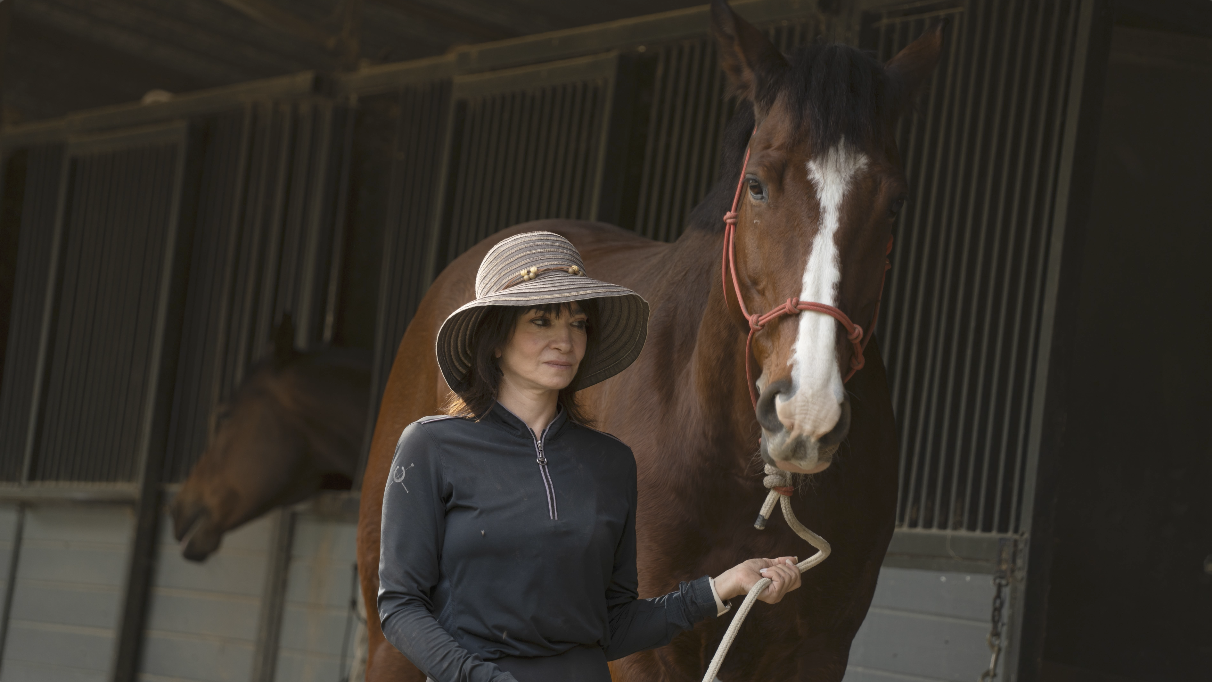 There’s the Westcott FJ400 with an Octabox as our key light.
 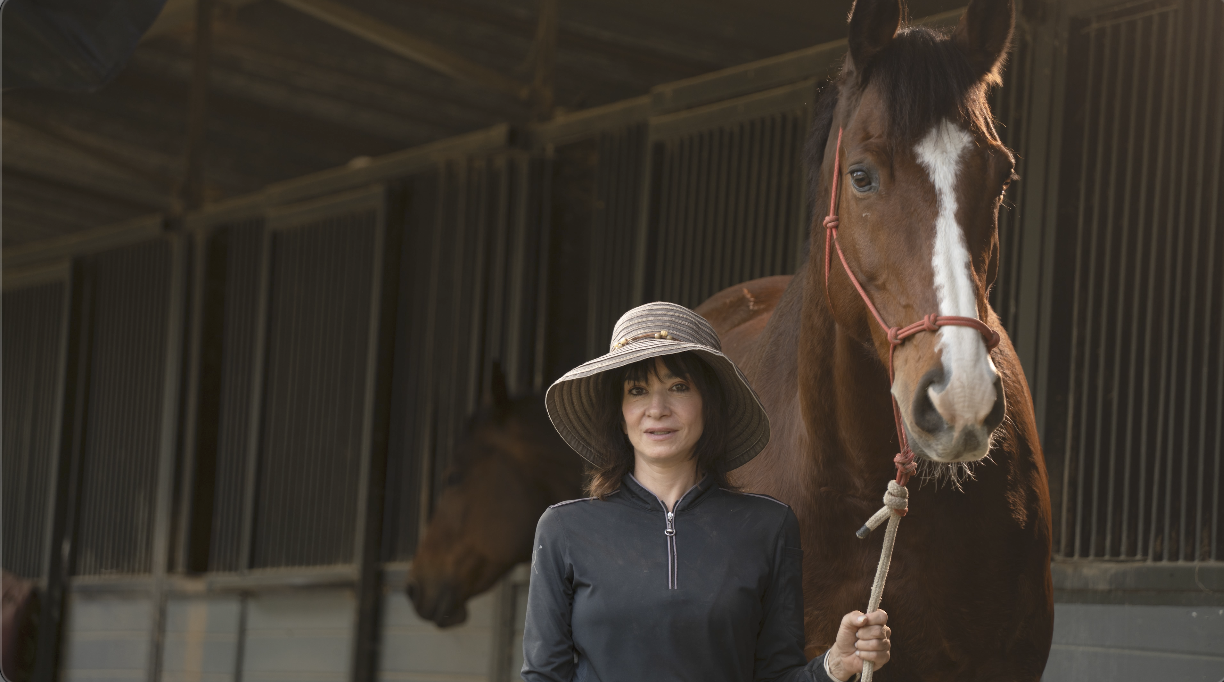 There’s a rim light. And there’s our final images. Let’s take a look at some of those images.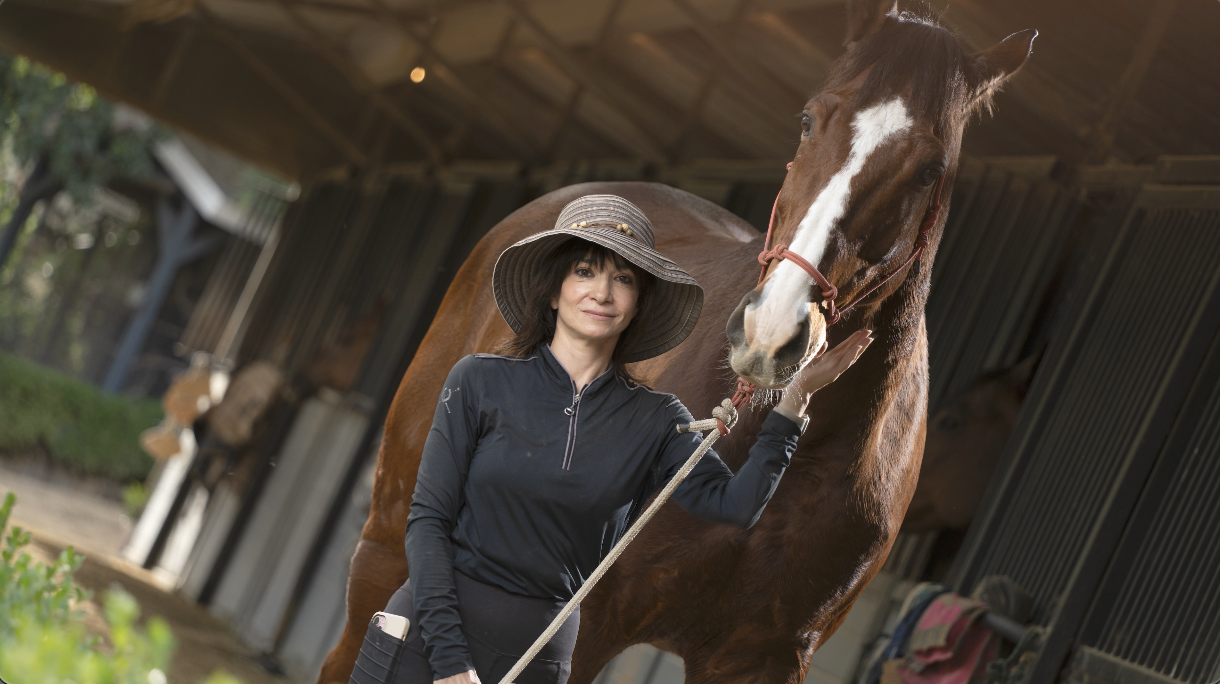
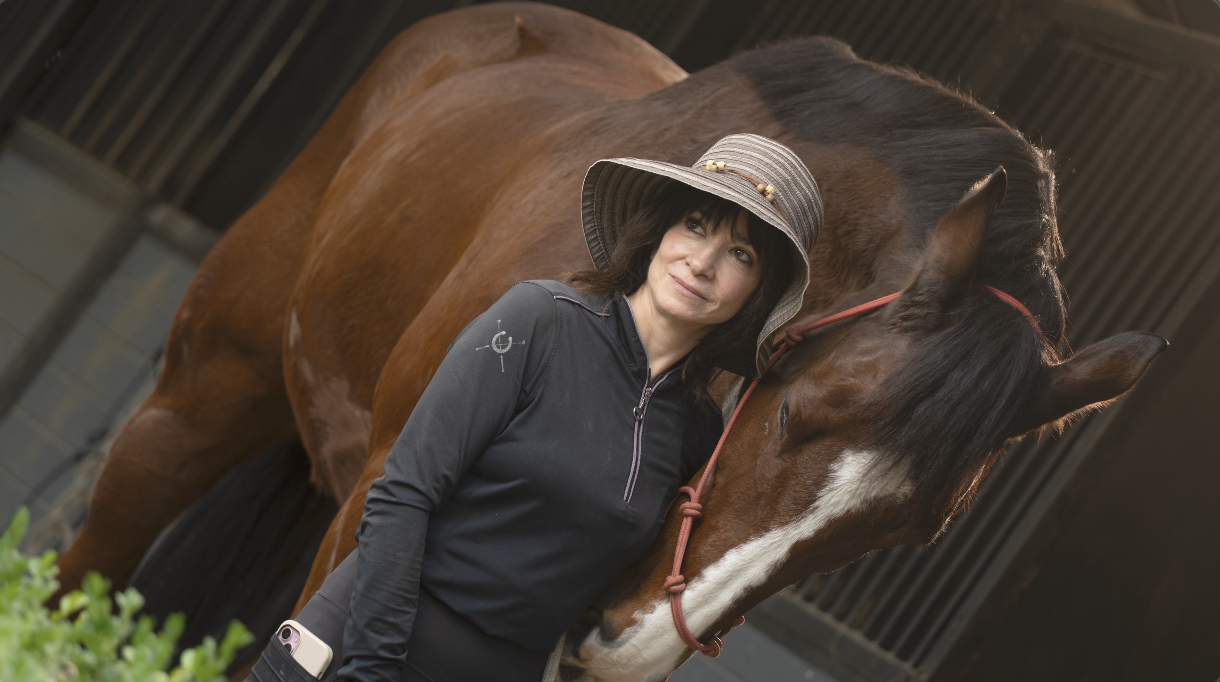
So, the VXD on these lenses has been improving drastically over the years. This is to date the fastest best autofocus motor drive that they have, the VXD. 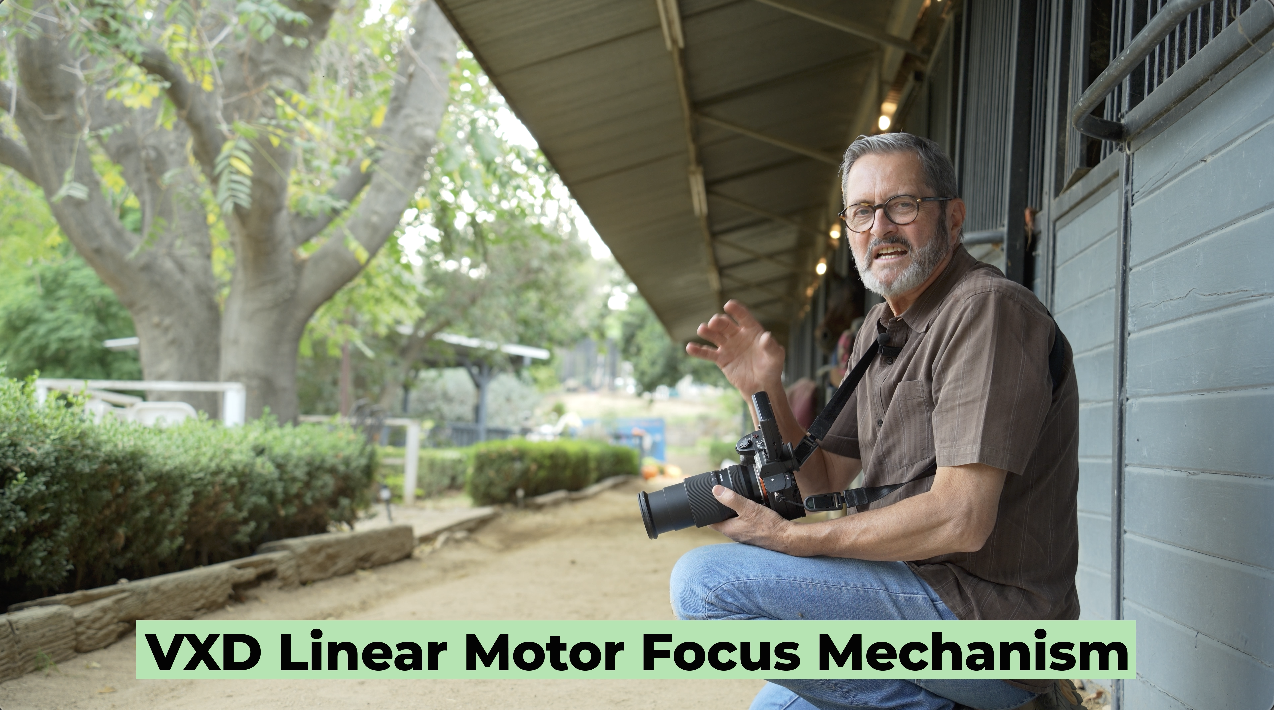 And it just, it stays with the person. I’m having no problems with focus whatsoever. I’m right on and I’m shooting fast.
 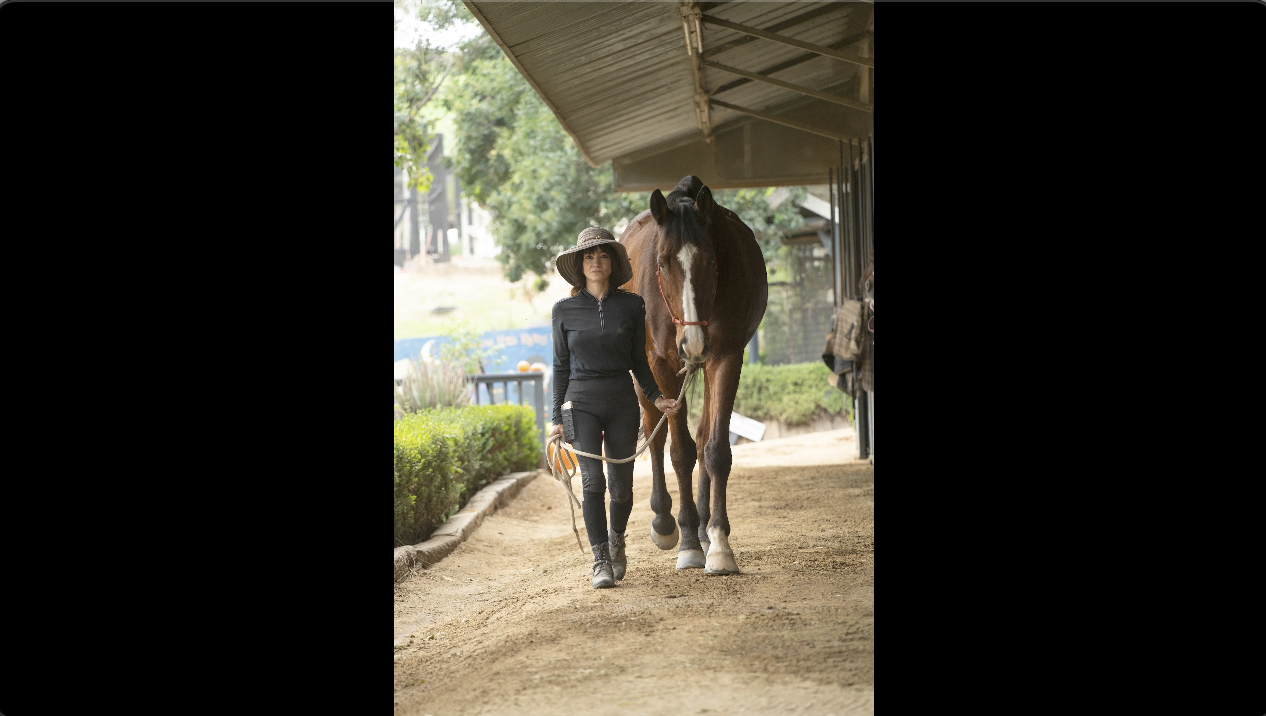 But it’s just giving me continuous frames and the autofocus stays right with the person.
 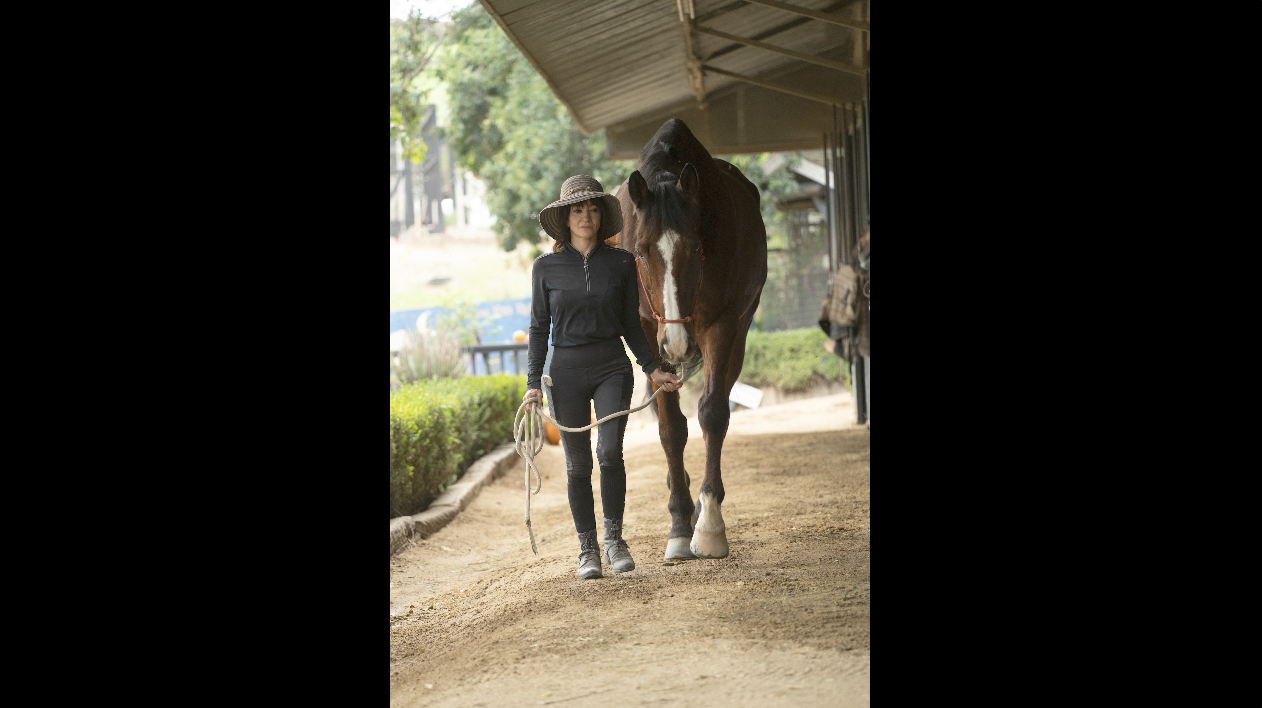 And it’s also very quiet, so I don’t hear it at all. I can use this for video just as much as I can for stills.
  So, I think it’s really, I mean, this really includes an incredible autofocus solution that is working better than probably anything that they’ve ever seen in this series.
So the 25-200mm is completely compatible with Tamron’s lens utility, which means when you connect this lens to the Tamron lens utility, you can change a lot of the different features.  You can change the function button on the side. You can change that to be able to do different functions if you want to change it from manual focus to autofocus. You can change the direction of focus on the lens. I mean those, all those capabilities come through the utility.
 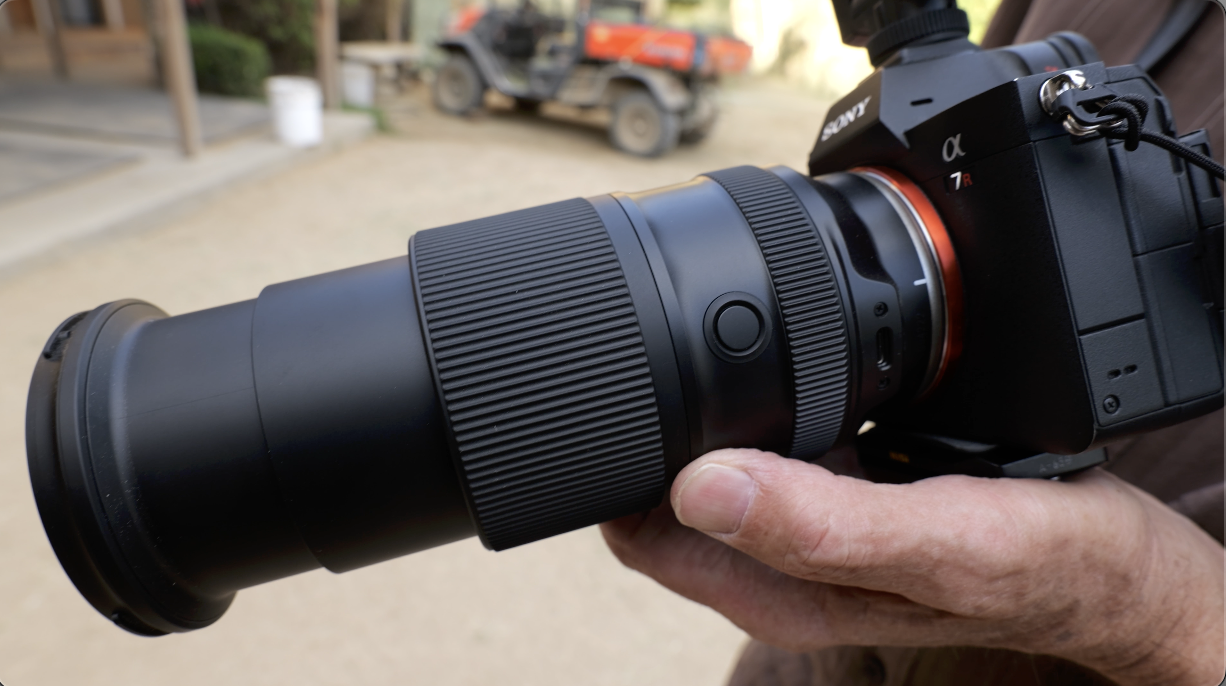 The utility can work off from a laptop or a PC, an iPad or an iPhone. All those different applications will allow you to use this. It makes it very easy to function as a video type application because you can do some things like changing the focus, changing how the focus moves.
  There’s just a lot of different applications you can use when you’re using that lens utility. So with that USB-C port, it allows you to make all those changes.
  So that’s really a nice feature on these lenses that pushes them more into a professional category really.
One of the reasons Julene and I have loved the first version of this lens is just because it is so light and compact.  It’s just been easy to travel with. We’ve traveled all around the world with it. This is nice because it’s a 25mm but still comes in a 4.8 inch length, 4.8 inches and 1.3 lbs.
 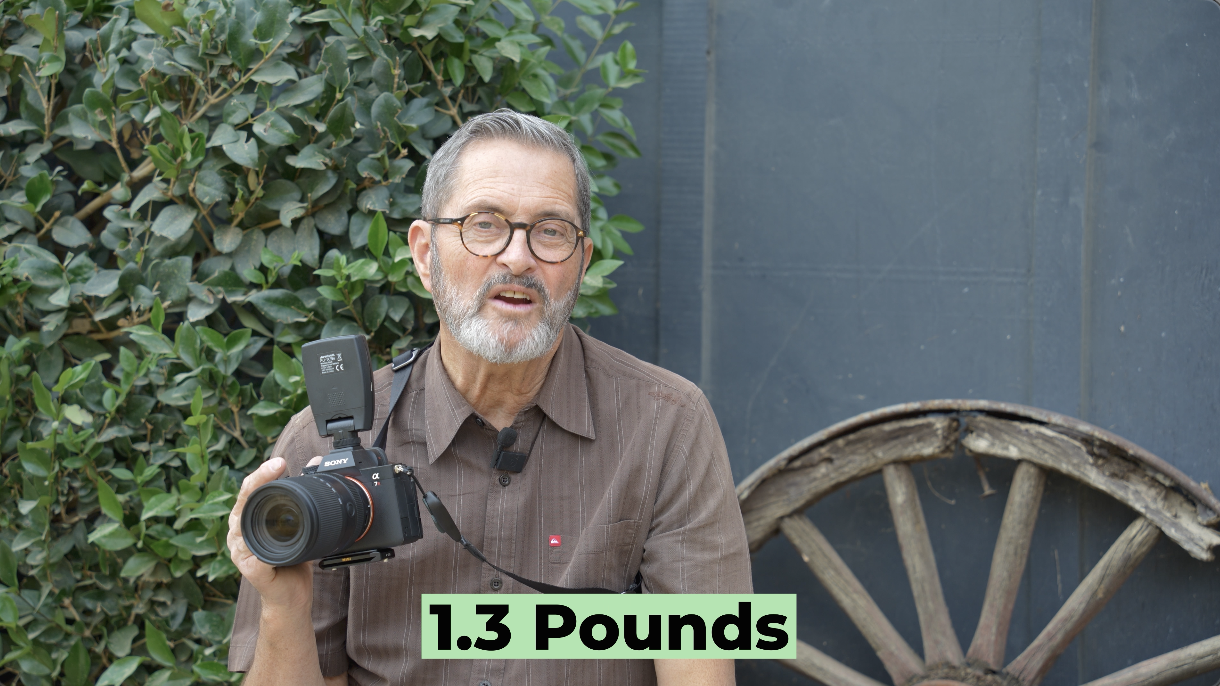 So, it’s very, very lightweight, compact, and 67 mm. Which means you can, I can use all my other filters that we have on every other Tamron lens for Sony that we own.
  So, it just falls seamlessly into that ecosystem. And we will definitely upgrade to this as we go forward, as we shoot, and as we do things with The Slanted Lens.
So, a couple thoughts about the ergonomics of this lens. 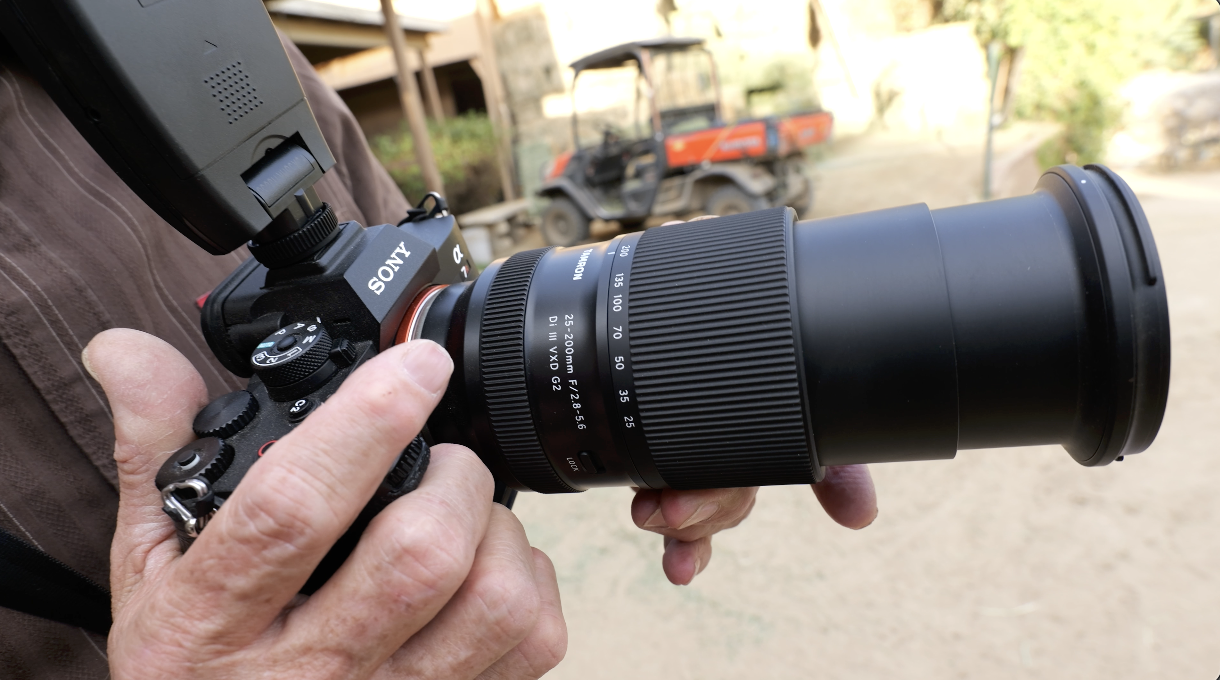 First off, I love it because the zoom is so incredibly smooth. This is smooth and it’s beautiful. It’s very easy to use and that makes it so you can do video shots where it is zooming in if you want to do a zoom shot. And that works really nice. So, this is set up with a smooth enough kind of pull to be able to make that happen.
 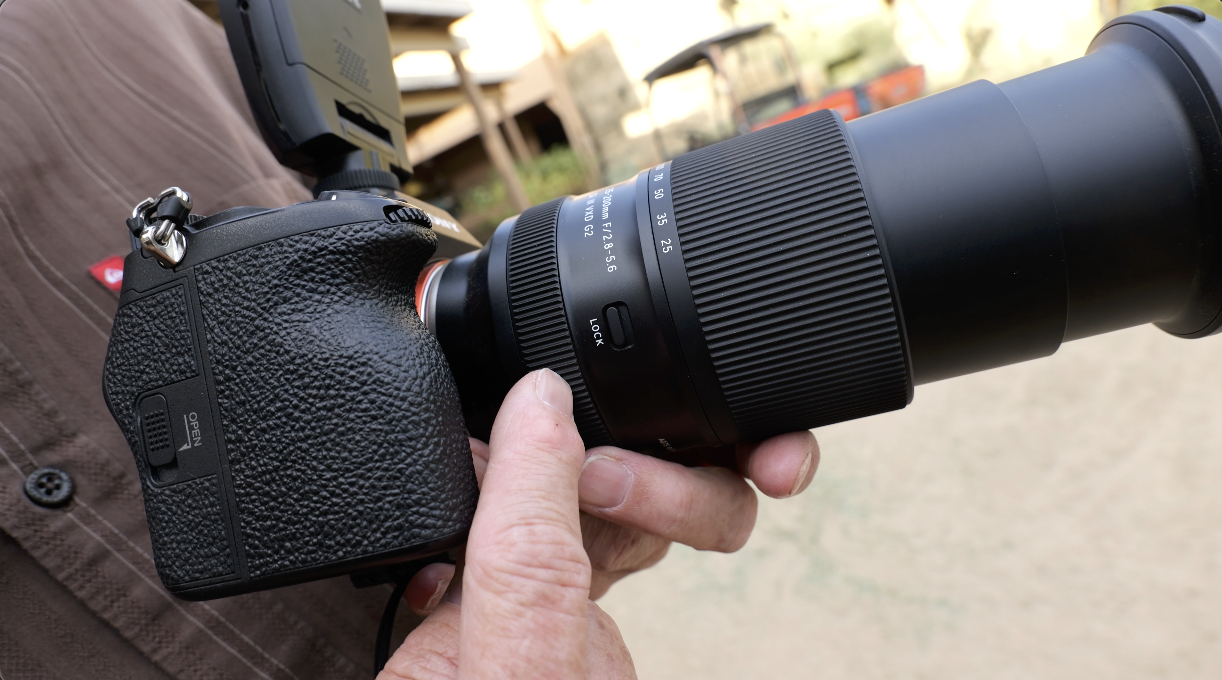 Also this is kind of a series that all of Tamron’s lenses have this and I have just become so used to it. You have these three kind of places. You’ve got your zoom. Then I know that I’m in this middle section and then I go to the focus if I’m going to manual focus. And so these are very easy to find. So when I’m shooting, I’m not having to look. I can find those three different spots on the zoom. It just makes it easy to go back and forth. And also the grip on these is deep enough that it grabs my fingers and just it holds on. I don’t have to, I don’t spin on it. It’s just a nice deep groove. So it makes it so easy for me to be able to pull that zoom or to be able to pull focus on the back.
 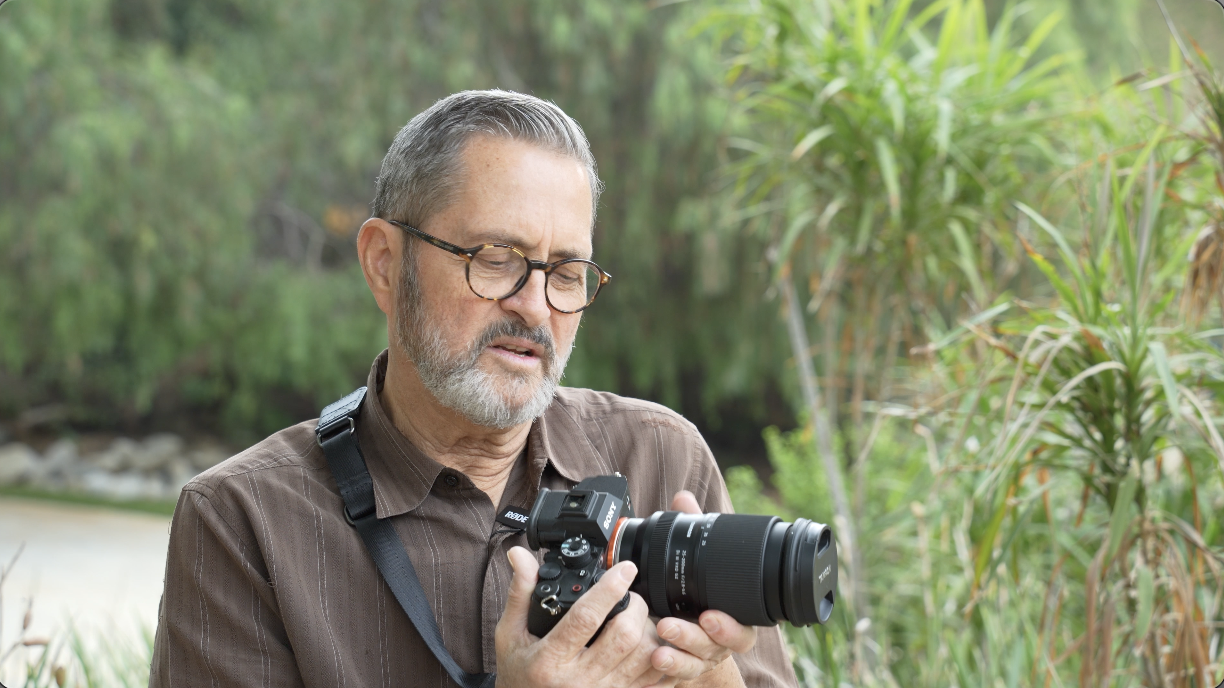 I’ll use my thumb on the back to pull focus like this. I got my fingers going. So, it just works very seamlessly. Beautiful smooth zoom, deep grooves to be able to grab a hold to be able to make the lens work. So, it’s just a very simple, easy lens to use and very intuitive when you’re using it.
So the lens has the BBAR second generation coating. It’s that anti-reflection coating. It’s going to reduce ghosting. It’s going to reduce flare.  It’s very difficult to make this lens flare. Also in camera, you’re going to get correction for distortion and any kind of chromatic aberration. So it gives you a beautiful image all the way around.
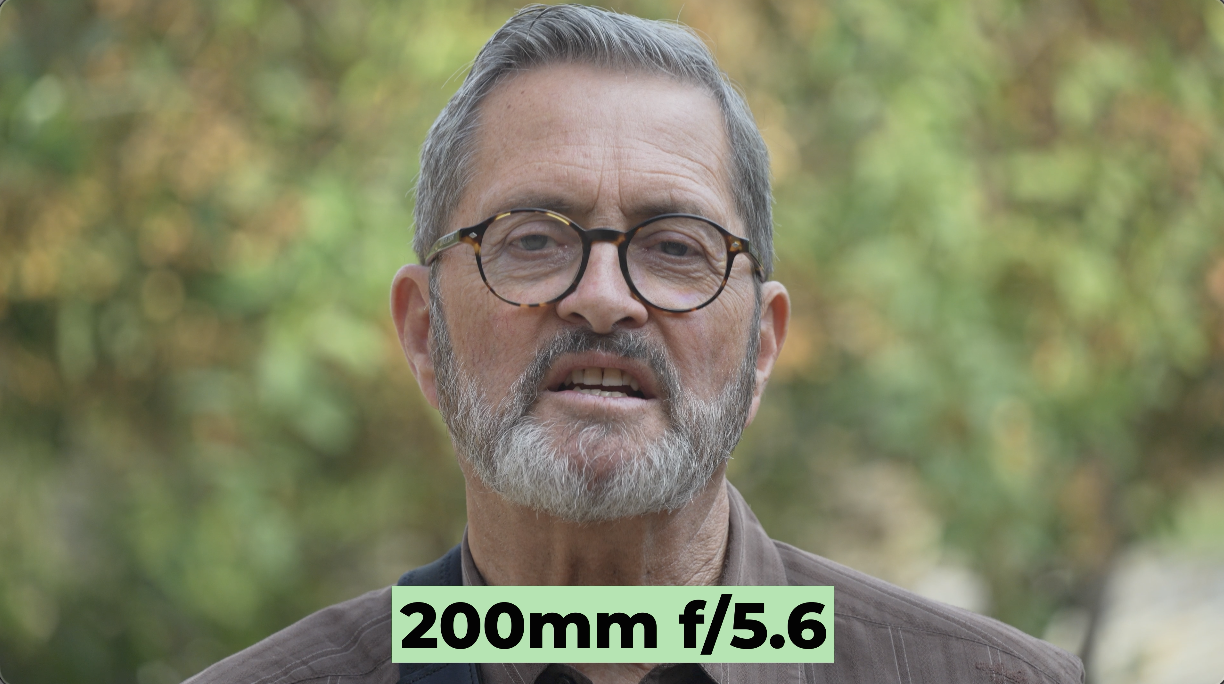
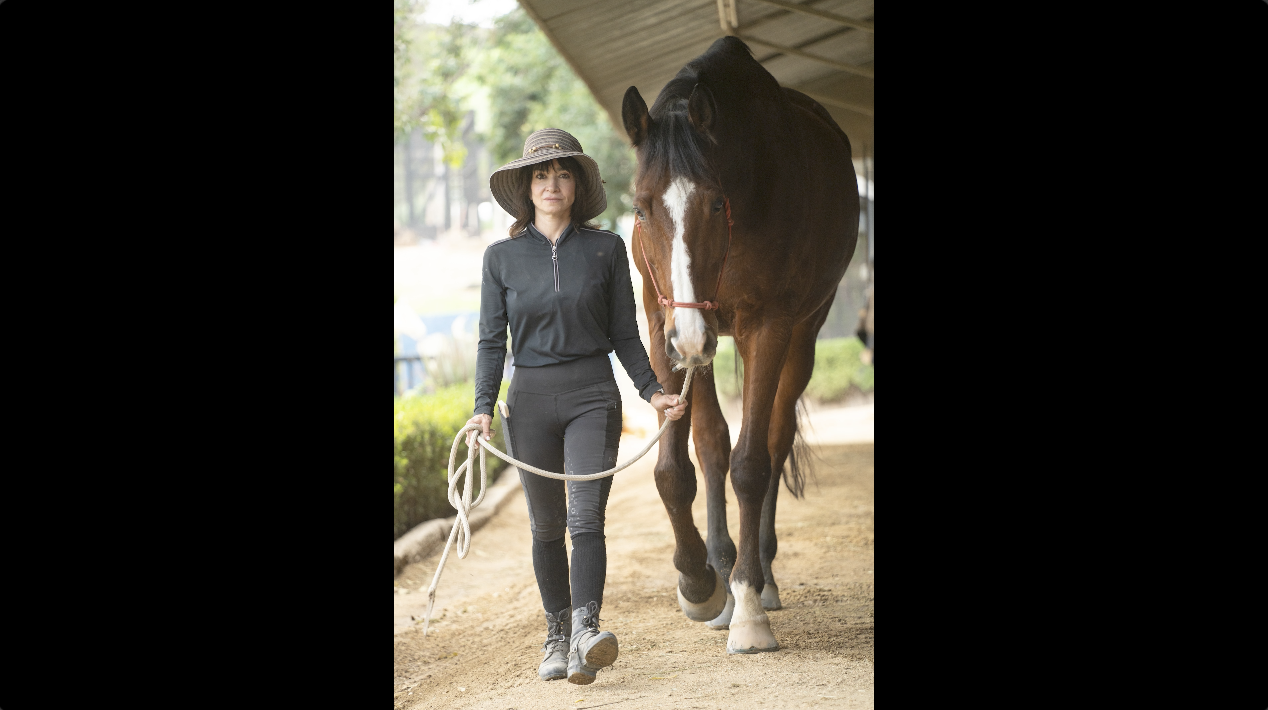
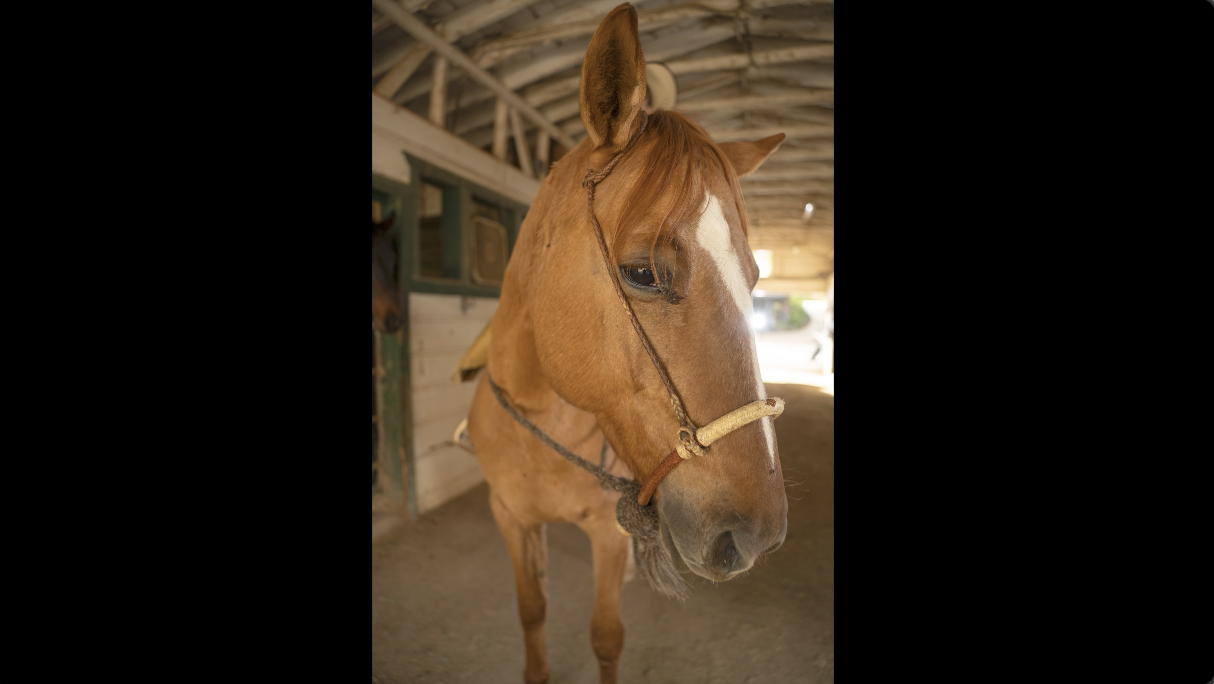
So when we put the lens on the camera, so this is the bokeh you get at 200mm at f/5.6. It’s a beautifully soft rendered bokeh in the background. 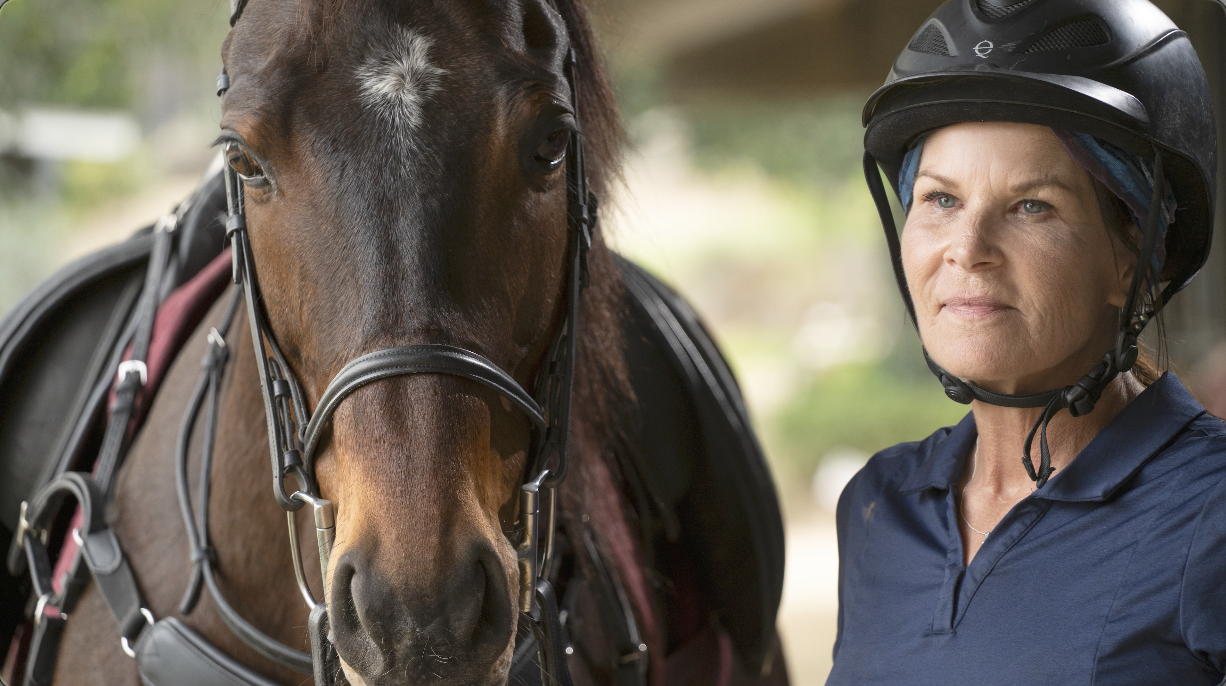 So, let’s take a look at some other images with that bokeh because it’s very pretty.
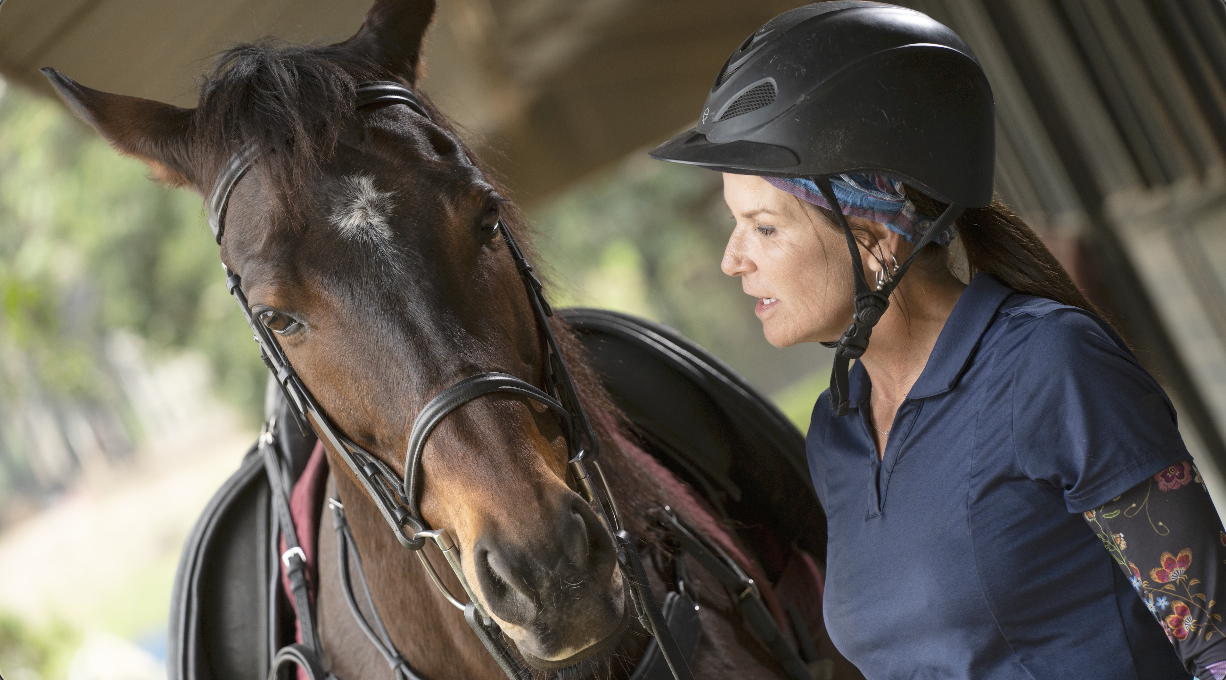
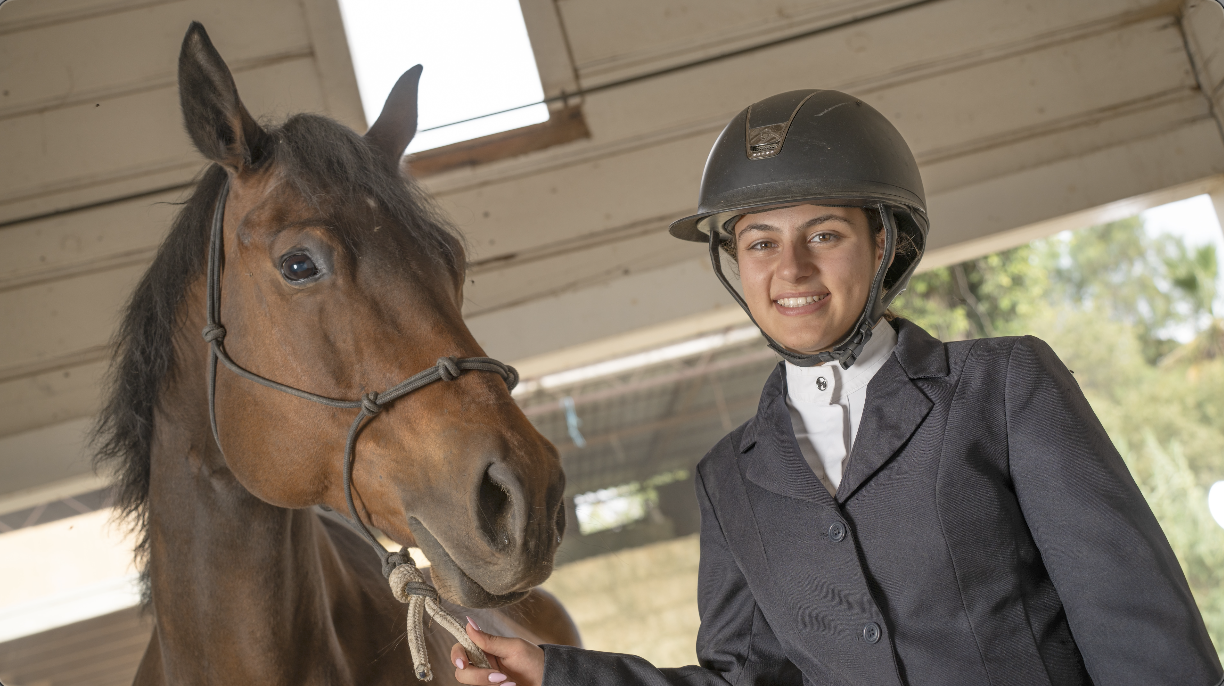
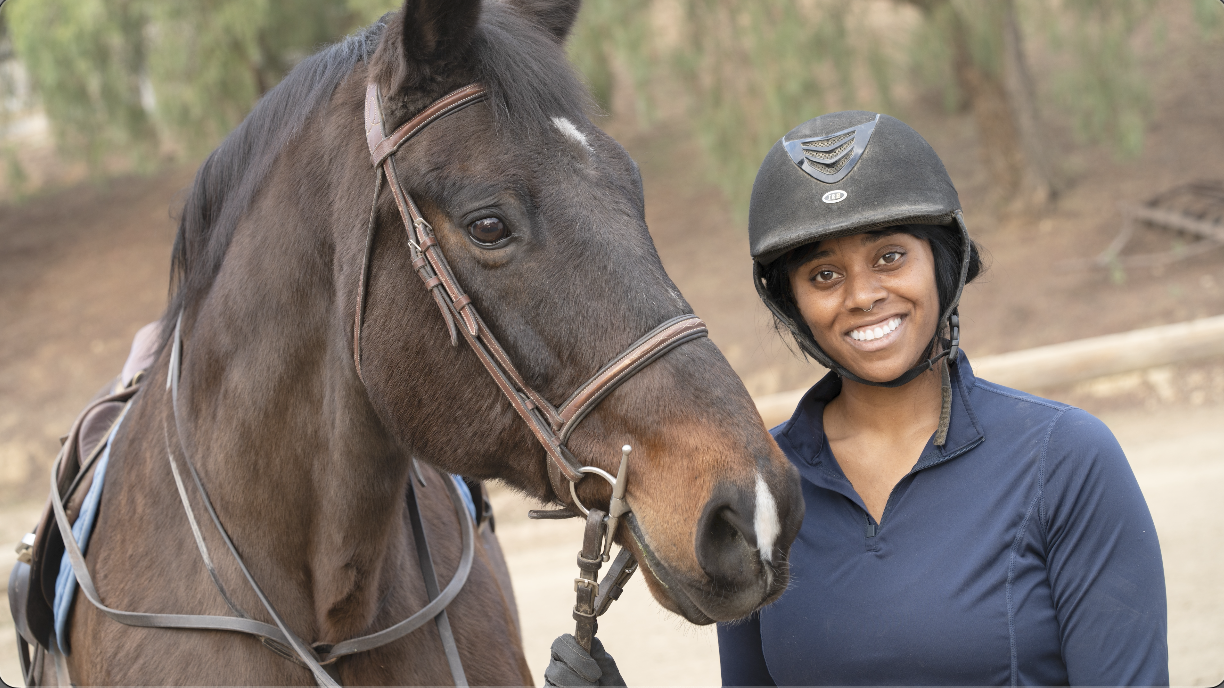
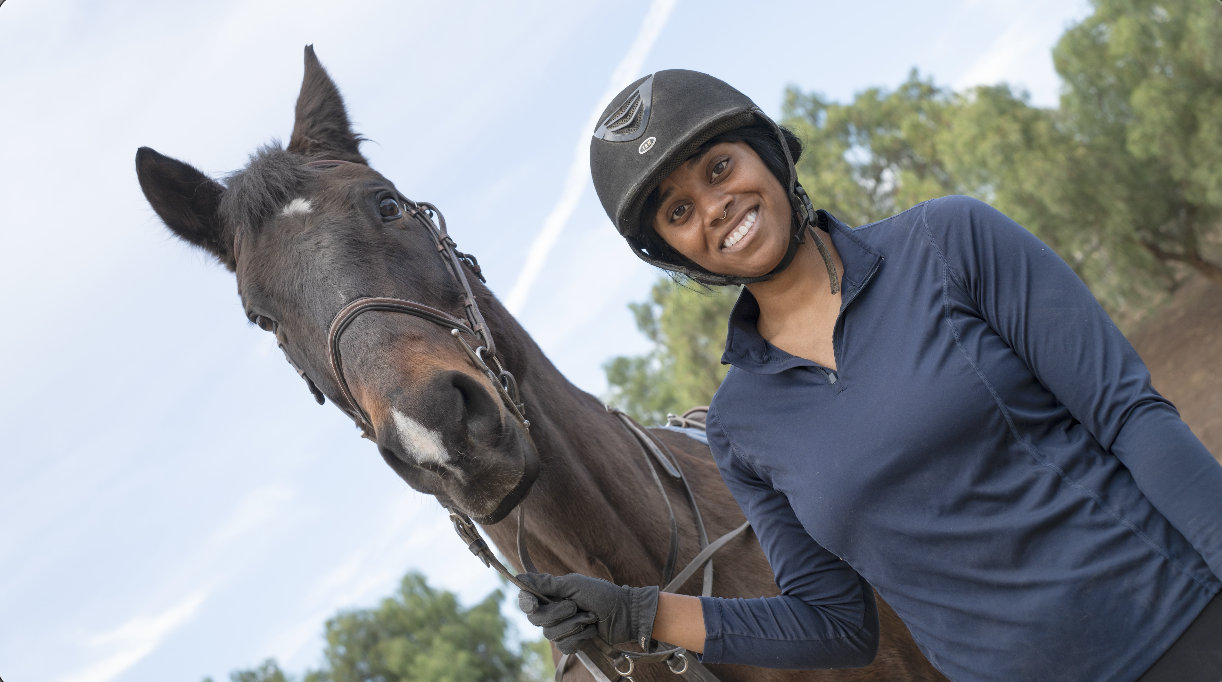
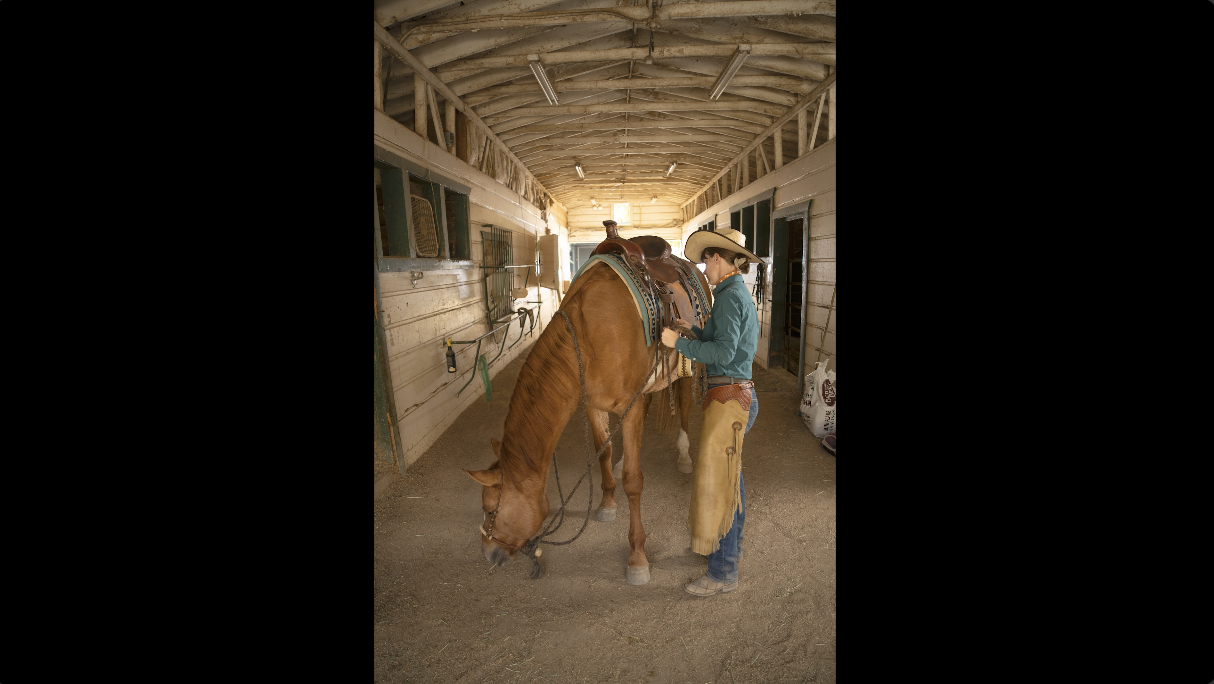
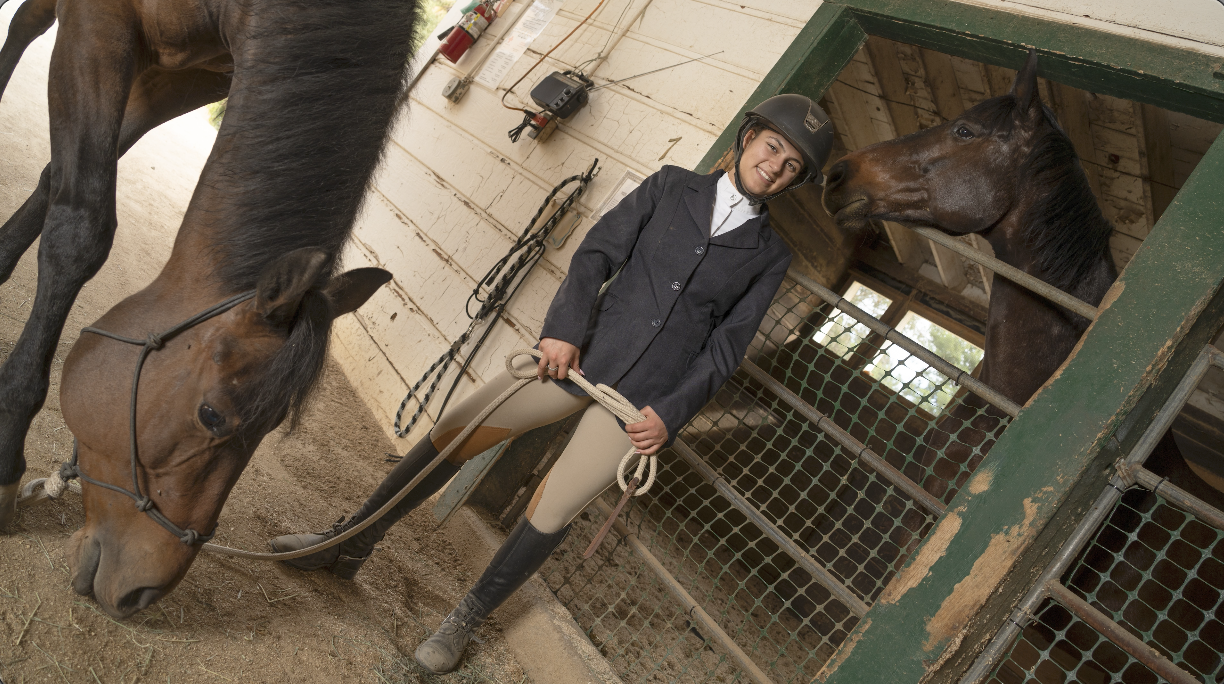
Where are we at? What are we doing? I’m at Shadow Hill Equestrian Center and this is my horse, Sakaro. And my name is Alivia. Awesome, Alivia is going to let us take some pictures of her with her horse. So, let’s get doing it. The sun’s about to go down, so let’s take a few shots and see what we got.
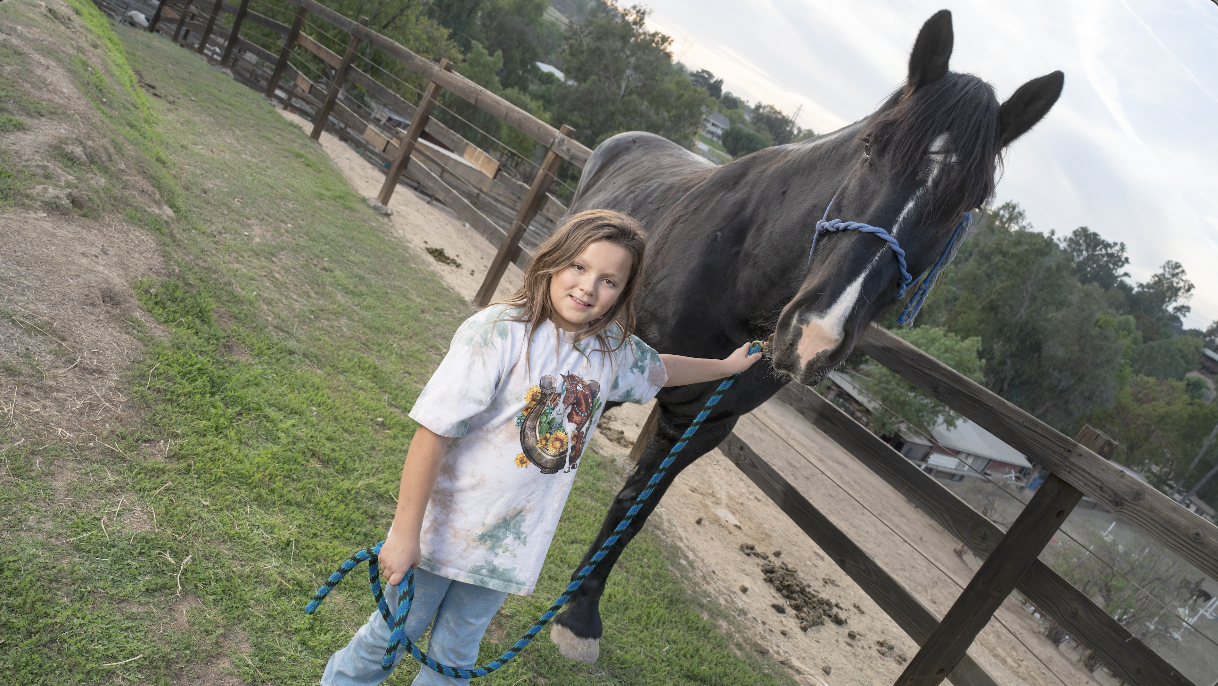
So, at the end of the day last night, we shot into sunset. So, it was a lot of fun. 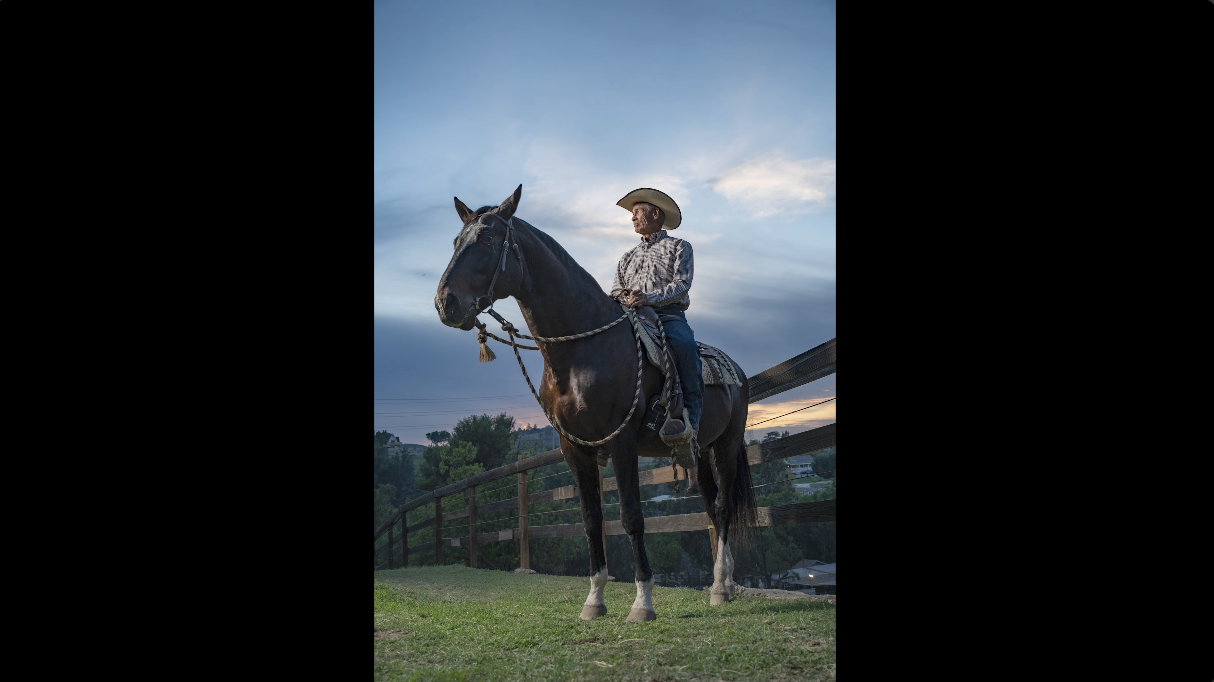 We’re using our Westcott FJ400’s. We’re getting nice light on the cowboys, getting blue skies. Didn’t get the color we’d hoped for in the sky. A lot of reds and that, but we got some beautiful images.
 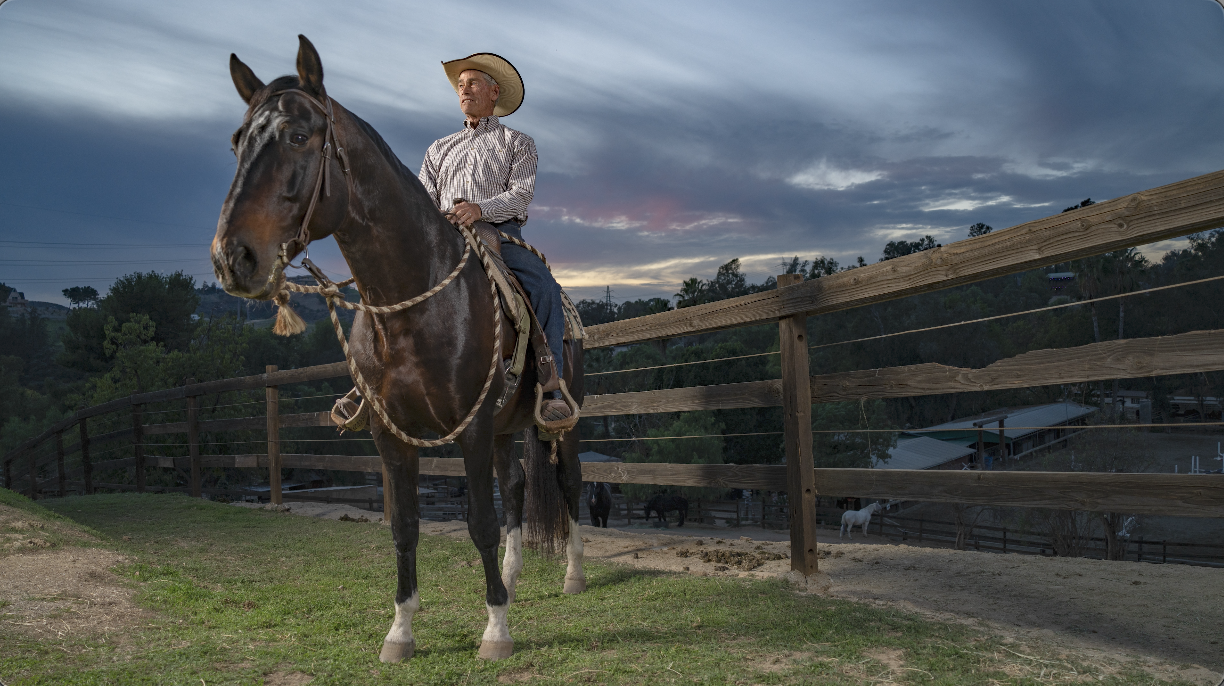 Let’s take a look at some of those. A lot of fun using strobes with that ambient light with that 25-200 millimeter lens.
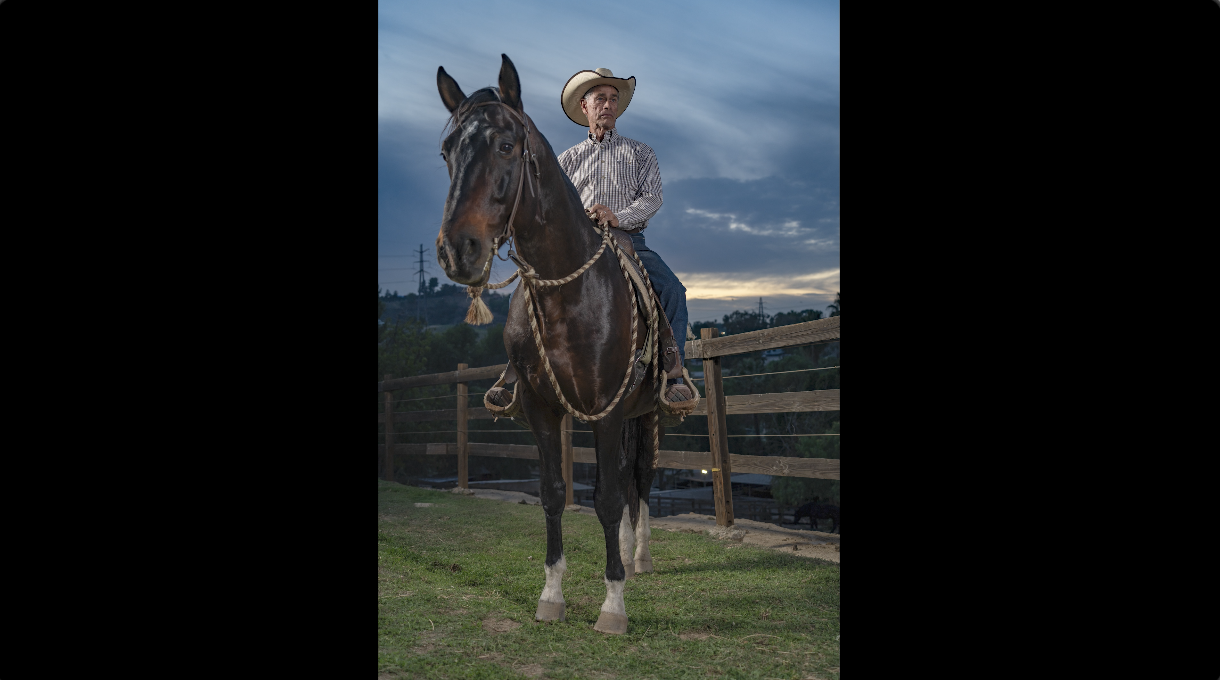
So, let’s wrap this up. This all-in-one zoom has been a progressive process for Tamron since the 90s. This really becomes kind of the peak of that entire process. They’ve gotten smaller. They’ve gotten faster. This is an f/2.8-5.6, which is really a great place to be for an all-in-one zoom. And that is the one disadvantage of an all-in-one zoom, and that is a variable aperture. And that’s sometimes a little difficult to work with, especially when you’re doing strobes. But they’ve really mitigated that because you’re looking at an f/2.8-5.6. 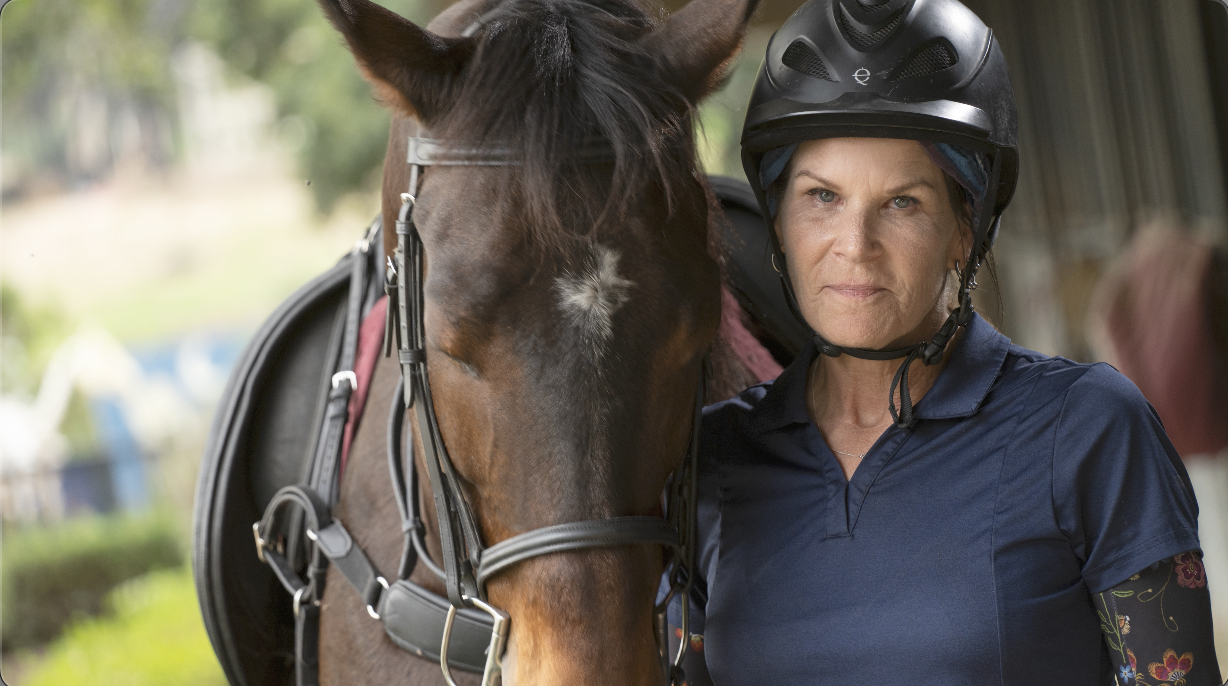 So, you get really beautiful bokeh on the long end and it’s fast on the wide end. I love this lens series because it’s just compact, lightweight, and easy for us to carry when we travel. So, a lot of times when I get bigger lenses and faster lenses and I’ve got to carry them all day long, I kind of gravitate back to a smaller really compact lens like this 25-200mm. I like the fact that it’s a little wider on the wide end.
  It just gives you a great range. It makes it great for street photography. It’s excellent for travel photography and landscapes.
  It’s a professional lens because with that USB interface, you’ll be able to customize this lens to be able to make it do exactly what you want it to. So, this becomes the pinnacle of 30 plus years of innovation that brings us to a lens that’s going to give us sharp images. It’s going to be fast. It’s really going to give us a great compact lens to carry with us when we travel.
 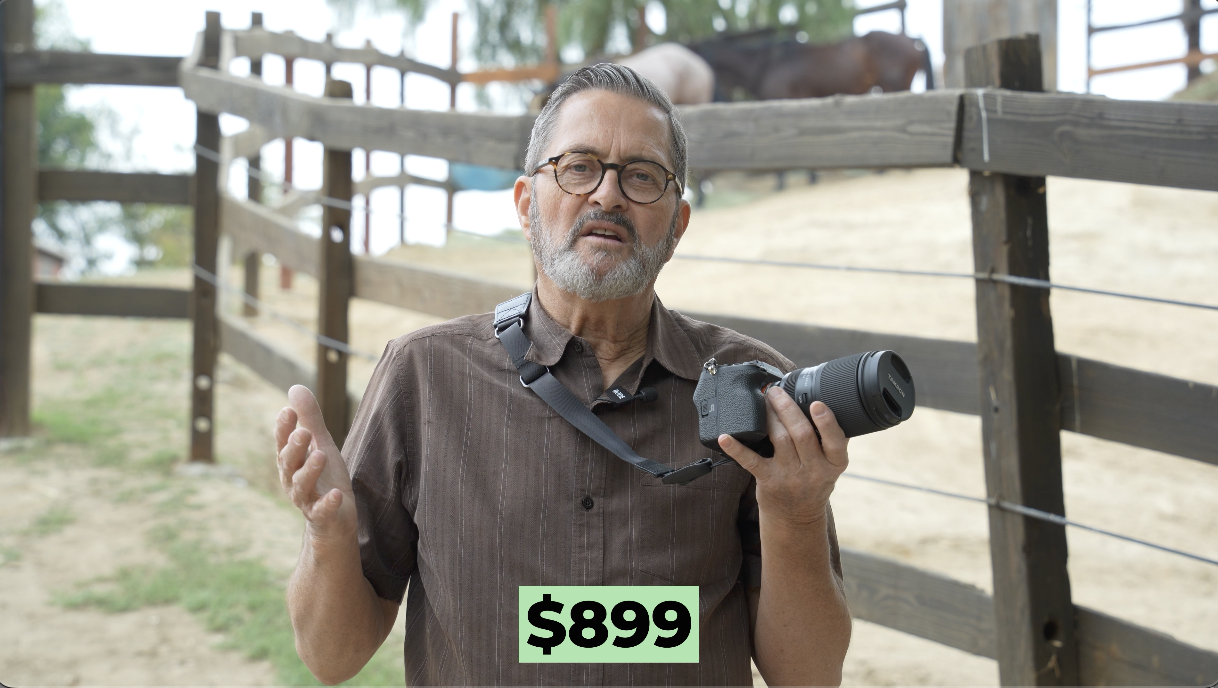 So, excellent offering from Tamron. I would take a look at it and just see exactly how it fits into your world. And all this comes in a package that’s $899, which to me makes this a very affordable, achievable lens for most people.
  And it gets you into an all-in-one zoom.
  It’s going to be useful for so many things when you travel, when you shoot, when you do sports, what have you. So, check out that 25-200 millimeter lens from Tamron. Keep those cameras rollin’ and keep on clickin’!